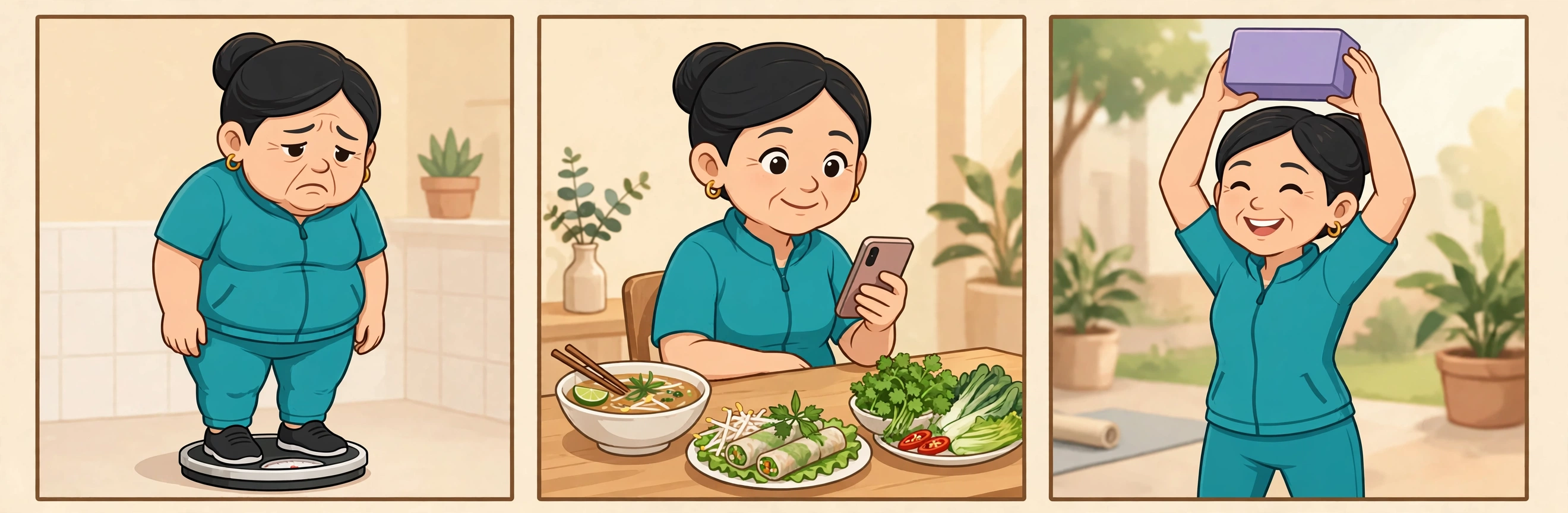
Chụp là biết, ăn là khỏe

Xin chào! Hôm nay mình ăn gì?

Tra calo món Việt quen thuộc, xếp mâm theo ngân sách của bạn và nhớ uống đủ nước — nhẹ nhàng, không kiêng khem khổ sở.

Bước 1 · Bạn là ai?

Chạm vào avatar giống bạn nhất

Mỗi avatar là một nhóm người. Chạm vào nhân vật của mình — như nói với app: “tôi là người này” — app sẽ chọn sẵn nhóm tuổi cho hồ sơ của bạn, rồi bạn đi tiếp xuống tạo tài khoản và điền thông tin ở khung điện thoại bên dưới.

Đã chọn: Trung niên 40–59 — hồ sơ mẫu bên dưới đang để sẵn đúng nhóm này.

Step 1 · Who are you?

Tap the avatar most like you

Each avatar is one group of people. Tap your character — like telling the app: “this is me” — and the app pre-selects the age group in your profile; then you continue down to create an account and fill in your details in the phone frame below.

Selected: Midlife 40–59 — the sample profile below is already set to this group.

Paso 1 · ¿Quién eres?

Toca el avatar que más se parece a ti

Cada avatar es un grupo de personas. Toca tu personaje — como decirle a la app: “esa soy yo” — y la app preselecciona el grupo de edad en tu perfil; luego continúas abajo para crear una cuenta y llenar tus datos en el marco de teléfono.

Seleccionado: Mediana edad 40–59 — el perfil de ejemplo de abajo ya está ajustado a este grupo.

Quét món thông minh

Quét món bằng ảnh

Cô Mai, linh vật Hello Calo, đang cầm điện thoại chụp món ăn

Bấm là thấy calo liền

Đang tải tổng hôm nay…
Tổng mâm mẫu≈ 410 kcal

Phương pháp ăn kiêng

Tìm món trong kho

18 món nhà làm đã có thẻ calo. Tìm theo tên Việt hoặc Anh, lọc theo mức calo.

Mâm của tôi

Thêm món từ kho, chỉnh số phần — tổng calo và muối tính liền cho bạn.

Tổng calo
0 / 1.400 kcal
Tổng natri (món đã biết)
0 / 1.500 mg

Uống nước hôm nay

Mục tiêu theo cân nặng: khoảng 30–35 ml nước cho mỗi kg cơ thể.

0 ml/ 2.000 ml · 0%

Pop-up hiện ngay trong trang này khi bạn bật nhắc ở trên — không cần số điện thoại. Thông báo đẩy khi bạn không mở app sẽ có khi app được phát hành chính thức.

Ăn đủ 5 màu

Mỗi màu rau củ mang một nhóm chất tốt riêng — ăn đủ màu là ăn đủ chất. Chạm vào một loại rau để xem calo của nó ngay.

Thực đơn mẫu 1 ngày ≈ 1.400 kcal

Ghép từ chính các món trong kho. Bấm “Thêm cả buổi” để đưa vào Mâm của tôi.

Tổng cả ngày ≈ 1.418 kcal — gần mức 1.400 kcal.

Kho món ăn

Số liệu theo thẻ công thức nhà làm, tính trên 1 phần ăn. Chạm “Chi tiết” để xem cách ăn nhẹ hơn.

💧 Uống nước đúng cách

  • Nhu cầu tham khảo: 30–35 ml × cân nặng (kg). Ví dụ 65 kg → khoảng 2.000–2.300 ml/ngày.
  • Uống từng ly nhỏ, rải đều trong ngày — đừng dồn một lúc.
  • Ly quen thuộc ở nhà: 350 ml. Khoảng 6 ly là gần đủ mục tiêu 2.000 ml.
  • Nước lọc là chính; trà loãng không đường cũng tính được.

🩺 Bệnh thầm lặng — hiểu để phòng

  • Huyết áp cao, đường huyết cao và mỡ máu thường không có triệu chứng rõ — khám định kỳ là cách phát hiện sớm.
  • Muối ẩn nằm nhiều trong nước dùng, nước chấm và đồ chế biến sẵn — ăn cái, chừa nước là mẹo đơn giản mà hiệu quả.
  • Theo dõi cân nặng mỗi tuần: tăng chậm 0,5 kg/năm cũng thành 5 kg sau 10 năm.
  • Có dấu hiệu bất thường kéo dài, hãy gặp bác sĩ — app chỉ đồng hành, không thay khám bệnh.

🍚 Ăn theo tuổi

  • 40–50 tuổi: giữ đạm đủ để bảo vệ cơ bắp, giảm dần phần cơm khi ít vận động.
  • 50–65 tuổi: ưu tiên cá, đậu hũ, rau xanh; canh và món kho nhạt muối hơn.
  • Trên 65 tuổi: ăn đủ đạm mỗi bữa, uống nước đều dù chưa khát, bữa tối nhẹ và sớm.
  • Mọi tuổi: bữa ăn có rau + đạm + tinh bột vừa phải là nền tảng đơn giản nhất.

🧂 Muối — đọc số cho quen

  • 2.300 mg natri ≈ 1 muỗng cà phê muối. App luôn quy đổi sẵn cho bạn trong Mâm của tôi.
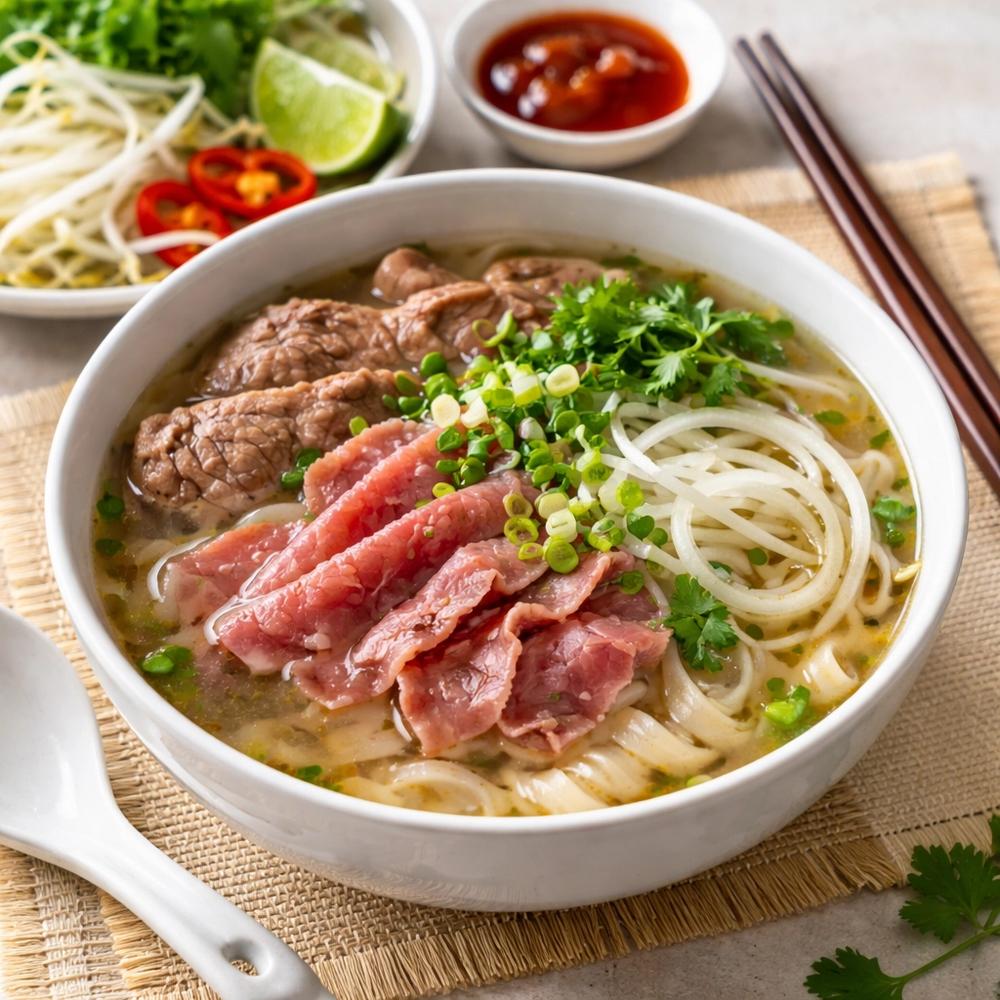
  • Một tô phở uống hết nước có thể tới ~1.430 mg natri — hơn nửa ngân sách muối cả ngày.
  • Chừa lại nửa nước dùng là cắt được gần nửa lượng natri của tô phở.
Mình không phải là bác sĩ — mình chỉ tư vấn theo thông tin nghiên cứu hiện có.

Bệnh âm thầm — có mà không biết

Có những bệnh không đau, không sốt, không báo trước — chúng tiến triển lặng lẽ nhiều năm, tới khi phát hiện thì đã để lại hậu quả nặng. Điểm chung của 11 bệnh dưới đây: chỉ cần một lần đo hoặc một xét nghiệm đơn giản là biết, và biết sớm thì xử lý nhẹ nhàng hơn rất nhiều. Mỗi bài viết theo cùng một khuôn để bạn tự đối chiếu: vì sao dễ bị bỏ sót → triệu chứng thường gặp → ảnh hưởng lâu dài → cách kiểm tra (ghi rõ tên xét nghiệm) → cách phòng ngừa → ai nguy cơ cao hơn. Đọc xong bài nào thấy “giống mình”, đừng tự lo — ghi lại tên xét nghiệm trong bài và hỏi bác sĩ của mình. Còn phần cách phòng ngừa trong mỗi bài là những việc làm ngay được từ hôm nay, kể cả khi chưa có bệnh — vì với nhóm bệnh này, phòng được một phần luôn nhẹ hơn chữa rất nhiều.

Bài 1 · Giấc ngủ

Ngưng thở khi ngủ (Sleep Apnea)

Vì sao dễ bị bỏ sót?

Bệnh xảy ra trong lúc ngủ — người bệnh không tự biết mình ngưng thở hàng chục lần mỗi đêm; người nhà thường chỉ nghĩ “ngáy to thôi mà”. Ban ngày thì ai cũng đổ cho mệt vì làm việc nhiều.

Triệu chứng thường gặp

  • Ngáy to, có lúc ngưng thở vài giây rồi thở hắt ra (người ngủ chung thấy rõ nhất)
  • Đau đầu buổi sáng, miệng khô khi thức dậy
  • Buồn ngủ ban ngày dù đã ngủ đủ giờ; ngủ gật khi ngồi yên
  • Huyết áp cao khó kiểm soát dù uống thuốc đều

Ảnh hưởng lâu dài

Mỗi lần ngưng thở, oxy trong máu tụt và huyết áp bị đẩy vọt lên — lặp lại hằng đêm nhiều năm làm tăng nguy cơ cao huyết áp kháng thuốc, rối loạn nhịp tim, đột quỵ và làm đường huyết khó kiểm soát hơn.

Cách kiểm tra: đo giấc ngủ (sleep study / polysomnography) — đo tại phòng lab qua đêm hoặc bằng máy đo tại nhà theo chỉ định của bác sĩ. Đây là cách duy nhất khẳng định được bệnh và mức độ nặng nhẹ.

Cách phòng ngừa

Một phần ngưng thở khi ngủ do cấu trúc họng và hàm — không phòng tuyệt đối được. Nhưng nguy cơ và mức độ nặng giảm rõ khi:

  • Giữ cân nặng hợp lý — với người thừa cân, giảm cân là cách giảm số lần ngưng thở hiệu quả nhất: cổ và họng bớt mỡ thì đường thở thông hơn
  • Ngủ nghiêng thay vì nằm ngửa — nằm ngửa làm lưỡi và hàm tụt ra sau, dễ bít đường thở
  • Không uống rượu bia buổi tối, không tự dùng thuốc ngủ hay thuốc an thần — chúng làm cơ họng giãn ra, cơn ngưng thở dài và nặng hơn
  • Bỏ thuốc lá — khói thuốc làm đường thở trên viêm và sưng, ngáy và ngưng thở đều nặng thêm
  • Điều trị nghẹt mũi, viêm mũi dị ứng nếu có, để thở bằng mũi thông suốt cả đêm
  • Đã được chẩn đoán bệnh thì dùng máy CPAP đều mỗi đêm theo chỉ định — đó chính là cách ngăn biến chứng tim mạch và huyết áp về sau; đừng bỏ giữa chừng khi thấy “đỡ rồi”

Ai nguy cơ cao hơn?

Người thừa cân / béo phì, cổ to, người ngáy lâu năm, người có huyết áp cao khó hạ, và người trung niên trở lên — nam gặp nhiều hơn, nhưng nữ sau mãn kinh nguy cơ tăng rõ và hay bị bỏ sót vì triệu chứng “mệt, mất ngủ” dễ bị tưởng là mãn kinh.

Bài 2 · Gan

Viêm gan B (Hepatitis B)

Vì sao dễ bị bỏ sót?

Virus viêm gan B có thể sống lặng lẽ trong gan nhiều năm, thậm chí vài chục năm, gần như không có triệu chứng gì. Người Việt có tỉ lệ mang virus cao, và đa số người mang virus không hề biết vì chưa từng xét nghiệm — nhiều người chỉ phát hiện khi gan đã xơ hoặc có khối u.

Triệu chứng thường gặp

Phần lớn không có triệu chứng. Một số người mệt mỏi mơ hồ, chán ăn, đau tức nhẹ hạ sườn phải — những dấu hiệu quá chung chung, dễ bỏ qua. Vàng da, vàng mắt thường chỉ xuất hiện khi bệnh đã nặng.

Ảnh hưởng lâu dài

Viêm gan B mạn tính âm thầm gây xơ gan và là nguyên nhân hàng đầu của ung thư gan — loại ung thư thường phát hiện muộn vì gan “chịu đựng” rất lâu không kêu đau. Phát hiện sớm, người mang virus được theo dõi định kỳ và điều trị kháng virus khi cần, giảm hẳn nguy cơ này.

Cách kiểm tra: xét nghiệm máu HBsAg (dương tính = đang mang virus), thường làm kèm anti-HBs (đã có kháng thể chưa) và anti-HBc. Nếu chưa nhiễm và chưa có kháng thể → chích ngừa viêm gan B (thường 3 mũi) là cách phòng bệnh chắc chắn nhất.

Cách phòng ngừa

  • Chích ngừa viêm gan B — cách phòng bệnh chắc chắn nhất: trẻ sơ sinh chích mũi đầu trong 24 giờ sau sinh; người lớn chưa có kháng thể chích đủ (thường 3 mũi)
  • Không dùng chung kim tiêm, dao cạo râu, bàn chải đánh răng, kềm cắt móng — những vật có thể dính máu dù chỉ rất ít
  • Xăm, xỏ khuyên, làm móng, châm cứu: chỉ làm ở nơi dùng kim và dụng cụ vô trùng, mở mới trước mặt mình
  • Quan hệ tình dục an toàn (dùng bao cao su) khi chưa rõ tình trạng viêm gan B của bạn tình
  • Mẹ mang virus và đang mang thai: báo cho bác sĩ sản khoa — bé được chích ngừa kèm kháng thể ngay sau sinh sẽ tránh được lây truyền từ mẹ gần như hoàn toàn
  • Người thân sống chung với người mang virus: đi xét nghiệm, và chích ngừa nếu chưa có kháng thể

Ai nguy cơ cao hơn?

Người sinh ra hoặc lớn lên ở Việt Nam và châu Á (nơi tỉ lệ mang virus cao), người có người thân trong nhà mang virus hoặc bị ung thư gan, và bất kỳ ai chưa từng xét nghiệm HBsAg trong đời — khuyến cáo hiện nay là mọi người lớn nên xét nghiệm ít nhất một lần.

Bài 3 · Đường huyết

Tiền tiểu đường & tiểu đường type 2

Vì sao dễ bị bỏ sót?

Giai đoạn đầu, đường huyết cao lên từ từ và gần như không có triệu chứng — cơ thể “quen dần” với mức đường cao. Rất nhiều người chỉ phát hiện khi đi khám bệnh khác, hoặc khi biến chứng đã xuất hiện. Riêng giai đoạn tiền tiểu đường thì hoàn toàn im lặng nhưng vẫn đảo ngược được nếu biết sớm.

Triệu chứng thường gặp

  • Khát nước nhiều, tiểu nhiều (nhất là ban đêm)
  • Mệt, buồn ngủ sau bữa ăn, hay đói nhanh
  • Vết thương lâu lành, hay nhiễm trùng da / nấm tái đi tái lại
  • Tê bì tay chân, mắt mờ dần — thường là dấu hiệu muộn hơn

Ảnh hưởng lâu dài

Đường huyết cao kéo dài âm thầm phá mạch máu và thần kinh: biến chứng ở mắt, thận, tim mạch và bàn chân. Mỗi năm phát hiện trễ là thêm thời gian đường cao “ngấm” vào cơ thể mà không ai biết.

Cách kiểm tra: HbA1c (đường huyết trung bình 3 tháng — HbA1c 5,7–6,4% là tiền tiểu đường, từ 6,5% là tiểu đường) kèm đường huyết lúc đói (100–125 mg/dL là tiền tiểu đường, từ 126 mg/dL là tiểu đường). Chỉ cần xét nghiệm máu, không cần đợi có triệu chứng.

Cách phòng ngừa

Tiểu đường type 2 là bệnh phòng được và làm chậm lại được — nhất là ở giai đoạn tiền tiểu đường, khi đổi thói quen còn đưa được đường huyết về mức bình thường:

  • Giữ cân nặng hợp lý: người thừa cân chỉ cần giảm khoảng 5–7% cân nặng đã giảm rõ nguy cơ tiền tiểu đường tiến thành tiểu đường
  • Vận động đều: đi bộ nhanh khoảng 150 phút mỗi tuần; thêm thói quen đi bộ 10–15 phút sau bữa ăn — đường huyết sau ăn vọt thấp hơn hẳn
  • Bớt đồ uống có đường — nước ngọt, trà sữa, nước ép đóng hộp là nguồn đường “vô hình” lớn nhất; khát thì uống nước lọc
  • Đổi thứ tự ăn: rau và đạm trước, cơm sau, cơm vừa phần và tăng rau — cùng một bữa ăn mà đường huyết lên chậm hơn
  • Ăn đủ đạm và giữ cơ — cơ bắp là nơi “tiêu” đường nhiều nhất; và ngủ đủ giấc, vì thiếu ngủ làm đường huyết khó kiểm soát hơn
  • Không hút thuốc — thuốc lá làm tăng kháng insulin và cộng thêm nguy cơ tim mạch
  • Đã ở mức tiền tiểu đường: kiểm tra HbA1c mỗi năm để biết mình đang đi về hướng nào

Ai nguy cơ cao hơn?

Người trên 40 tuổi, thừa cân, ít vận động, có cha mẹ / anh chị em bị tiểu đường. Lưu ý quan trọng: người châu Á mắc tiểu đường ở cân nặng thấp hơn người phương Tây — BMI từ 23 đã thuộc nhóm cần tầm soát, “không mập” không có nghĩa là không có nguy cơ.

Bài 4 · Huyết áp

Cao huyết áp — “kẻ giết người thầm lặng”

Vì sao dễ bị bỏ sót?

Đúng như biệt danh của nó: cao huyết áp thường không gây triệu chứng gì cả trong nhiều năm. Không đau đầu, không chóng mặt — cho tới khi biến chứng đầu tiên xuất hiện, và biến chứng đó có thể là đột quỵ. Cảm giác “tôi thấy khỏe” không nói lên được huyết áp đang bao nhiêu.

Triệu chứng thường gặp

Đa số không có triệu chứng. Một số người đau đầu, nặng gáy, hồi hộp khi huyết áp đã rất cao — nhưng chờ tới lúc có triệu chứng mới đo là đã muộn. Cách duy nhất để biết là đo.

Ảnh hưởng lâu dài

Huyết áp cao kéo dài làm thành mạch dày và cứng lại, tăng nguy cơ đột quỵ, nhồi máu cơ tim, suy tim và suy thận — phần lớn đều đến bất ngờ ở người trước đó “hoàn toàn khỏe”.

Cách kiểm tra: đo huyết áp định kỳ — tại phòng khám, hoặc máy đo tại nhà đúng cách (ngồi nghỉ 5 phút, tay ngang tim, đo 2 lần). Ghi lại con số nhiều ngày rồi đưa bác sĩ xem đáng tin hơn một lần đo lẻ. Từ 140/90 mmHg trở lên (đo đúng cách, lặp lại) là cao huyết áp.

Cách phòng ngừa

  • Ăn nhạt dần: mục tiêu dưới 5 g muối mỗi ngày (khoảng 1 muỗng cà phê gạt ngang — tính cả muối trong nước mắm và đồ ăn sẵn). Bớt nước chấm, đồ muối chua, mì gói, thịt nguội, đồ chế biến sẵn: muối “ẩn” trong bữa cơm Việt mới là phần lớn
  • Ăn nhiều rau và trái cây, chọn đạm nạc; hạn chế rượu bia — uống càng nhiều, huyết áp càng tăng theo
  • Vận động khoảng 30 phút mỗi ngày (đi bộ nhanh là đủ) và giữ cân nặng hợp lý — mỗi ký giảm được đều giúp huyết áp xuống theo
  • Không hút thuốc và tránh khói thuốc của người khác
  • Ngủ đủ giấc, và kiểm tra — điều trị ngưng thở khi ngủ nếu ngáy to: bệnh này đẩy huyết áp ban đêm lên rất mạnh (xem Bài 1)
  • Đo huyết áp định kỳ ngay cả khi thấy khỏe — bắt được ở mức “tiền tăng huyết áp” thì chỉ cần đổi thói quen, chưa cần tới thuốc

Ai nguy cơ cao hơn?

Người trên 40 tuổi, ăn mặn, thừa cân, ít vận động, có người thân bị cao huyết áp / đột quỵ, người bị tiểu đường hoặc ngưng thở khi ngủ. Người châu Á thường nhạy với muối hơn — ăn mặn là yếu tố rất đáng để ý trong bữa cơm Việt.

Bài 5 · Tuyến giáp

Suy giáp / Hashimoto

Vì sao dễ bị bỏ sót?

Triệu chứng của suy giáp giống hệt dấu hiệu mãn kinh và “tuổi già”: mệt, tăng cân, hay quên — nên cả người bệnh lẫn người nhà đều đổ cho tuổi tác mà không ai nghĩ tới tuyến giáp. Hashimoto (viêm tuyến giáp tự miễn, nguyên nhân suy giáp phổ biến nhất) tiến triển chậm nhiều năm trước khi giáp suy rõ.

Triệu chứng thường gặp

  • Mệt mỏi, buồn ngủ, người chậm chạp dù ngủ đủ
  • Tăng cân dù ăn không nhiều hơn trước
  • Táo bón, sợ lạnh, da khô
  • Rụng tóc, tóc khô xơ; trí nhớ giảm, đầu óc “mờ sương”

Ảnh hưởng lâu dài

Suy giáp không điều trị làm cholesterol tăng, tim đập chậm và yếu dần, người càng mệt và cân càng lên — và nhiều triệu chứng bị chữa lẻ tẻ từng món (uống thuốc bổ, thuốc nhuận tràng…) mà gốc bệnh không ai chạm tới.

Cách kiểm tra: xét nghiệm máu TSH và Free T4 (TSH cao + Free T4 thấp = suy giáp); thêm Anti-TPO để biết có phải Hashimoto hay không — Anti-TPO có thể dương tính mạnh nhiều năm trước khi TSH đổi, nên người có Anti-TPO cao cần theo dõi TSH định kỳ dù hiện tại vẫn bình thường.

Cách phòng ngừa

Nói thẳng: Hashimoto là bệnh tự miễn — không có cách phòng cho khỏi hẳn, và mắc bệnh này không phải lỗi của người bệnh. Việc làm được là giữ tuyến giáp khỏe và bắt bệnh ở giai đoạn sớm nhất:

  • Ăn đủ i-ốt ở mức vừa phải (nấu ăn bằng muối i-ốt như bình thường) — nhưng không tự uống i-ốt liều cao, tảo biển liều cao hay “thuốc bổ tuyến giáp” không rõ nguồn: thừa i-ốt cũng làm bệnh giáp nặng thêm
  • Đã có Anti-TPO dương tính, hoặc có người thân bị bệnh tuyến giáp: kiểm tra TSH mỗi năm dù chưa có triệu chứng — bắt được lúc giáp mới chớm suy thì theo dõi và điều trị đều nhẹ nhàng
  • Không hút thuốc — thuốc lá liên quan tới nhiều bệnh tự miễn và làm biến chứng mắt của bệnh tuyến giáp nặng hơn
  • Vitamin D, selen: chỉ bổ sung khi xét nghiệm thấy thiếu và theo hướng dẫn của bác sĩ, không uống theo quảng cáo
  • Nếu đã được kê thuốc giáp: uống đều đặn, đúng giờ, lúc bụng đói và tái khám đúng hẹn — giữ hormone ổn định chính là cách ngăn biến chứng về tim và xương

Ai nguy cơ cao hơn?

Phụ nữ (gặp nhiều hơn nam rõ rệt), người trung niên và sau mãn kinh, người có người thân bị bệnh tuyến giáp hoặc bệnh tự miễn, và người đã có Anti-TPO dương tính.

Bài 6 · Máu

Thiếu máu / thiếu sắt

Vì sao dễ bị bỏ sót?

Thiếu máu đến từ từ: cơ thể thích nghi dần nên người bệnh chỉ thấy “dạo này hay mệt” và tưởng do tuổi tác, thiếu ngủ hay làm việc nhiều. Thiếu sắt còn có thể có trước cả khi thiếu máu xuất hiện — lúc đó xét nghiệm máu thường vẫn “bình thường” nếu không đo thêm ferritin.

Triệu chứng thường gặp

  • Mệt, đuối sức nhanh khi leo cầu thang / đi bộ
  • Xanh xao — da, môi, mí mắt dưới nhợt
  • Chóng mặt, hoa mắt khi đứng lên nhanh, tim đập nhanh
  • Rụng tóc, móng giòn, hay bị nhiệt miệng

Ảnh hưởng lâu dài

Thiếu máu kéo dài làm tim phải làm việc bù, người suy nhược, giảm khả năng tập trung và lao động. Quan trọng hơn: thiếu máu / thiếu sắt ở người lớn tuổi đôi khi là dấu hiệu của một chỗ chảy máu âm thầm (ví dụ ở đường tiêu hóa) — tìm ra nguyên nhân mới là phần quan trọng nhất, không chỉ uống bổ sung sắt.

Cách kiểm tra: công thức máu (CBC) — xem hemoglobin; kèm ferritin (kho dự trữ sắt) và thường thêm sắt huyết thanh / độ bão hòa transferrin. Ferritin thấp là thiếu sắt dù hemoglobin chưa tụt.

Cách phòng ngừa

  • Ăn đa dạng, đủ chất sắt: thịt đỏ, trứng, hải sản có vỏ; nguồn thực vật gồm đậu, đỗ và rau lá xanh đậm — xoay vòng trong tuần thay vì chỉ ăn một món
  • Ăn kèm vitamin C trong cùng bữa (cam, ổi, chanh, ớt chuông, cà chua) — vitamin C giúp ruột hấp thu sắt từ rau đậu tốt hơn nhiều
  • Trà và cà phê uống cách bữa ăn 1–2 giờ — uống ngay trong bữa làm giảm hấp thu sắt rõ rệt
  • Phụ nữ kinh nguyệt nhiều, người mang thai, người ăn chay trường: hỏi bác sĩ về bổ sung sắt và kiểm tra ferritin định kỳ — nhưng đừng tự uống sắt kéo dài khi chưa xét nghiệm, vì thừa sắt cũng có hại
  • Trị tận gốc nguồn mất máu: trĩ, viêm loét dạ dày, vi trùng HP (Bài 11) đều làm mất máu âm thầm — chỉ bổ sung sắt mà không trị nguồn mất thì thiếu máu cứ quay lại
  • Xổ giun định kỳ theo khuyến cáo y tế nơi mình sống — giun móc là nguyên nhân thiếu máu âm thầm hay gặp ở vùng nông thôn

Ai nguy cơ cao hơn?

Phụ nữ (nhất là khi còn kinh nguyệt nhiều), người ăn ít thịt đỏ / ăn chay, người có bệnh dạ dày – ruột, người hiến máu thường xuyên, và người lớn tuổi ăn uống kém. Người có tiền sử thiếu máu hồng cầu nhỏ cần được bác sĩ tìm nguyên nhân cụ thể thay vì tự bổ sung mãi.

Bài 7 · Mỡ máu

Mỡ máu cao (cholesterol cao)

Vì sao dễ bị bỏ sót?

Cholesterol cao không có bất kỳ triệu chứng nào — không đau, không mệt, không nặng ngực. Mạch máu hẹp dần trong im lặng nhiều năm; “triệu chứng” đầu tiên với nhiều người chính là cơn đau tim hoặc đột quỵ.

Triệu chứng thường gặp

Không có. Đây là bệnh của xét nghiệm: chỉ có một cách biết — đo mỡ máu. Cảm giác khỏe, ăn uống “cũng không đến nỗi” đều không bảo đảm cholesterol đang ổn.

Ảnh hưởng lâu dài

LDL-cholesterol cao tích tụ thành mảng xơ vữa trong thành mạch → mạch hẹp và cứng → tăng nguy cơ nhồi máu cơ tim và đột quỵ. Nguy cơ càng cao khi đi cùng cao huyết áp, tiểu đường và hút thuốc.

Cách kiểm tra: xét nghiệm lipid panel (bộ mỡ máu): cholesterol toàn phần, LDL, HDL và triglyceride — thường lấy máu lúc đói. Người lớn nên kiểm tra định kỳ mỗi vài năm, thường xuyên hơn khi đã có yếu tố nguy cơ.

Cách phòng ngừa

  • Bớt mỡ bão hòa: da gà vịt, mỡ động vật, nội tạng, đồ chiên ngập dầu, nước cốt dừa dùng thường xuyên — đây là nhóm làm LDL tăng mạnh nhất
  • Ăn cá béo khoảng 2 bữa mỗi tuần (cá thu, cá hồi, cá mòi), thêm đậu, đậu phụ và các loại hạt thay một phần thịt mỡ
  • Tăng chất xơ hòa tan: rau, đậu, yến mạch, gạo lứt — chất xơ giúp “kéo” một phần cholesterol ra khỏi cơ thể
  • Bớt đường và rượu bia — hai thứ này đẩy triglyceride lên cao, nhất là ở người bụng to
  • Vận động đều đặn và giữ cân — vận động là cách tự nhiên giúp HDL (mỡ “tốt”) tăng lên; không hút thuốc
  • Yếu tố gia đình rất mạnh: cha mẹ hoặc anh chị em bị mỡ máu cao / bệnh tim sớm thì kiểm tra lipid panel sớm và định kỳ ngay từ khi còn trẻ, dù người gầy và ăn uống điều độ

Ai nguy cơ cao hơn?

Người có cha mẹ / anh chị em bị mỡ máu cao hoặc bệnh tim sớm (yếu tố gia đình rất mạnh), người thừa cân, tiểu đường, suy giáp chưa điều trị, và phụ nữ sau mãn kinh — cholesterol thường nhích lên rõ sau giai đoạn này.

Bài 8 · Thận

Bệnh thận mạn giai đoạn sớm

Vì sao dễ bị bỏ sót?

Thận có khả năng “gồng” rất giỏi: mất khá nhiều chức năng rồi mà người bệnh vẫn thấy bình thường. Giai đoạn sớm hầu như không triệu chứng, và nhiều người có kết quả creatinine “hơi cao” trong giấy xét nghiệm nhiều năm mà không ai giải thích đó là dấu hiệu thận đang yếu dần.

Triệu chứng thường gặp

Giai đoạn sớm: gần như không có. Muộn hơn mới xuất hiện mệt, phù chân / mặt, tiểu đêm nhiều, nước tiểu có bọt lâu tan, chán ăn — lúc đó thận thường đã tổn thương đáng kể.

Ảnh hưởng lâu dài

Bệnh thận mạn tiến triển lặng lẽ tới suy thận phải lọc máu, đồng thời làm tăng mạnh nguy cơ tim mạch. Ngược lại, phát hiện ở giai đoạn sớm thì kiểm soát huyết áp, đường huyết và thuốc men đúng cách có thể làm bệnh chậm lại rất nhiều.

Cách kiểm tra: xét nghiệm máu creatinine để tính eGFR (mức lọc cầu thận ước tính) + xét nghiệm albumin nước tiểu (tỉ lệ albumin/creatinine nước tiểu — ACR). Cần cả hai: eGFR cho biết thận lọc được bao nhiêu, albumin niệu cho biết thận đã “rò” đạm hay chưa — dấu hiệu tổn thương sớm nhất.

Cách phòng ngừa

  • Kiểm soát tốt huyết áp và đường huyết — hai việc quan trọng nhất để bảo vệ thận, vì đây là hai nguyên nhân gây suy thận hàng đầu
  • Ăn nhạt — ăn mặn làm huyết áp tăng và thận phải gồng thêm (xem Bài 4)
  • Uống đủ nước, chia đều trong ngày (xem mục Nhắc uống nước) — trừ khi bác sĩ đã dặn hạn chế nước vì bệnh thận hoặc bệnh tim
  • Không lạm dụng thuốc giảm đau kháng viêm (ibuprofen, diclofenac, meloxicam…) tự mua uống dài ngày — nhóm thuốc này làm giảm máu nuôi thận; khi cần dùng lâu phải có bác sĩ theo dõi
  • Không tự uống thuốc nam, lá cây, thực phẩm chức năng không rõ nguồn gốc “cho mát gan, bổ thận” — không ít ca suy thận nặng đến từ những thứ tưởng là lành này
  • Người tiểu đường hoặc cao huyết áp: kiểm tra eGFR + albumin niệu mỗi năm — phát hiện ở giai đoạn “rò đạm” là còn chặn được tiến triển

Ai nguy cơ cao hơn?

Người tiểu đường và người cao huyết áp — hai nguyên nhân hàng đầu gây bệnh thận; người trên 60 tuổi, có người thân bị suy thận, và người dùng thuốc giảm đau kháng viêm (NSAID) thường xuyên, kéo dài.

Bài 9 · Xương

Loãng xương

Vì sao dễ bị bỏ sót?

Xương mất dần mật độ không gây đau, không gây cảm giác gì — người ta vẫn đi lại, làm việc bình thường với bộ xương đang yếu đi từng năm. Với rất nhiều người, “triệu chứng” đầu tiên của loãng xương chính là một cú ngã nhẹ cũng gãy xương.

Triệu chứng thường gặp

Thường không có triệu chứng cho tới khi gãy xương. Dấu hiệu gợi ý muộn: chiều cao giảm đi vài cm theo năm tháng, lưng gù dần, đau lưng âm ỉ do xẹp đốt sống.

Ảnh hưởng lâu dài

Gãy xương do loãng xương — nhất là gãy cổ xương đùi — làm mất khả năng đi lại, phải phẫu thuật và nằm lâu, ảnh hưởng nặng tới độc lập sinh hoạt của người lớn tuổi. Phòng ngừa và phát hiện trước khi gãy lần đầu luôn nhẹ nhàng hơn rất nhiều.

Cách kiểm tra: đo mật độ xương bằng DEXA (DXA — chụp hấp thụ tia X năng lượng kép, thường đo ở cột sống thắt lưng và cổ xương đùi). Kết quả T-score từ −2,5 trở xuống là loãng xương; từ −1 đến −2,5 là thiếu xương (giai đoạn cảnh báo).

Cách phòng ngừa

  • Ăn đủ canxi mỗi ngày: sữa và chế phẩm từ sữa, cá nhỏ ăn cả xương (cá cơm, cá mòi), đậu phụ, mè, rau lá xanh đậm — chia đều các bữa, cơ thể hấp thu tốt hơn dồn một lúc
  • Giữ vitamin D đầy đủ — thiếu vitamin D thì ăn bao nhiêu canxi cũng hấp thu kém (xem Bài 10)
  • Vận động chịu sức nặng: đi bộ, leo cầu thang, tập tạ nhẹ / kháng lực vài buổi mỗi tuần — xương chỉ giữ được mật độ khi thường xuyên “chịu lực”; ngồi nằm nhiều là xương mất nhanh nhất
  • Không hút thuốc, hạn chế rượu bia; ăn quá mặn và uống quá nhiều cà phê cũng làm cơ thể thải canxi nhiều hơn
  • Phòng té ngã trong nhà: đèn đủ sáng, tay vịn ở cầu thang và nhà tắm, bỏ thảm trơn và vật cản lối đi — với bộ xương đã yếu, phòng được một cú ngã là phòng được một lần gãy xương
  • Phụ nữ sau mãn kinh và người có yếu tố nguy cơ: đo DEXA đúng hẹn để bắt bệnh ở giai đoạn thiếu xương — lúc đổi thói quen còn hiệu quả nhất

Ai nguy cơ cao hơn?

Phụ nữ sau mãn kinh — estrogen giảm làm xương mất nhanh trong những năm đầu mãn kinh; người nhỏ con, nhẹ cân, ít vận động, thiếu canxi / vitamin D, có cha mẹ từng gãy xương hông, và người phải dùng corticosteroid kéo dài. Khuyến cáo thường gặp: phụ nữ từ 65 tuổi nên đo DEXA; trẻ hơn nhưng có yếu tố nguy cơ thì hỏi bác sĩ để đo sớm hơn.

Bài 10 · Vitamin

Thiếu vitamin D

Vì sao dễ bị bỏ sót?

Triệu chứng của thiếu vitamin D mơ hồ và trùng với đủ thứ bệnh khác: mệt, đau nhức — nên hiếm ai nghĩ tới nó, và nó cũng không nằm trong các xét nghiệm thường quy ở nhiều nơi. Người làm việc trong nhà cả ngày, ít ra nắng, có thể thiếu quanh năm mà không biết.

Triệu chứng thường gặp

  • Đau nhức cơ / xương mơ hồ, đau lưng, đau chân không rõ nguyên nhân
  • Mệt mỏi kéo dài, sức cơ yếu đi
  • Hay ốm vặt; vết thương chậm lành
  • Nhiều người không có triệu chứng rõ — chỉ xét nghiệm mới biết

Ảnh hưởng lâu dài

Vitamin D giúp ruột hấp thu canxi; thiếu kéo dài làm xương mất chất khoáng — góp phần vào thiếu xương / loãng xương và nguy cơ gãy xương, yếu cơ và dễ té ngã ở người lớn tuổi.

Cách kiểm tra: xét nghiệm máu 25-OH vitamin D (25-hydroxyvitamin D) — đây là chỉ số chuẩn để đánh giá tình trạng vitamin D. Dưới 20 ng/mL thường được coi là thiếu; 20–30 ng/mL là chưa đủ. Có kết quả rồi mới bổ sung theo hướng dẫn của bác sĩ, thay vì tự uống liều cao kéo dài.

Cách phòng ngừa

  • Ra nắng vừa phải: nắng nhẹ khoảng 10–20 phút, vài lần mỗi tuần (tùy màu da và mùa) là đủ cho da tự tạo vitamin D — không cần phơi nắng gắt tới cháy da, vì cháy nắng đổi lấy nguy cơ ung thư da thì không đáng
  • Ăn thực phẩm có vitamin D: cá béo (cá hồi, cá thu, cá mòi), lòng đỏ trứng, sữa và thực phẩm có bổ sung vitamin D
  • Người làm việc trong nhà cả ngày, người lớn tuổi, da sẫm màu, hoặc sống nơi mùa đông ít nắng: xét nghiệm 25-OH vitamin D rồi bổ sung theo kết quả — nhóm này chỉ trông vào nắng và ăn uống thường không đủ
  • Đừng tự uống liều cao kéo dài: vitamin D tan trong dầu, uống thừa sẽ tích lại gây tăng canxi máu và hại thận — thiếu mới bổ sung, bổ sung một thời gian thì kiểm tra lại

Ai nguy cơ cao hơn?

Người ít tiếp xúc nắng (làm việc trong nhà, che chắn kỹ, sống ở vùng ít nắng mùa đông), người lớn tuổi (da tổng hợp vitamin D kém dần), da sẫm màu, người thừa cân, và người ăn ít cá béo / thực phẩm bổ sung vitamin D.

Bài 11 · Dạ dày

Vi trùng HP trong dạ dày (Helicobacter pylori)

Vì sao dễ bị bỏ sót?

HP là một loại vi trùng sống trong dạ dày, và ở Việt Nam nó phổ biến tới mức các khảo sát thường ghi nhận khoảng 7 trong 10 người lớn mang vi trùng này. Vấn đề là phần lớn người mang HP không có triệu chứng gì rõ ràng trong nhiều năm — không đau thì không đi khám, không xét nghiệm thì không biết. Nhiều người chỉ phát hiện khi đã viêm loét dạ dày, hoặc tình cờ khi nội soi vì một lý do khác.

Vi trùng HP từ đâu ra?

HP không tự sinh ra trong dạ dày — nó lây từ người sang người, chủ yếu qua đường miệng, và thường lây ngay trong gia đình:

  • Ăn uống chung: dùng chung đũa, muỗng, chén; dùng đũa đang ăn gắp thức ăn cho người khác; uống chung ly, chung ống hút
  • Người lớn mớm cơm, nhai sẵn hoặc thổi thức ăn cho trẻ nhỏ — đường lây rất thường gặp khiến trẻ mang HP từ rất sớm
  • Tiếp xúc nước bọt với người đang mang HP
  • Thức ăn, rau sống rửa bằng nước chưa sạch; nước uống chưa đun sôi; tay không rửa trước khi ăn và sau khi đi vệ sinh (đường phân – miệng)

Vì lây qua sinh hoạt ăn uống hằng ngày, trong nhà hễ có một người mang HP thì những người còn lại — nhất là trẻ em — rất dễ mang theo mà không ai hay biết.

Triệu chứng thường gặp

  • Phần lớn người mang HP không có triệu chứng
  • Đau hoặc nóng rát vùng trên rốn (thượng vị), hay đau lúc đói hoặc ban đêm
  • Đầy bụng, ợ hơi, ợ chua, buồn nôn, ăn mau no
  • Chán ăn, sụt cân không rõ lý do

Những dấu hiệu này cũng gặp ở nhiều bệnh dạ dày khác, nên không thể chỉ dựa vào triệu chứng mà kết luận có HP hay không — phải xét nghiệm mới biết chắc.

Ảnh hưởng lâu dài

HP là nguyên nhân hàng đầu của viêm dạ dày mạn tính và loét dạ dày – tá tràng. Để viêm kéo dài nhiều năm không điều trị, niêm mạc dạ dày có thể teo dần và nguy cơ ung thư dạ dày tăng lên — Tổ chức Y tế Thế giới (WHO) đã xếp HP vào nhóm tác nhân gây ung thư. Tin tốt là diệt trừ HP thành công giúp vết loét lành và ít tái phát, đồng thời giảm nguy cơ ung thư dạ dày — hiệu quả rõ nhất khi điều trị sớm, trước khi niêm mạc đã teo.

Cách kiểm tra: test hơi thở (urea breath test) — uống một dung dịch đặc biệt rồi thổi vào túi đo; đơn giản, chính xác, không cần nội soi, và cũng là cách thường dùng để kiểm tra lại sau điều trị xem đã hết HP chưa. Cách thứ hai cũng chính xác và không xâm lấn: xét nghiệm phân tìm kháng nguyên HP. Khi có chỉ định nội soi (ví dụ triệu chứng đáng lo), bác sĩ làm thêm sinh thiết dạ dày trong lúc soi để tìm HP. Còn xét nghiệm máu tìm kháng thể HP chỉ cho biết đã từng nhiễm, không phân biệt được đang nhiễm hay đã khỏi, nên ít dùng để quyết định điều trị. Lưu ý: trước khi test hơi thở hoặc xét nghiệm phân, thường phải ngưng kháng sinh và thuốc chứa bismuth khoảng 4 tuần, ngưng thuốc giảm axit (PPI) khoảng 2 tuần theo dặn của bác sĩ — nếu không, kết quả có thể âm tính giả dù vẫn còn HP.

Cách điều trị — và vì sao phải uống đủ?

Diệt HP cần phác đồ phối hợp do bác sĩ kê — thường gồm thuốc giảm axit cộng với 2 loại kháng sinh, uống khoảng 14 ngày — vì HP ngày càng kháng thuốc, phác đồ phải chọn theo tình hình thực tế. Cần uống đủ liều, đủ ngày và test lại sau khi ngưng thuốc để chắc chắn đã hết: tự mua kháng sinh uống dở dang sẽ làm HP kháng thuốc, lần diệt sau khó hơn nhiều.

Cách phòng ngừa

  • Ăn chín, uống sôi; rau sống rửa thật kỹ bằng nước sạch
  • Ăn chung mâm vẫn được, nhưng dùng đũa / muỗng riêng để gắp thức ăn chung, không dùng đũa đang ăn gắp cho người khác; mỗi người ly và ống hút riêng
  • Không mớm cơm, không nhai sẵn thức ăn cho trẻ; không dùng chung bàn chải đánh răng
  • Rửa tay bằng xà phòng trước khi ăn và sau khi đi vệ sinh — và tập cho trẻ thói quen này từ nhỏ
  • Người trong nhà đã biết có HP kèm viêm loét dạ dày: trao đổi với bác sĩ về việc kiểm tra cho người thân sống chung, vì lây trong gia đình rất phổ biến
  • Đã điều trị hết HP thì vẫn giữ thói quen ăn uống vệ sinh như trên để tránh tái nhiễm

Ai nguy cơ cao hơn?

Người sống chung nhà với người mang HP; trẻ em trong gia đình có người nhiễm; người có tiền sử viêm loét dạ dày – tá tràng; người có người thân bị ung thư dạ dày; và người thường xuyên ăn uống chung, dùng chung dụng cụ ăn uống. Thuộc các nhóm này thì nên chủ động hỏi bác sĩ về việc kiểm tra HP dù chưa có triệu chứng.

Lời nhắn cuối mục — đọc sao cho đúng: các bài viết này là thông tin tham khảo để bạn hiểu và tự đối chiếu, rồi đi kiểm tra sức khỏe — không phải chẩn đoán và không thay thế bác sĩ. Triệu chứng trong các bài này rất chung chung: mệt, đau đầu hay tăng cân có thể do nhiều nguyên nhân khác nhau, có triệu chứng giống trong bài không có nghĩa là bạn mắc bệnh đó. Cách dùng đúng: nếu thấy mình có vài triệu chứng trong cùng một bài, hoặc thuộc nhóm nguy cơ cao của bài đó, hãy đi khám và hỏi bác sĩ về đúng xét nghiệm được ghi trong bài (HBsAg, HbA1c, TSH / Free T4 / Anti-TPO, CBC + ferritin, lipid panel, creatinine / eGFR + albumin niệu, DEXA, 25-OH vitamin D, đo huyết áp, đo giấc ngủ, test hơi thở / kháng nguyên phân tìm vi trùng HP). Một xét nghiệm rẻ và sớm luôn nhẹ nhàng hơn một lần phát hiện muộn.

Kế hoạch theo từng bệnh — phần huấn luyện nằm ngay trong app

App không chỉ đếm calo, mà đưa ra kế hoạch để người bệnh theo đó ăn uống mỗi ngày, hỗ trợ giảm thiểu bệnh của họ. Mỗi người chọn tình trạng của mình lúc mở app — từ đó mọi con số, câu hỏi lại và thực đơn đều tính theo kế hoạch đó. Bốn kế hoạch đợt đầu:

Kế hoạch 1 · Đường huyết

Đường cao & tiểu đường — vẫn ăn cơm, nhưng ăn cơm đúng cách

Người Việt đường cao khổ nhất ở chỗ sợ cơm: bỏ cơm thì thèm và mệt, ăn như cũ thì đường vọt. Kế hoạch này không bắt bỏ cơm — nó quản lý loại gạo, lượng cơm và thứ tự ăn:

  • Đổi gạo trước, bỏ cơm sau: ưu tiên gạo lứt đỏ / basmati (GI thấp) thay gạo Thái thơm (GI cao nhất) — bảng gạo chi tiết ngay dưới đây.
  • Chốt phần cơm theo muỗng / chén trong ngân sách tinh bột của ngày; rau và đạm ăn trước, cơm ăn sau cùng.
  • Chè và đồ ngọt không cấm tuyệt đối: chuyển sang bản nhẹ, ly nhỏ, và app trừ vào “ngân sách đường” của ngày thay vì ngân sách calo chung.
  • Nhắc đi bộ 10–15 phút sau bữa ăn — thói quen nhỏ mà hiệu quả rõ.
App làm khác đi: khi quét dĩa cơm, app hỏi thêm “cơm trắng hay cơm lứt? cơm mới nấu hay cơm nguội hâm lại?” rồi mới chốt số — vì cùng một chén cơm, hai cách nấu cho đường huyết khác hẳn nhau.
Kế hoạch 2 · Mỡ máu

Cholesterol cao — đánh vào mỡ giấu trong món kho, món chiên

Với mỡ máu, calo chưa phải kẻ thù chính — mỡ bão hoà và đồ chiên ngập dầu mới là chỗ cần giữ, mà đó cũng là phần hình chụp không thấy được:

  • “Công tắc” ba rọi / da / mỡ: món kho có thêm ba rọi là app tách riêng phần mỡ đó ra một dòng, như phiếu cá nục kho cà chua: cả nồi ~955 kcal, thêm ~150 g ba rọi là +~380 kcal.
  • Chiên → nồi chiên không dầu, nướng, hấp: thư viện “Nấu healthy” ưu tiên các món đổi được cách nấu mà vẫn giữ vị (thịt tẩm bột chiên ~440 kcal/miếng → nồi chiên không dầu còn cỡ ~300).
  • Tăng cá và rau, giảm thịt mỡ: thực đơn ngày tự nghiêng về cá, đậu hũ, rau — thịt đỏ và món chiên được xếp thưa hơn, không biến mất.
App làm khác đi: mỗi món hiện thêm dòng mỡ bão hoà ước tính và cảnh báo đúng món “nặng mỡ” trong ngày, thay vì chỉ hiện tổng calo — vì người mỡ máu có thể ăn đủ calo mà vẫn quá tay ở đúng một món kho.
Kế hoạch 3 · Tuyến giáp

Hashimoto & tuyến giáp — ăn đều, đủ đạm, không tự kiêng bừa

Hashimoto làm cân lên dễ, xuống chậm, người mệt — nên kế hoạch này tập trung vào nhịp ăn đều và đủ đạm thay vì nhịn:

  • Khung ngày ~1.400–1.500 kcal, đạm ~100 g (khung ví dụ minh hoạ — mỗi người tính lại theo cân nặng và vận động của họ).
  • Cá béo được giữ lại có chủ đích (omega-3) — chỉ chia phần cho vừa ngân sách, như dĩa cá nục kho, thay vì loại bỏ.
  • Không tự trả lời thay bác sĩ: các câu hỏi kiêng sữa, đậu nành, rau họ cải, xét nghiệm celiac… app ghi lại thành danh sách để người dùng hỏi bác sĩ của mình.
App làm khác đi: theo dõi đạm theo ngày ngang hàng với calo, và nhắc bữa đều giờ — vì với nhóm này, bữa thất thường và thiếu đạm làm mệt và mất cơ nhanh hơn là một bữa hơi dư calo.
Kế hoạch 4 · Nhóm gốc

40+, mãn kinh & tăng cân — nhóm app làm đầu tiên

Đây là nhóm nền của app (mục ngay phía trên): cân lên dễ, xuống chậm, mất cơ nhanh nếu kiêng kiểu nhịn. Kế hoạch này thường chạy chung với một trong ba kế hoạch trên — ví dụ một người vừa mãn kinh vừa có Hashimoto:

  • Không nhịn món thích — chỉnh khẩu phần theo ngân sách còn lại của ngày, hôm dư thì ăn phần đầy hơn.
  • Mỗi bữa một phần đạm rõ cỡ lòng bàn tay để giữ cơ khi cân xuống chậm.
  • Thực đơn chốt sẵn cả ngày + video ngắn cho người bận, khỏi tự ghép bữa.
App làm khác đi: một người có thể bật nhiều kế hoạch cùng lúc — app gộp các nguyên tắc lại (ví dụ: đạm của Hashimoto + phần cơm của kế hoạch đường huyết) và khi hai nguyên tắc chỏi nhau, app ưu tiên an toàn và ghi rõ để người dùng hỏi bác sĩ.

Cơm cho người đường cao — chọn gạo nào, nấu sao?

Câu hỏi này được đưa thẳng vào kế hoạch đường huyết, vì với người Việt thì đây là quyết định ăn uống mỗi ngày. So theo chỉ số đường huyết (GI) — GI càng thấp, ăn xong đường lên càng chậm. Số GI dưới đây là khoảng tham khảo phổ biến của từng loại gạo, app sẽ ghi nguồn và cho người dùng đối chiếu với bác sĩ / chuyên gia dinh dưỡng của họ:

Loại gạoGI (khoảng)App gợi ý
Gạo Thái thơm (jasmine)~73–89 · caoThơm nhưng lên đường nhanh nhất — nếu ăn, giảm phần và ăn sau rau + đạm.
Gạo trắng thường~73 · caoMức phổ biến ở nhiều nhà; là loại app ưu tiên đề xuất đổi dần.
Basmati (Ấn Độ)~52–58 · trung bình thấpHạt dài, nhiều amylose — thắng gạo Thái rõ rệt, hợp nhà nào chưa quen gạo lứt.
Gạo lứt đỏ / gạo lứt nâu~50 · thấpLựa chọn app đề xuất đầu tiên cho người cần giữ đường huyết.
Đổi cách nấu, khỏi đổi món: nấu chín → để nguội → cất tủ lạnh qua đêm → hâm lại khi ăn: cơm tạo thêm tinh bột kháng, đường huyết sau ăn đỡ vọt hơn. Trộn thêm đậu đen / đậu lăng vào gạo (kiểu cơm độn) cũng hạ GI cả nồi.
Đổi thứ tự ăn: ăn rau và món mặn trước, cơm sau cùng, rồi đi bộ 10–15 phút sau bữa. Khi quét món, app hỏi loại cơm và cách nấu (mới / nguội hâm lại) để chỉnh con số — cùng một dĩa, trả lời khác là số khác.
Ranh giới của các kế hoạch này, ghi rõ trong app: đây là kế hoạch hỗ trợ ăn uống — giúp người bệnh ăn đúng hơn mỗi ngày để hỗ trợ giảm thiểu bệnh — không phải phác đồ điều trị, không thay thuốc, xét nghiệm hay lời khuyên của bác sĩ. Mục tiêu calo, đạm và ngân sách đường / mỡ của mỗi người phải được tính lại theo hồ sơ của họ và nên đối chiếu với bác sĩ điều trị; app không hứa chữa khỏi tiểu đường, mỡ máu hay Hashimoto.
Bước 1 · Bạn là ai?

Chạm vào avatar giống bạn nhất

Mỗi avatar là một nhóm người. Chạm vào nhân vật của mình — như nói với app: “tôi là người này” — app sẽ chọn sẵn nhóm tuổi cho hồ sơ của bạn, rồi bạn đi tiếp xuống tạo tài khoản và điền thông tin ở khung điện thoại bên dưới.

Đã chọn: Trung niên 40–59 — hồ sơ mẫu bên dưới đang để sẵn đúng nhóm này.

Ăn đúng theo từng lứa tuổi

Cân nặng không chừa tuổi nào — nhưng mỗi lứa tuổi tăng cân vì một quá trình khác nhau, nên cách ăn cũng phải khác nhau. Dưới đây là 5 nhóm tuổi app phục vụ: vì sao nhóm đó dễ tăng cân, app giúp ra sao, và app làm gì tuỳ theo tình trạng cân nặng của từng người trong nhóm.

Cách app xếp tình trạng cân nặng: người lớn (20+) theo BMI chuẩn Việt Nam / WHO châu Á – Thái Bình Dương — gầy <18,5 · bình thường 18,5–22,9 · thừa cân 23–24,9 · béo phì độ I 25–29,9 · béo phì độ II ≥30. Trẻ em và thiếu niên (6–19) không dùng BMI người lớn — tính theo phần trăm BMI theo tuổi: dưới %5 thiếu cân · %5–84 khỏe mạnh · %85–94 thừa cân · từ %95 béo phì. Ba mẹ chỉ cần nhập chiều cao + cân nặng của bé, app tự đối chiếu biểu đồ tăng trưởng và xếp nhóm.
6–12 tuổi · Ba mẹ giữ tài khoản
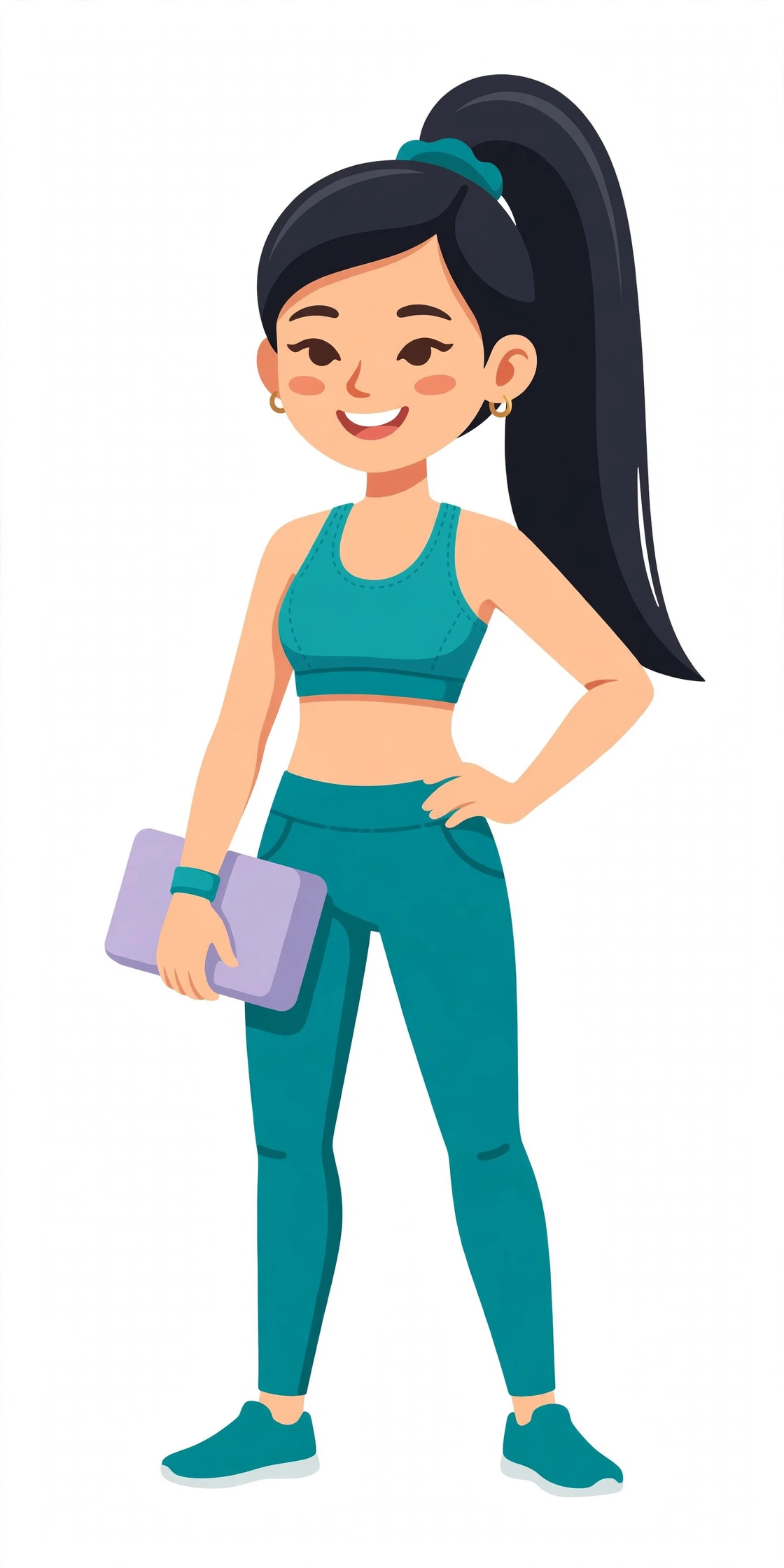
Avatar thiếu niên của app — bé gái tóc đuôi ngựa, đồ thể thao xanh, cầm yoga block tím
Bạn đồng hành cho nhóm trẻ em & thiếu niên

Trẻ em — mập vì môi trường, không phải vì bé hư

Vì sao lứa tuổi này dễ tăng cân?

  • Đồ siêu chế biến + nước ngọt khắp nơi: trà sữa, nước ngọt, snack — nhiều calo mà không no. Đường thêm nên ≤25 g/ngày (theo Hiệp hội Tim mạch Mỹ – AHA); một ly trà sữa có thể gấp đôi con số đó.
  • Màn hình hơn 2 giờ/ngày: vừa ngồi yên, vừa ăn vặt theo quảng cáo.
  • Thiếu ngủ: tuổi này cần ngủ 9–12 giờ/đêm. Thiếu ngủ làm hormone đói (ghrelin) tăng, hormone no (leptin) giảm → bé thèm đồ ngọt, đồ nhiều calo, nguy cơ béo phì về sau tăng gần gấp đôi.
  • Thói quen gia đình là yếu tố mạnh nhất: ba mẹ ăn sao, con ăn vậy.

Cách của app

Tài khoản do ba mẹ giữ. App không bắt trẻ ăn kiêng cực đoan — đổi thói quen của cả nhà: bớt nước ngọt, thay bằng nước lọc và trái cây; bữa cơm nhà đều đặn; ngủ đủ; vận động chơi ngoài trời 60 phút/ngày. Bé tăng cân nhanh hoặc bất thường → app nhắc ba mẹ cho bé gặp bác sĩ nhi.

Theo tình trạng cân nặng · phần trăm BMI theo tuổi
Thiếu cândưới %5Không cắt ăn — đảm bảo đủ năng lượng và đạm để bé lớn; theo dõi tăng trưởng cùng bác sĩ nhi.
Khỏe mạnh%5–84Giữ thói quen tốt của cả nhà — phòng ngừa là chính.
Thừa cân%85–94Chỉnh thói quen cả nhà: nước uống, ăn vặt, màn hình, giấc ngủ — không bắt bé ăn kiêng một mình.
Béo phìtừ %95Kế hoạch thói quen cho cả gia đình + app khuyên ba mẹ trao đổi với bác sĩ nhi.
13–19 tuổi · Dậy thì
Avatar thiếu niên của app — bé gái tóc đuôi ngựa, đồ thể thao xanh, cầm yoga block tím
Bạn đồng hành cho nhóm trẻ em & thiếu niên

Thiếu niên — dậy thì + điện thoại + thức khuya

Vì sao lứa tuổi này dễ tăng cân?

  • Dậy thì: hormone thay đổi, cơ thể tạm kháng insulin (sinh lý bình thường) — gặp môi trường đồ ăn nhanh là cân vọt nhanh.
  • Thức khuya lướt điện thoại: tuổi này cần ngủ 8–10 giờ nhưng đa số ngủ ít hơn → thèm ăn khuya; nước tăng lực và caffeine làm mất ngủ thêm — thành một vòng lặp.
  • Ăn ngoài tầm kiểm soát của ba mẹ: trà sữa, đồ chiên, ăn vặt sau giờ học; bỏ bữa sáng rồi ăn bù vào buổi tối.
  • Ít vận động: hết tuổi chạy nhảy, ngồi học và ngồi màn hình cả ngày.

Cách của app

App không nói chuyện “xấu / đẹp” với tuổi này — nói về năng lượng, làn da và sức học. Giữ bữa sáng có đạm; giới hạn nước ngọt và nước tăng lực; ngủ đủ là “thuốc” giảm thèm ăn; vận động bằng môn nào cũng được — thể thao, nhảy, võ.

Theo tình trạng cân nặng · phần trăm BMI theo tuổi
Thiếu cândưới %5Không giảm cân — ăn đủ đạm và năng lượng cho tuổi đang lớn; sút cân không rõ lý do thì gặp bác sĩ.
Khỏe mạnh%5–84Giữ thói quen: bữa sáng, giấc ngủ, vận động — phòng ngừa là chính.
Thừa cân%85–94Chỉnh thói quen nhẹ nhàng: bớt trà sữa, ăn sáng đều, ngủ đủ — tuyệt đối không ăn kiêng cực đoan.
Béo phìtừ %95Kế hoạch thói quen có cả nhà hỗ trợ + app khuyên trao đổi với bác sĩ.
20–39 tuổi · Đi làm

Người trẻ — mập vì lối sống đi làm

Vì sao lứa tuổi này dễ tăng cân?

  • Ngồi 9–10 giờ/ngày: văn phòng, đi lại, tối lại màn hình — vận động gần như “biến mất” khỏi đời sống; cơ yếu dần, đốt ít calo hơn.
  • App giao đồ ăn + đồ siêu chế biến + bia rượu: calo “lỏng” và calo “tiện”. Gan nhiễm mỡ và tiền tiểu đường giờ đã gặp ở người dưới 35 tuổi.
  • Thiếu ngủ + stress mạn tính: cortisol cao → tích mỡ bụng; stress → ăn xả stress.
  • Các mốc chuyển đời sống: rời nhà đi học/đi làm, sau sinh, ca đêm lệch nhịp sinh học → rối loạn hormone đói – no.

Cách của app

Bữa trưa có đạm + rau thay vì cơm hộp qua loa; giới hạn bia rượu và nước ngọt; đi bộ sau bữa ăn; ngủ 7–8 giờ; tập giữ cơ (tạ nhẹ / bodyweight) 2–3 buổi/tuần.

Theo tình trạng cân nặng · BMI châu Á
GầyBMI <18,5App không đẩy giảm cân — tập trung ăn đủ đạm và năng lượng; sút cân không chủ ý thì gặp bác sĩ.
Bình thườngBMI 18,5–22,9Giữ cân và phòng ngừa — giữ cơ, giữ giấc ngủ khi chuyển hóa bắt đầu chậm lại.
Thừa cânBMI 23–24,9Thâm hụt calo nhẹ + chỉnh thói quen: ngồi nhiều, đồ giao tận nơi, bia rượu.
Béo phì độ IBMI 25–29,9Kế hoạch ăn theo ngày có cấu trúc; theo dõi thêm gan nhiễm mỡ và đường huyết với bác sĩ.
Béo phì độ II+BMI ≥30Kế hoạch có cấu trúc chặt chẽ hơn + app khuyên trao đổi với bác sĩ của bạn.
40–59 tuổi · Nhóm chính của app

Trung niên — mập vì hormone đổi + cơ mất dần

Vì sao lứa tuổi này dễ tăng cân?

  • Mãn kinh (nữ): estrogen giảm → mỡ dồn về bụng; chuyển hóa chậm lại.
  • Mất cơ theo tuổi từ khoảng 40 tuổi, nhanh hơn sau mãn kinh: cơ ít → đốt ít calo → ăn như cũ vẫn tăng cân.
  • Bệnh nền và thuốc men: tuyến giáp / Hashimoto, ngưng thở khi ngủ, stress lo cho người thân lớn tuổi và con cái.

Cách của app

Đạm ~100 g/ngày để giữ cơ; ăn đều bữa, không nhịn cực đoan; canh muối vì huyết áp; đi bộ sau bữa ăn; vận động nhẹ cổ vai gáy; theo dõi đường huyết / HbA1c cùng bác sĩ. Nhóm này thường chạy chung với các kế hoạch theo bệnh ở mục “Kế hoạch” của app.

Theo tình trạng cân nặng · BMI châu Á
GầyBMI <18,5Không giảm cân — ưu tiên giữ cơ và đủ đạm trước tiên; sút cân không chủ ý thì gặp bác sĩ.
Bình thườngBMI 18,5–22,9Giữ cơ, giữ thói quen đều bữa — phòng ngừa mỡ bụng tuổi mãn kinh.
Thừa cânBMI 23–24,9Thâm hụt nhẹ + ưu tiên đạm để cân xuống mà cơ không mất.
Béo phì độ IBMI 25–29,9Kế hoạch có cấu trúc, ghép cùng kế hoạch theo bệnh nền (đường huyết, mỡ máu, tuyến giáp).
Béo phì độ II+BMI ≥30Kế hoạch có cấu trúc + app khuyên trao đổi với bác sĩ của bạn.
Trên 60 tuổi · Giữ cơ, giữ xương

Người trên 60 tuổi — mục tiêu đổi: giữ cơ, giữ xương, không ép cân

Vì sao lứa tuổi này dễ thay đổi cân nặng?

  • Mất cơ nhanh (sarcopenia): ăn ít lại nhưng lại thiếu đạm.
  • Nhiều loại thuốc ảnh hưởng tới cân nặng và cảm giác thèm ăn.
  • Ít vận động vì đau khớp — càng ít vận động, cơ càng mất nhanh.

Cách của app

Ưu tiên đủ đạm mỗi bữa và vận động nhẹ giữ cơ, giữ xương. Giảm cân (nếu cần) phải chậm và có bác sĩ theo — app không áp dụng các chế độ kiêng gắt của người trẻ cho lứa tuổi này.

Theo tình trạng cân nặng · BMI châu Á
GầyBMI <18,5Ưu tiên số 1: đủ đạm và năng lượng, giữ cơ — và gặp bác sĩ để tìm nguyên nhân.
Bình thườngBMI 18,5–22,9Giữ cơ, giữ xương, ăn đều bữa — không cần giảm cân.
Thừa cânBMI 23–24,9Thừa cân nhẹ ở tuổi này ít rủi ro hơn mất cơ — app ưu tiên đạm và cơ bắp hơn con số trên cân; chỉ chỉnh nhẹ nếu bác sĩ khuyên.
Béo phì độ IBMI 25–29,9Nếu giảm: chậm, từng chút, có bác sĩ theo — mục tiêu là đi lại nhẹ nhàng, không phải số cân đẹp.
Béo phì độ II+BMI ≥30Kế hoạch theo hướng dẫn của bác sĩ; app tập trung vào đạm, vận động nhẹ và khả năng vận động hằng ngày.
Nguyên tắc chung cho mọi tuổi: không chế độ cực đoan cho trẻ em và người trên 60 tuổi; người gầy ở bất kỳ tuổi nào cũng không bị app đẩy giảm cân. Mọi gợi ý đi theo hồ sơ của từng người (tuổi → nhóm lứa tuổi; bệnh nền → giới hạn riêng), và app không phải là bác sĩ — béo phì, hay tăng / giảm cân bất thường, nên được trao đổi với bác sĩ của bạn.

Góc gợi ý món ăn khỏe

Đây là phần gợi ý món của các Kế hoạch theo từng bệnh (mục “Kế hoạch theo từng bệnh” ở dưới vẫn giữ nguyên) — gom lên đây để bạn nhìn vô là chọn món nấu theo được ngay. Mỗi nhóm bệnh có hai phần: món trong kho của app hợp với nhóm đó (có sẵn kcal, đạm, natri — chạm Thêm để đưa vào Mâm của tôi, Chi tiết để xem cách ăn nhẹ hơn), và nguyên liệu gợi ý thêm theo sách Medical Medium để bạn biến tấu khi nấu.

Đường cao & tiểu đường

Ưu tiên món nhẹ, có đạm + rau, và bản ngọt nhẹ thay cho đồ ngọt thường — đúng tinh thần kế hoạch đường huyết: vẫn ăn ngon, chỉ ăn đúng cách.

Nguyên liệu gợi ý thêm — Theo Medical Medium (Anthony Williams)
TáoMơChuốiQuả mọngAnh đàoNam việt quấtChà làNhoKiwiChanh vàng & chanh xanhXoàiCác loại dưaCam & quýtĐu đủLêLựuAtisôMăng tâyCần tâyRau họ cảiDưa leoRau lá xanhKhoai tâyRau mầmDừaMật ong thô

Theo sách, nên tạm ngưng: sữa và chế phẩm từ sữa.

Nguồn tham khảo: sách Medical Medium Life-Changing Foods — quan điểm riêng của tác giả, chưa được y khoa chứng minh; chỉ để tham khảo thêm, không thay kế hoạch chính của app và lời khuyên của bác sĩ.

Cholesterol cao — mỡ máu

Nghiêng về cá, đậu hũ và rau; món kho, món hấp thay cho món chiên ngập dầu — đúng chỗ kế hoạch mỡ máu nhắm vào: mỡ giấu trong món ăn.

Nguyên liệu gợi ý thêm — Theo Medical Medium (Anthony Williams)
NghệRau họ cảiCủ cảiBơSungKhoai tâyKhoai langQuả mọngViệt quất dạiCác loại dưaRau lá xanhAnh đàoNgò tâyNam việt quấtHànhNhoCần tâyMăng tâyDưa leoTáoChanh

Theo sách, nên tạm ngưng / giảm hẳn: trứng, sữa & phô mai, gluten, ngô, dầu hạt cải, thịt heo và các món nhiều chất béo.

Nguồn tham khảo: sách Medical Medium Liver Rescue và Medical Medium Life-Changing Foods — quan điểm riêng của tác giả, chưa được y khoa chứng minh; chỉ để tham khảo thêm, không thay kế hoạch chính của app và lời khuyên của bác sĩ.

Hashimoto & tuyến giáp

Giữ cá béo có chủ đích (omega-3) và đạm đều mỗi bữa — đúng kế hoạch tuyến giáp: ăn đều, đủ đạm, không tự kiêng bừa.

Nguyên liệu gợi ý thêm — Theo Medical Medium (Anthony Williams)
AtisôTáoMăng tâyCần tâyRong biển Đại Tây Dương (dulse, kelp)Việt quất dạiQuả mọngAnh đàoChà làXoàiCam & quýtĐu đủKhoai tâyRau họ cảiRau lá xanhCủ cảiRau mầmNgò ríTỏiGừngTía tô đấtCam thảoNgò tâyLá mâm xôiNghệNấm chagaDừaDưa leoCải kaleChanhLựuMật ong thôHạt mèRau binaKhoai langCỏ xạ hươngCà chuaCải xoong

Theo sách, nên tạm ngưng: trứng, sữa & chế phẩm từ sữa, gluten, dầu hạt cải, ngô, đậu nành và thịt heo. Ngược lại, sách nói không cần kiêng rau họ cải vì lo “goitrogen”.

Nguồn tham khảo: sách Medical Medium Thyroid Healing và Medical Medium Life-Changing Foods — quan điểm riêng của tác giả, chưa được y khoa chứng minh; chỉ để tham khảo thêm, không thay kế hoạch chính của app và lời khuyên của bác sĩ.

40+, mãn kinh & tăng cân

Mỗi bữa một phần đạm rõ cỡ lòng bàn tay để giữ cơ, không nhịn món thích — chỉ chỉnh khẩu phần theo ngân sách của ngày.

Nguyên liệu gợi ý thêm — Theo Medical Medium (Anthony Williams)
Lá mâm xôiLá tầm maRau mầm & microgreenTáoQuả mọngNam việt quấtChà làChanh vàng & chanh xanhKhoai tâyNghệBồ công anh

Theo sách, nên tạm ngưng khi bốc hỏa / triệu chứng mãn kinh đang khó chịu: trứng và sữa.

Nguồn tham khảo: sách Medical Medium Life-Changing Foods — quan điểm riêng của tác giả, chưa được y khoa chứng minh; chỉ để tham khảo thêm, không thay kế hoạch chính của app và lời khuyên của bác sĩ.

Khung của góc này, nói rõ: đây là gợi ý hỗ trợ ăn uống lành mạnh theo từng bệnh — không tuyên bố chữa bệnh. Phần kế hoạch chính của app vẫn theo dinh dưỡng phổ thông và lời khuyên gặp bác sĩ; danh sách “Theo Medical Medium” là mục tham khảo riêng theo quan điểm của tác giả Anthony Williams.

Góc vận động nhẹ — đỡ đau cổ vai gáy

Ăn đúng mới là một nửa của chuyện giữ dáng và giữ sức khoẻ. Người ngồi nhiều, hay cúi xuống điện thoại và máy tính dễ bị mỏi cổ vai gáy, cổ chúi về trước (“cổ rùa”) — đúng nhóm người dùng của app. Góc này gom các bài vận động rất nhẹ, làm ngay tại nhà với một tấm thảm và một yoga block, do 4 nhân vật của app trình diễn từng động tác.

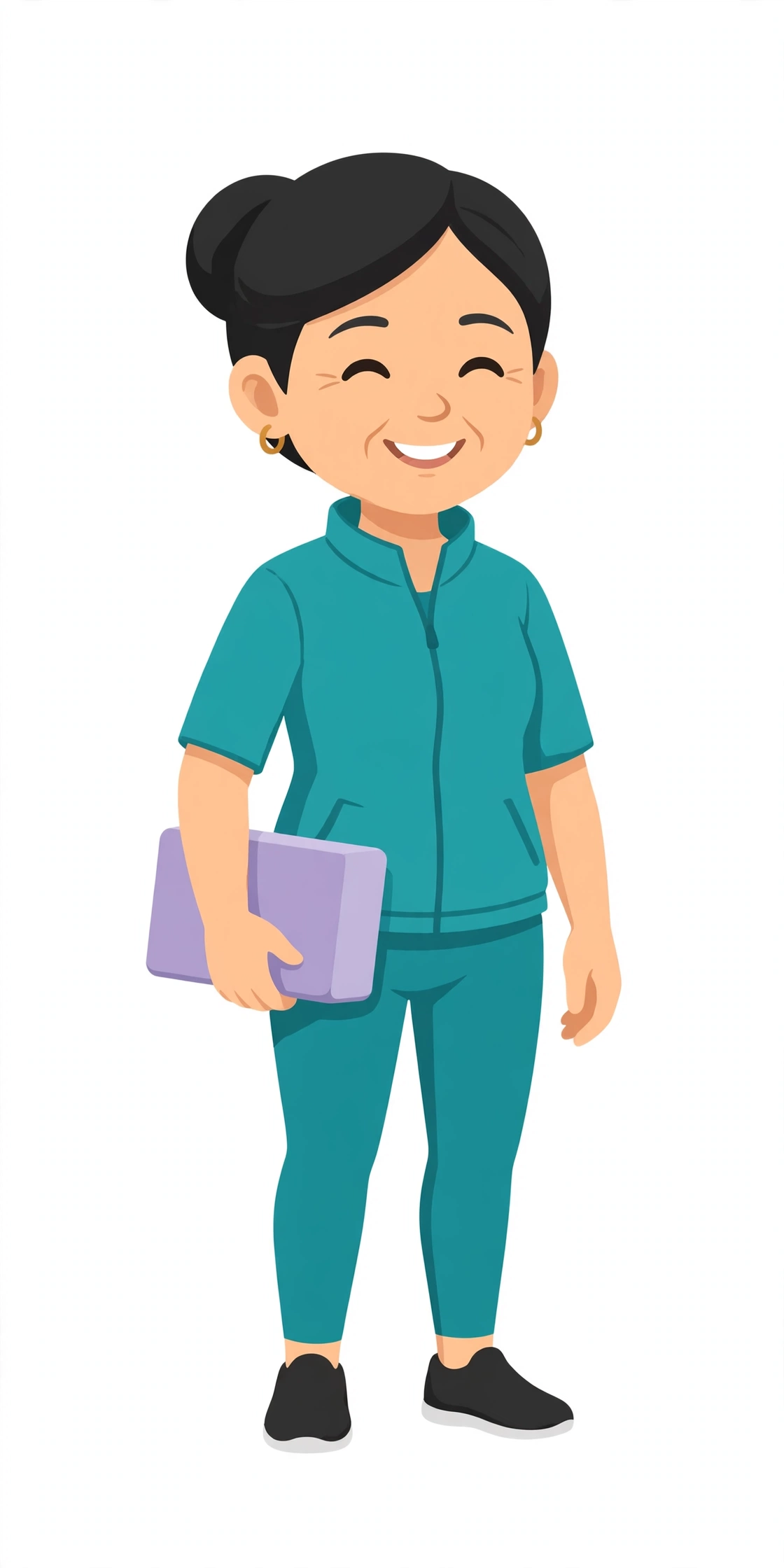
Nhân vật nữ trung niên tóc búi, mặc đồ thể thao xanh, cầm yoga block
Bạn nữ trung niên
Hướng dẫn các bài nhẹ cho nhóm 40+
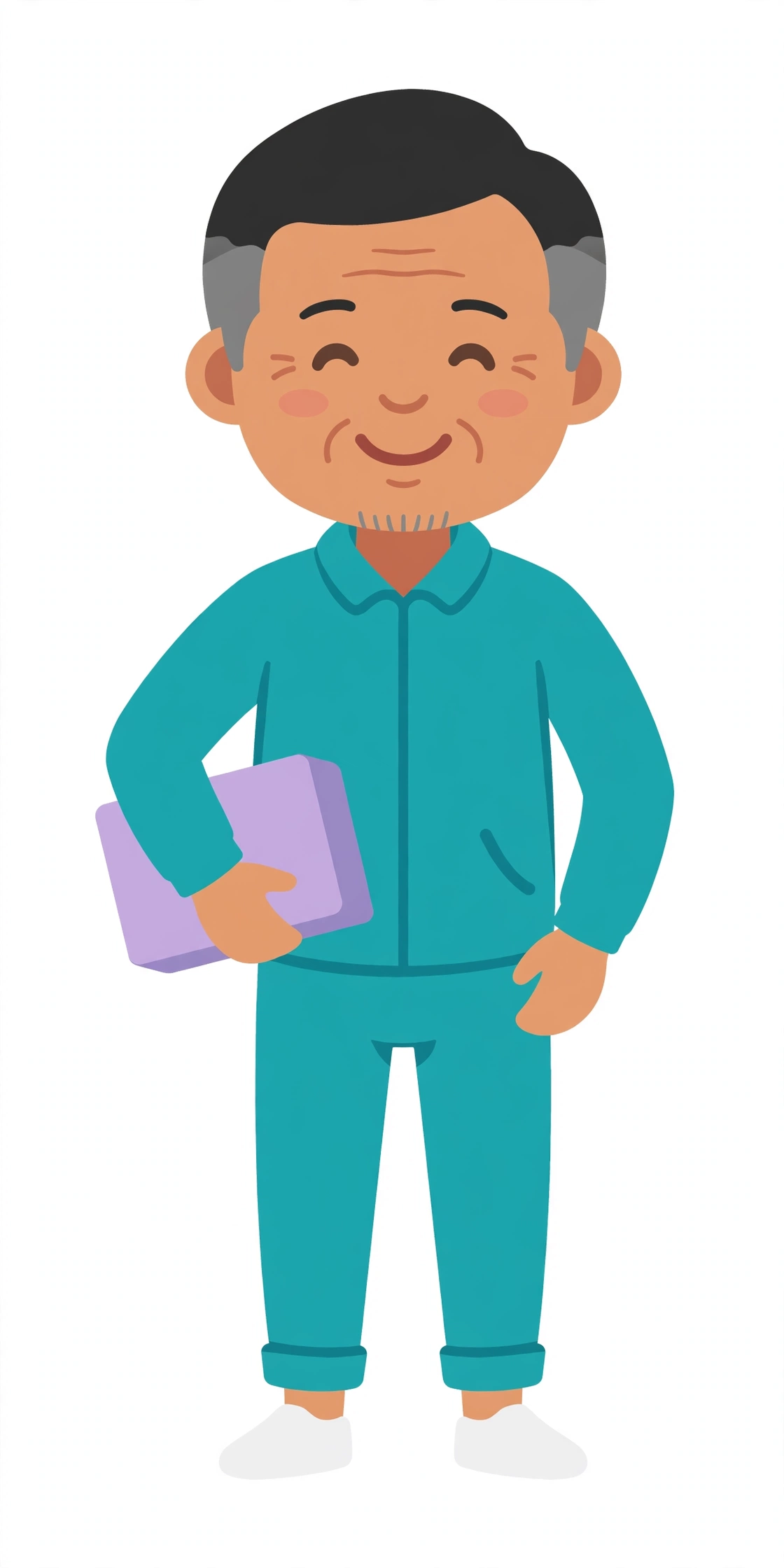
Nhân vật nam trung niên mặc đồ thể thao xanh, cầm yoga block
Bạn nam trung niên
Hướng dẫn các bài nhẹ cho nhóm 40+
Nhân vật nữ trẻ tóc đuôi ngựa, mặc áo top bra thể thao và quần legging, cầm yoga block
Mẫu chính · bài tập
Bạn nữ trẻ
Trình diễn chính các bài tập — đồ thể thao top bra + legging
Nhân vật nam trẻ mặc đồ thể thao, cầm yoga block
Bạn nam trẻ
Hướng dẫn các bài cho nhóm trẻ, khoẻ khoắn

Bài 1 · Xoay cổ trên yoga block

Nhẹ cổ vai gáy, hỗ trợ sửa tư thế cổ rùa — bài mở đầu của góc vận động.
~3–5 phútThảm + 1 yoga blockMức: rất nhẹ
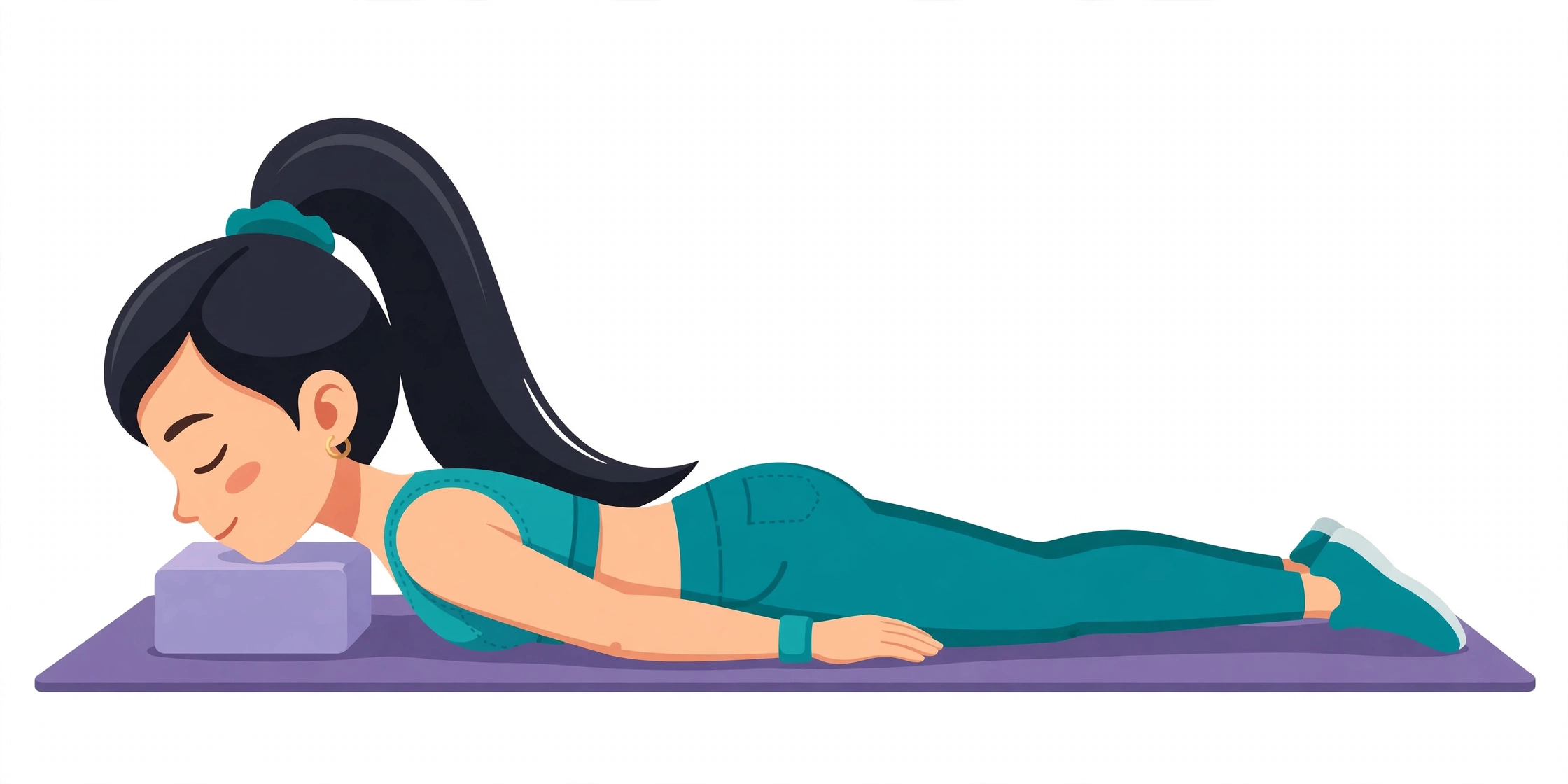
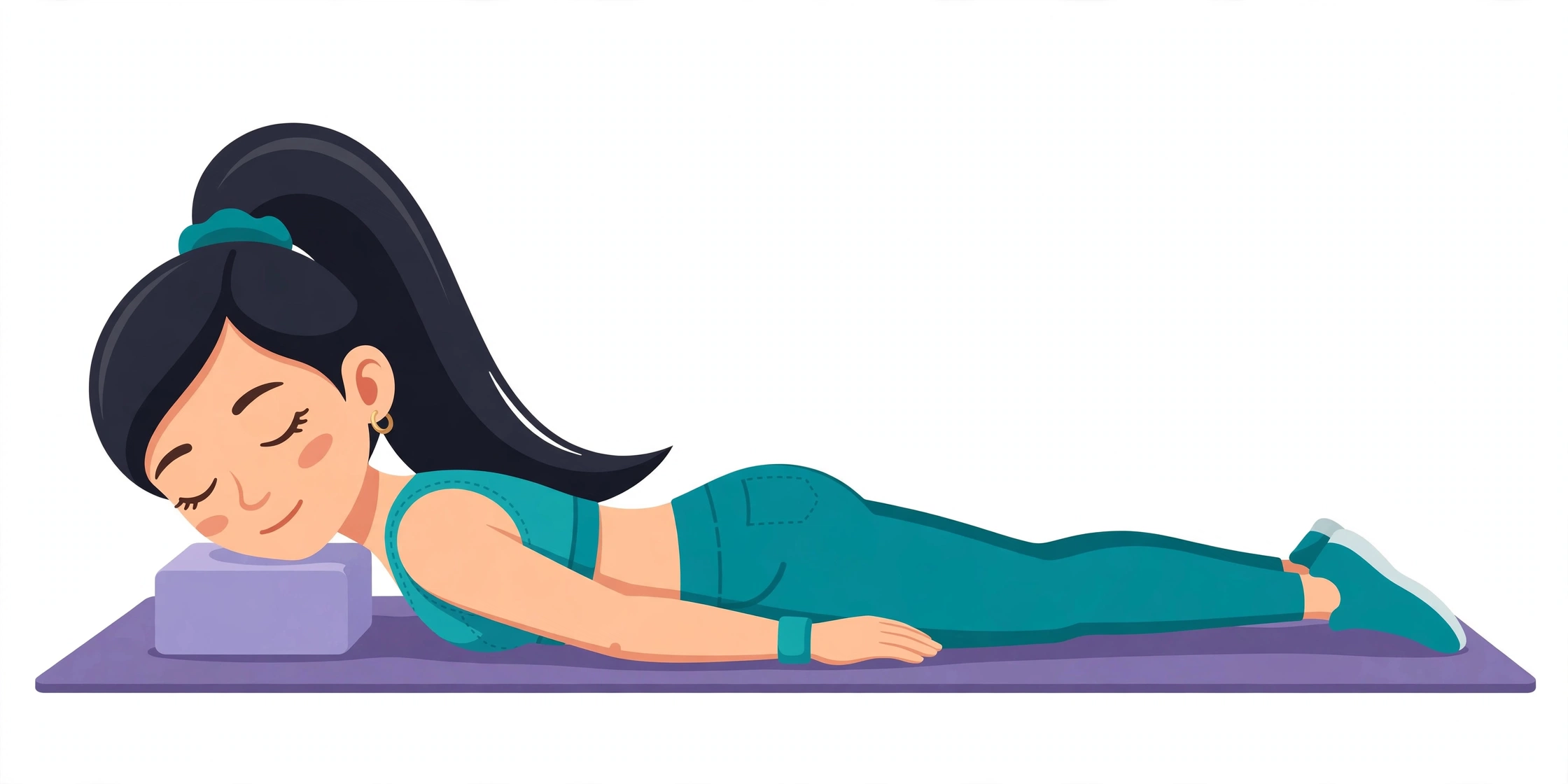
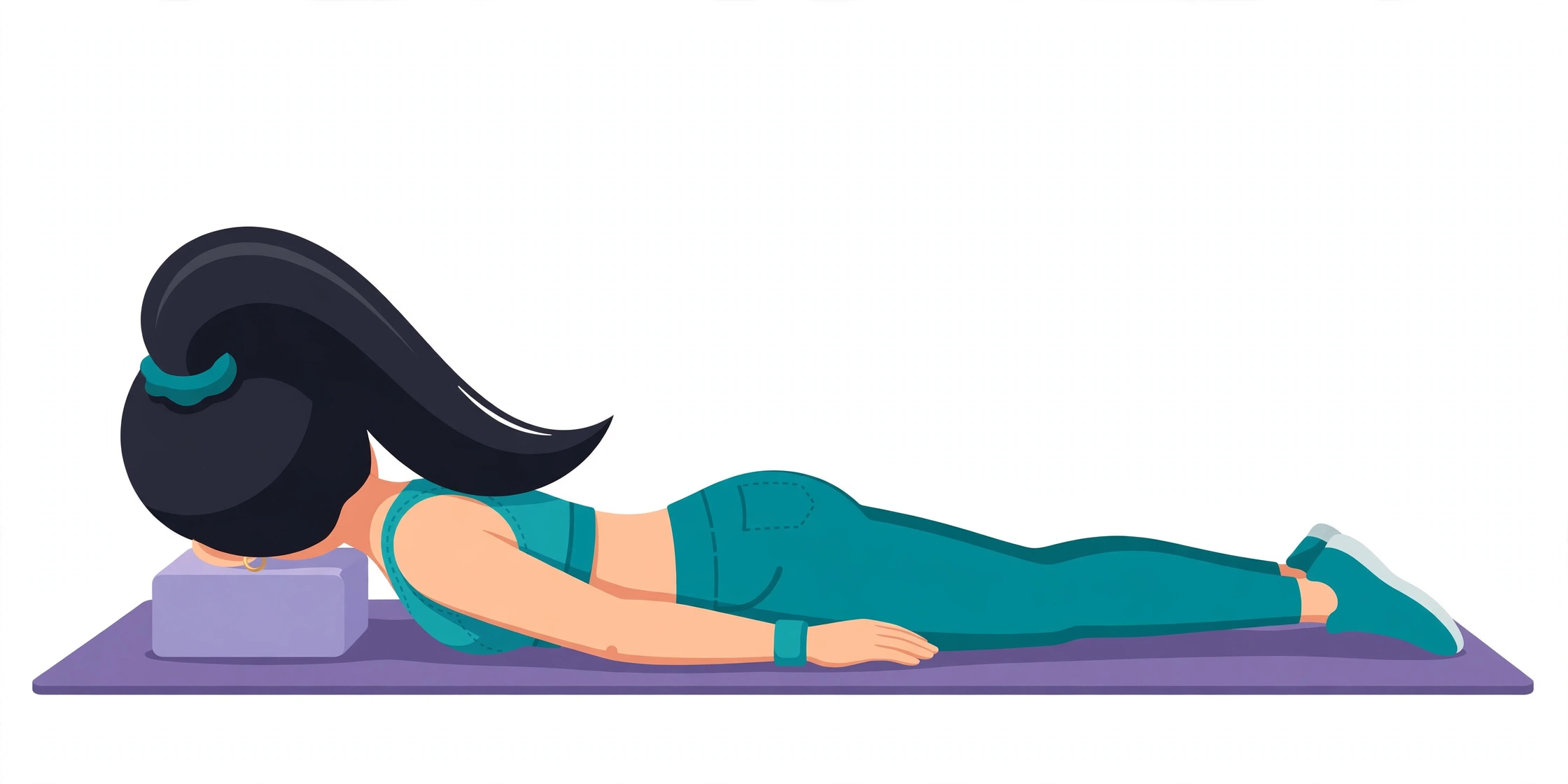
Clip lặp liên tục để tập theo: thân giữ yên từ đầu tới cuối — chỉ có đầu di chuyển: giữa → qua một bên → về giữa → qua bên kia.
Tư thế bắt đầu: nằm sấp, cổ kê trên yoga block, đầu ở giữa
Đầu ở giữa
Đầu xoay chậm qua một bên, thân vẫn nằm yên
Xoay qua một bên
Đầu xoay chậm qua bên còn lại, thân vẫn nằm yên
Xoay qua bên kia
  1. Nằm sấp trên thảm, bụng úp xuống.
  2. Kê cổ lên yoga block, thả lỏng cho block nâng đỡ cổ.
  3. Hai tay duỗi thẳng dọc theo thân, tay đặt cạnh hông — không để tay lên block.
  4. Chỉ xoay đầu thật chậm qua trái, giữ vài giây.
  5. Về giữa, rồi xoay qua phải, giữ vài giây.
  6. Thân giữ yên hoàn toàn suốt bài. Lặp lại 5–10 lần.
Vì sao tập bài này? Theo trải nghiệm được chia sẻ trong bài gốc, tập đều khoảng 2 tuần có thể thấy cổ vai gáy nhẹ hơn, bớt mỏi và tư thế đỡ gù hơn. Đây là trải nghiệm cá nhân được chia sẻ lại — không phải cam kết y khoa, kết quả tuỳ cơ địa mỗi người.
An toàn trước đã: tập nhẹ nhàng, không ép cổ đi quá tầm thấy dễ chịu. Nếu đau tăng, tê tay hoặc chóng mặt thì dừng lại ngay. Ai đang điều trị cổ vai gáy nên hỏi bác sĩ hoặc chuyên viên vật lý trị liệu trước khi tập theo.

Nguồn bài tập: tham khảo từ bài chia sẻ của Tue Nghi (@phattailoc86) trên Threads — phần hướng dẫn trong app được tóm tắt lại bằng lời của app, hình minh hoạ là nhân vật riêng của app.

Tìm hiểu các phương pháp ăn kiêng — nói thẳng cả phần ít ai nói

Rất nhiều người dùng của app đã từng theo một phương pháp nào đó qua app khác — giảm được một thời gian rồi tăng cân trở lại, đúng như trải nghiệm của rất nhiều người với nhịn ăn gián đoạn. Mục này giải thích từng phương pháp theo bằng chứng: nó hoạt động ra sao, vì sao lúc đầu có kết quả, và vì sao nhiều người không giữ được — để người đọc chọn (hoặc không chọn) với mắt mở. Bắt đầu với phương pháp phổ biến nhất:

Phương pháp 1 · Phổ biến nhất

Nhịn ăn gián đoạn (Intermittent Fasting – IF)

Kiểu ăn kiêng theo giờ phổ biến trên nhiều app: gợi ý món nhiều đạm trong giờ ăn, còn ngoài giờ ăn thì nhịn.
Ăn theo khung giờ, không theo món

IF là gì?

Ăn trong một khung giờ cố định, nhịn ngoài khung giờ đó. Kiểu phổ biến nhất là 16:8 — nhịn 16 tiếng, ăn trong 8 tiếng (ví dụ chỉ ăn từ 12h trưa tới 8h tối). Các app IF thường gợi ý món nhiều đạm trong giờ ăn để đỡ đói và giữ cơ.

16:8 — nhịn 16 tiếng · ăn 8 tiếng5:2 — 5 ngày ăn thường · 2 ngày ăn rất ítNhịn cách ngày

Vì sao lúc đầu giảm được?

Lý do rất đơn giản: khung giờ ăn ngắn lại → bỏ được bữa phụ, ăn vặt → tổng calo nạp vào giảm. IF giảm cân được là nhờ ăn ít calo hơn — không phải vì giờ ăn có “phép màu” đốt mỡ riêng. Ai ăn trong 8 tiếng mà tổng calo vẫn như cũ thì cân cũng không xuống.

Vì sao nhiều người tăng cân trở lại? — phần quan trọng nhất

Đây là chỗ các app IF ít khi nói rõ. Ba lý do dưới đây là những gì đa số người theo IF một thời gian đều gặp:

  1. Ăn bù trong giờ ăn: đói lâu, tới giờ ăn thì ăn nhiều hơn, ăn vặt thêm — phần calo “bù” này ăn gần hết phần đã nhịn được, có khi còn dư.
  2. Thiếu đạm → mất cơ → dễ tăng lại: ăn ít bữa rất dễ ăn không đủ đạm. Mất cơ nghĩa là cơ thể đốt ít calo hơn mỗi ngày, nên sau này ăn như cũ cũng dễ tăng hơn trước. Người trên 40, đang mãn kinh mất cơ càng nhanh — giữ cơ là chuyện sống còn với nhóm này, không phải chuyện phụ.
  3. Ngưng theo giờ → quay về thói quen cũ: IF với nhiều người là một “chế độ tạm thời”. Hết theo giờ là ăn lại như trước, và cân quay lại theo. Đây là lý do lớn nhất — và nó đúng với mọi kiểu ăn kiêng tạm thời, không riêng IF.
−8,0 kg vs −6,3 kg

NEJM 2022 — 139 người theo dõi 12 tháng: nhóm cắt calo + ăn trong khung giờ 8 tiếng giảm 8,0 kg; nhóm cắt calo không khung giờ giảm 6,3 kg. Chênh lệch không đáng kể — khung giờ cộng thêm gần như không giúp gì ngoài việc cắt calo.

16:8 = 3 bữa/ngày

JAMA 2020 (nghiên cứu TREAT) — 116 người, 12 tuần: nhóm 16:8 không giảm hơn nhóm ăn 3 bữa/ngày bình thường, và nhóm nhịn mất cơ nhiều hơn — đúng nỗi lo ở lý do số 2 phía trên.

Ai nên cẩn thận — hỏi bác sĩ trước

  • Tiền tiểu đường / tiểu đường: nhịn lâu rồi ăn dồn một bữa lớn dễ làm đường huyết vọt.
  • Người trên 40, mãn kinh: chỉ theo IF khi vẫn ăn đủ đạm mỗi ngày để giữ cơ.
  • Người thiếu máu, hay mệt, chóng mặt — nhịn dài dễ làm các triệu chứng này nặng hơn.
  • Người uống thuốc cùng thức ăn: khung giờ nhịn có thể lệch giờ uống thuốc — hỏi bác sĩ trước khi bắt đầu.

Đọc kết quả này sao cho đúng?

Nghiên cứu không nói IF “vô dụng” — nó nói IF không hơn gì cắt calo thông thường, và cái giá phải trả là nguy cơ mất cơ cùng cảm giác bị ép theo giờ. Với người thấy khung giờ hợp nếp sống, IF vẫn dùng được; với người càng theo càng mệt và ăn bù, thì vấn đề không nằm ở ý chí — phương pháp đó không bền với người đó.

Quan điểm của app mình: app không ép IF. Nền tảng của app là ăn đều bữa, đủ đạm, nhiều rau, vừa đủ calo — kiểu ăn theo được lâu dài cả đời, không phải “chế độ” để rồi ngưng. IF chỉ là khung giờ tuỳ chọn cho ai thấy hợp (ví dụ người vốn không thích ăn sáng) — và dù ăn theo khung giờ nào, trong giờ ăn vẫn phải ăn đủ chất, đủ đạm như app tính cho mỗi ngày.
Ghi chú: mục này là thông tin tham khảo để người dùng hiểu phương pháp trước khi chọn, không phải lời khuyên y tế cho từng người. Số liệu nghiên cứu (NEJM 2022; JAMA 2020 — nghiên cứu TREAT) được ghi nguồn ngay trong thẻ; ai có bệnh nền hoặc đang uống thuốc nên hỏi bác sĩ của mình trước khi theo bất kỳ phương pháp nào. Các phương pháp khác sẽ được thêm vào mục này theo cùng một khuôn: là gì — vì sao có kết quả lúc đầu — vì sao khó giữ — nghiên cứu nói gì.

Sức khỏe phụ nữ sau 30–40 tuổi — phòng & phát hiện sớm ung thư cổ tử cung và ung thư vú

Hai bệnh ung thư này có một điểm rất đặc biệt: ung thư cổ tử cung phòng ngừa được gần như tận gốc (chích ngừa HPV + tầm soát), còn ung thư vú phát hiện càng sớm thì chữa càng nhẹ và cơ hội khỏi càng cao. Cả hai đều im lặng ở giai đoạn đầu — chờ tới khi có triệu chứng mới đi khám là đã bỏ qua giai đoạn dễ nhất. Mục này dành cho chị em trẻ sắp bước qua 30, phụ nữ 40–59 và cả người trên 60: mỗi bệnh viết rõ nguyên nhân → dấu hiệu cần đi khám ngay → cách tầm soát đúng tên xét nghiệm / chụp chiếu → cách phòng ngừa làm được từ hôm nay → lịch theo từng độ tuổi. Đọc xong, việc cần làm chỉ gói trong hai câu: đã chích ngừa HPV chưa, và lần Pap / HPV test + nhũ ảnh gần nhất là khi nào?

Phụ nữ · Cổ tử cung

Ung thư cổ tử cung — bệnh phòng được, đừng để mắc rồi mới biết

Nguyên nhân chính — nói thẳng

Hầu như mọi ca ung thư cổ tử cung đều bắt đầu từ virus HPV (Human Papillomavirus) — một virus rất phổ biến, lây qua quan hệ tình dục, đa số người có hoạt động tình dục đều từng nhiễm ít nhất một lần trong đời. Phần lớn lần nhiễm tự hết; chỉ khi nhiễm HPV nguy cơ cao kéo dài nhiều năm, tế bào cổ tử cung mới biến đổi dần: từ tổn thương tiền ung thư (chưa phải ung thư, chữa rất nhẹ) rồi mới thành ung thư. Quá trình này thường mất 10–20 năm — đó chính là khoảng thời gian vàng để tầm soát bắt được và xử lý trước khi thành ung thư thật.

Vì sao dễ bị bỏ sót?

Giai đoạn tiền ung thư và ung thư giai đoạn sớm hoàn toàn không có triệu chứng. Nhiều chị em nghĩ “không đau, kinh đều, chắc không sao” nên chưa từng làm Pap lần nào trong đời — nhất là phụ nữ Việt hay ngại khám phụ khoa. Tới khi có triệu chứng thì bệnh thường đã tiến xa hơn.

Dấu hiệu cần đi khám ngay — đừng chờ tới lịch tầm soát

  • Ra máu bất thường: ra máu giữa kỳ kinh, sau khi quan hệ, hoặc ra máu lại sau khi đã mãn kinh
  • Kinh nguyệt kéo dài hơn hoặc ra nhiều hơn hẳn so với trước
  • Khí hư bất thường: ra nhiều, loãng như nước, có lẫn máu hoặc mùi hôi kéo dài
  • Đau vùng chậu hoặc đau khi quan hệ kéo dài không rõ nguyên nhân

Những dấu hiệu này đa số do nguyên nhân lành tính khác — nhưng chỉ khám và xét nghiệm mới phân biệt được, nên có là đi khám phụ khoa ngay, không tự theo dõi thêm vài tháng.

Cách phát hiện sớm — tầm soát khi đang khỏe: phết tế bào cổ tử cung (Pap smear / Pap test) — bác sĩ lấy nhẹ tế bào ở cổ tử cung để soi tìm tế bào bất thường; và xét nghiệm HPV (HPV test) — tìm chính virus nguy cơ cao trên cùng mẫu đó. Khung tham khảo phổ biến: 21–29 tuổi: Pap mỗi 3 năm; 30–65 tuổi: HPV test mỗi 5 năm, hoặc Pap + HPV cùng lúc (co-test) mỗi 5 năm, hoặc Pap mỗi 3 năm. Dưới 21 tuổi chưa cần tầm soát; sau 65 tuổi, nếu các lần tầm soát trước đều âm tính đầy đủ thì hỏi bác sĩ về việc ngừng. Lịch cụ thể có thể khác nhau theo nước và phòng khám — điều quan trọng nhất là có làm đều, đừng để trống nhiều năm. Kết quả bất thường chưa phải là ung thư: phần lớn chỉ cần theo dõi sát hơn hoặc xử lý tổn thương tiền ung thư bằng thủ thuật nhẹ.

Cách phòng ngừa

  • Chích ngừa HPV — việc quan trọng nhất: hiệu quả cao nhất khi chích ở tuổi 9–14, trước khi có quan hệ tình dục; khuyến cáo thường tới 26 tuổi; người 27–45 tuổi vẫn có thể chích sau khi bàn với bác sĩ (lợi ích ít hơn vì nhiều người đã từng nhiễm HPV). Cha mẹ có con gái — và cả con trai — trong tuổi này: đây là món quà sức khỏe rõ ràng nhất cho con
  • Đã chích ngừa vẫn phải tầm soát đều — vắc-xin không phủ hết mọi type HPV nguy cơ cao, nên Pap / HPV test không bỏ được
  • Quan hệ tình dục an toàn: dùng bao cao su (giảm — không xóa hết — nguy cơ lây HPV), hạn chế số bạn tình
  • Không hút thuốc — thuốc lá làm tổn thương cổ tử cung do HPV khó tự khỏi hơn và tiến triển nhanh hơn
  • Đi tầm soát đúng hẹn kể cả khi thấy hoàn toàn khỏe — tầm soát chính là phòng ngừa: bắt và xử lý tiền ung thư là chặn ung thư trước khi nó hình thành

Ai nguy cơ cao hơn?

Người chưa từng tầm soát hoặc tầm soát thưa (yếu tố nguy cơ lớn nhất), quan hệ tình dục sớm / nhiều bạn tình, hút thuốc, suy giảm miễn dịch (ví dụ nhiễm HIV hoặc dùng thuốc ức chế miễn dịch), và người từng có kết quả Pap bất thường mà không theo dõi tiếp. Người đã cắt tử cung toàn phần vì bệnh lành tính và không còn cổ tử cung thì thường không cần Pap nữa — hỏi bác sĩ của mình để chắc.

Phụ nữ · Vú

Ung thư vú — không phòng tuyệt đối được, nhưng phát hiện sớm là khác hẳn

Vì sao dễ bị bỏ sót?

Khối u vú giai đoạn sớm thường nhỏ, không đau — và “không đau” lại là lý do nhiều người yên tâm bỏ qua một cục cứng mới xuất hiện. Có những khối u sờ không thấy mà chỉ chụp nhũ ảnh mới thấy. Ung thư vú là ung thư thường gặp nhất ở phụ nữ; tin tốt là khi phát hiện ở giai đoạn sớm, khu trú tại vú, kết quả điều trị tốt hơn hẳn so với khi đã lan — nên toàn bộ mục này xoay quanh một việc: phát hiện sớm bằng tầm soát đều + để ý thay đổi của chính mình.

Dấu hiệu cần đi khám ngay — đừng chờ tới lịch chụp

  • Cục cứng / khối mới ở vú hoặc ở nách, nhất là khi cứng, ít di động, không đau
  • Vú thay đổi kích thước hoặc hình dạng một bên; da vú lõm xuống như lúm đồng tiền, dày lên, đỏ, hoặc sần như vỏ cam
  • Núm vú tụt vào trong mới xuất hiện, đóng vảy / loét quanh núm vú
  • Tiết dịch núm vú bất thường — nhất là dịch có máu, chỉ một bên, tự chảy ra khi không nặn
  • Đau một điểm cố định ở vú kéo dài không theo chu kỳ kinh — đau vú nói chung thường lành tính, nhưng đau một chỗ mãi không hết thì vẫn cần khám

Đa số cục ở vú là lành tính (u xơ, nang) — nhưng không ai tự phân biệt được bằng tay. Có thay đổi mới là đi khám, bác sĩ sẽ khám + siêu âm hoặc chụp nhũ ảnh để kết luận; đi khám sớm mà ra lành tính cũng là yên tâm sớm.

Cách phát hiện sớm — tầm soát khi đang khỏe: chụp nhũ ảnh (mammogram / mammography) — chụp X-quang liều thấp của vú, tìm được khối u và vi vôi hóa trước khi sờ thấy. Khung tham khảo phổ biến: từ 40 tuổi, bàn với bác sĩ để bắt đầu; 40–74 tuổi chụp mỗi 1–2 năm; trên 74 tuổi tiếp tục hay không tùy sức khỏe và ý muốn — hỏi bác sĩ của mình. Người nguy cơ cao (gia đình nhiều người ung thư vú / buồng trứng, mang gen BRCA, từng xạ trị vùng ngực khi trẻ) cần bắt đầu sớm hơn và có thể cộng thêm MRI vú — phải có lịch riêng do bác sĩ lập. Thêm hai lớp nữa: khám vú lâm sàng khi đi khám phụ khoa / khám tổng quát định kỳ, và tự hiểu vú của mình (xem phần phòng ngừa) để nhận ra thay đổi sớm. Siêu âm vú hay dùng để xem kỹ thêm khi có triệu chứng hoặc vú đặc — không thay thế nhũ ảnh trong tầm soát.

Cách phòng ngừa — giảm nguy cơ, và tự theo dõi đúng cách

Nói thẳng: không có cách nào phòng ung thư vú cho khỏi hẳn — ăn uống, thực phẩm chức năng hay “thuốc phòng ung thư” được quảng cáo đều không thay được tầm soát. Những việc dưới đây giảm được một phần nguy cơ và giúp phát hiện sớm:

  • Tự theo dõi vú mỗi tháng: chọn lúc vú ít căng nhất — khoảng 7–10 ngày sau khi bắt đầu kỳ kinh; đã mãn kinh thì chọn một ngày cố định trong tháng. Nhìn trước gương (da, núm vú, hình dạng hai bên) và sờ khắp vú + nách bằng mặt phẳng các ngón tay. Mục đích là quen với “bình thường” của chính mình để nhận ra cái mới — không phải để tự chẩn đoán, và không thay nhũ ảnh
  • Giữ cân nặng hợp lý, nhất là sau mãn kinh — thừa cân sau mãn kinh làm nguy cơ ung thư vú tăng rõ
  • Vận động đều: khoảng 150 phút mỗi tuần vận động vừa (đi bộ nhanh) — vừa giữ cân, vừa giảm nguy cơ
  • Hạn chế rượu bia tối đa — nguy cơ tăng theo lượng uống, uống càng ít càng tốt cho vú
  • Cho con bú nếu có thể — bú mẹ kéo dài giúp giảm nguy cơ cho mẹ
  • Thận trọng với hormone thay thế sau mãn kinh: chỉ dùng khi thật cần, liều và thời gian theo bác sĩ cân nhắc riêng cho từng người — không tự mua dùng kéo dài
  • Biết tiền sử gia đình: mẹ, chị em gái, con gái — hoặc người thân nam — từng bị ung thư vú / buồng trứng, nhất là khi còn trẻ? Ghi lại và nói cho bác sĩ biết: nó thay đổi cả lịch tầm soát của bạn

Ai nguy cơ cao hơn?

Tuổi càng cao nguy cơ càng tăng (phần lớn ca gặp sau 50 tuổi — nhưng người trẻ vẫn có thể mắc, nên cục mới ở tuổi nào cũng phải khám); có người thân ruột thịt bị ung thư vú / buồng trứng; mang gen BRCA1 / BRCA2; mô vú đặc; có kinh sớm / mãn kinh muộn; chưa sinh con hoặc sinh con đầu lòng muộn; thừa cân sau mãn kinh; uống rượu thường xuyên. Thuộc nhóm nguy cơ cao thì đừng dùng lịch tầm soát của người bình thường — hỏi bác sĩ để có lịch riêng.

Lịch tầm soát theo tuổi — tóm tắt để nhớ

Bảng này là khung tham khảo phổ biến để chị em đối chiếu nhanh; lịch của từng người có thể được bác sĩ chỉnh theo nguy cơ và kết quả trước đó. Nguyên tắc không đổi theo tuổi: có dấu hiệu bất thường là đi khám ngay, không chờ tới kỳ tầm soát.

9–26 tuổiCổ tử cungChích ngừa HPV — tốt nhất 9–14 tuổi; tới 26 tuổi vẫn được khuyến cáo. 27–45 tuổi: bàn riêng với bác sĩ.VúLàm quen với vú của mình; cục mới hoặc thay đổi lạ ở tuổi nào cũng đi khám.
21–29 tuổiCổ tử cungPap test mỗi 3 năm (bắt đầu từ 21 tuổi).VúTự theo dõi hằng tháng; khám vú khi khám phụ khoa định kỳ.
30–39 tuổiCổ tử cungHPV test mỗi 5 năm, hoặc co-test (Pap + HPV) mỗi 5 năm, hoặc Pap mỗi 3 năm.VúTự theo dõi hằng tháng; nói cho bác sĩ biết nếu gia đình có người ung thư vú — có thể cần bắt đầu chụp sớm hơn.
40–49 tuổiCổ tử cungTiếp tục lịch như 30–39 tuổi, đừng để trống.VúBàn với bác sĩ để bắt đầu nhũ ảnh; thường chụp mỗi 1–2 năm.
50–65 tuổiCổ tử cungTiếp tục tầm soát đều tới 65 tuổi.VúNhũ ảnh mỗi 1–2 năm — đây là nhóm tuổi phát hiện được nhiều ca sớm nhất nhờ tầm soát.
Trên 65 tuổiCổ tử cungNếu các lần tầm soát trước âm tính đầy đủ, bác sĩ có thể cho ngừng; chưa tầm soát đủ thì vẫn tiếp tục.VúNhũ ảnh mỗi 1–2 năm tới khoảng 74 tuổi; sau đó tùy sức khỏe, bàn với bác sĩ.
Lời nhắn cuối mục: mục này là thông tin tham khảo để phòng ngừa và đi tầm soát đúng lúc — không phải chẩn đoán và không thay thế bác sĩ. Hai điểm cần nhớ nhất: một là, giai đoạn sớm của cả hai bệnh thường không có triệu chứng, nên “tôi thấy khỏe” không thay được một lần Pap / HPV test hay một lần nhũ ảnh; hai là, kết quả tầm soát bất thường chưa có nghĩa là ung thư — phần lớn trường hợp chỉ cần theo dõi hoặc xử lý nhẹ, và đó chính là lý do người ta tầm soát. Nếu bạn chưa nhớ nổi lần Pap gần nhất của mình là khi nào, hoặc chưa từng chụp nhũ ảnh sau tuổi 40, thì việc làm ngay sau khi đọc mục này là đặt một cuộc hẹn khám phụ khoa / khám tổng quát và hỏi bác sĩ đúng hai câu đó.

Vitamin bổ sung theo nhóm tuổi — xét nghiệm trước, thiếu mới bổ

Quảng cáo bán vitamin bằng nỗi sợ: sợ thiếu chất, sợ già, sợ bệnh. Nhưng nhu cầu vitamin không giống nhau ở mọi tuổi — trẻ đang xây xương khác hẳn người 60 hấp thu B12 kém dần; phụ nữ còn kinh cần sắt gấp đôi nam giới, tới sau mãn kinh thì nhu cầu sắt tụt xuống ngang nam giới. Nguyên tắc của app, nói thẳng từ đầu: một là thức ăn trước — viên bổ sung chỉ lấp đúng chỗ thiếu, không thay được bữa ăn; hai là xét nghiệm trước khi uống — thiếu chất nào bổ chất đó, theo kết quả, không uống theo quảng cáo; ba là liều theo tuổi — và càng lớn tuổi, càng nhiều thuốc đang uống, thì tương tác thuốc càng phải kiểm tra trước. Bằng chứng hiện nay cũng nói rõ: ở người lớn khỏe mạnh ăn uống đủ, đa vitamin (multivitamin) uống hằng ngày chưa có bằng chứng phòng được bệnh tim mạch hay ung thư (đánh giá của USPSTF) — nên mục này không có câu “ai cũng nên uống một viên tổng hợp mỗi ngày”.

Nhìn nhanh theo tuổi — ưu tiên gì, thận trọng gì

Bảng tóm tắt để đối chiếu nhanh; chi tiết từng nhóm tuổi nằm ở bốn thẻ ngay dưới. Các liều ghi trong mục là khung tham khảo phổ biến (nhu cầu DRI / RDA của Hoa Kỳ) — liều bổ sung cụ thể của từng người do kết quả xét nghiệm và bác sĩ quyết định.

Dưới 18 tuổiƯu tiênĂn đa dạng là chính; vitamin D theo hướng dẫn nhi khoa (trẻ bú mẹ: 400 IU/ngày).Thận trọngKhông cho trẻ uống vitamin của người lớn; sắt chỉ bổ sung khi xét nghiệm thấy thiếu.
19–39 tuổiƯu tiênPhụ nữ có thể mang thai: folic acid 400–800 µg/ngày; người ăn chay trường: B12 là bắt buộc.Thận trọngVitamin D và sắt: xét nghiệm trước đã; tránh vitamin A liều cao khi có thể mang thai.
40–59 tuổiƯu tiênXét nghiệm 25-OH vitamin D và B12; canxi tính từ thức ăn trước, thiếu phần nào uống bù phần đó.Thận trọngSau mãn kinh thường không cần thêm sắt; canxi / sắt phải uống cách thuốc tuyến giáp ít nhất 4 giờ.
Trên 60 tuổiƯu tiênB12 dạng viên / thực phẩm tăng cường; vitamin D 800 IU/ngày từ 71 tuổi; đạm 1,0–1,2 g/kg/ngày để giữ cơ.Thận trọngMỗi năm rà lại một lần tương tác giữa vitamin và thuốc đang uống — nhất là thuốc chống đông.
Nhóm tuổi · Dưới 18

Trẻ em & thiếu niên — cơ thể đang xây, thức ăn là chính

Tuổi này khác ở chỗ nào?

Đây là giai đoạn xây xương, xây não và dậy thì — nhu cầu tính theo cân nặng và tốc độ lớn, khác hẳn người lớn. Tin tốt: trẻ ăn đa dạng đủ ba bữa thì hiếm khi thiếu chất nào ngoài vitamin D. Tin cần nói thẳng: vitamin của trẻ là thuốc — liều của người lớn có thể làm trẻ ngộ độc, đặc biệt là sắt.

Ưu tiên — theo hướng dẫn và xét nghiệm

  • Vitamin D: trẻ bú mẹ cần 400 IU/ngày theo khuyến cáo nhi khoa; trẻ lớn ít ra nắng, da sẫm màu, hoặc gần như không uống sữa — hỏi bác sĩ nhi về việc xét nghiệm và bổ sung
  • Sắt: chỉ bổ sung khi xét nghiệm CBC + ferritin thấy thiếu — hay gặp ở bé gái tuổi dậy thì (mất máu theo kinh), trẻ ăn chay, trẻ biếng ăn kéo dài; thiếu sắt ở tuổi này ảnh hưởng cả học tập và phát triển
  • Omega-3: cho trẻ ăn cá 1–2 lần/tuần thay vì viên dầu cá — vừa có đạm, vừa có vitamin D, vừa tập thói quen ăn cá
  • Canxi: từ sữa, sữa chua, phô mai, cá nhỏ ăn cả xương — đủ từ thức ăn là đường ưu tiên, không phải viên nhai vị kẹo

Đừng tự ý

  • Không cho trẻ uống vitamin của người lớn — và cất mọi lọ vitamin (kể cả kẹo dẻo vitamin) xa tầm tay trẻ như cất thuốc: ngộ độc sắt ở trẻ nhỏ là cấp cứu
  • Không “bổ sung cho cao” bằng canxi liều cao khi trẻ vẫn ăn uống đủ — thừa canxi gây táo bón, sỏi thận và cản hấp thu sắt, kẽm
  • Không uống “tăng đề kháng, tăng chiều cao” theo quảng cáo — không sản phẩm nào thay được ngủ đủ, vận động ngoài trời và ăn đủ đạm
Nhóm tuổi · 19–39

Tuổi sinh sản & đi làm — folate, vitamin D, sắt cho phụ nữ

Tuổi này khác ở chỗ nào?

Tuổi làm việc trong nhà, ít nắng, ăn uống thất thường vì bận — và là tuổi sinh sản. Ba chuyện hay gặp nhất: thiếu vitamin D vì ít nắng, thiếu sắt ở phụ nữ vì mất máu hằng tháng, và folate trước khi mang thai — chuyện quan trọng nhất nhưng ít người biết nhất của nhóm tuổi này.

Ưu tiên — xét nghiệm trước, thiếu mới bổ

  • Folate / folic acid — ưu tiên số một cho phụ nữ có thể mang thai: 400–800 µg folic acid mỗi ngày từ viên bổ sung, cộng với rau xanh đậm, đậu — vì ống thần kinh của thai nhi đóng kín trong 28 ngày đầu, thường là trước khi người mẹ biết mình có thai; chờ tới khi biết có thai mới uống là đã trễ cho mục đích này
  • Vitamin D: xét nghiệm 25-OH vitamin D rồi bổ sung theo kết quả (xem Bài 10 ở mục Bệnh âm thầm) — đừng tự uống liều cao kéo dài
  • Sắt (phụ nữ kinh nhiều, mệt, xanh xao): xét nghiệm CBC + ferritin trước; nhu cầu tham khảo của phụ nữ 19–50 tuổi là 18 mg/ngày, nam giới chỉ 8 mg/ngày — nên “một viên cho cả nhà” là sai ngay từ nhu cầu
  • B12 cho người ăn chay trường (vegan): đây là chất bắt buộc phải bổ sung hoặc ăn thực phẩm tăng cường — thức ăn thực vật không có nguồn B12 đáng tin, và thiếu B12 gây tổn thương thần kinh khó hồi phục

Đừng tự ý

  • Vitamin A liều cao khi có thể mang thai: thừa vitamin A dạng retinol gây dị tật thai — phụ nữ tuổi này chọn loại prenatal dùng beta-carotene thay retinol liều cao
  • Biotin liều cao trong “vitamin đẹp tóc, đẹp da”: làm sai lệch kết quả xét nghiệm (troponin tim, hormone tuyến giáp) — đang uống biotin thì báo cho bác sĩ và phòng xét nghiệm biết trước khi lấy máu
  • Đa vitamin uống “cho chắc”: người khỏe ăn đủ thì chưa có bằng chứng phòng bệnh — tiền mua lọ tổng hợp để dành mua thức ăn thật còn có ích hơn
Nhóm tuổi · 40–59

Trung niên & mãn kinh — vitamin D, canxi, B12 và tương tác thuốc

Tuổi này khác ở chỗ nào?

Ba thay đổi âm thầm cùng lúc: estrogen giảm sau mãn kinh làm xương mất nhanh; hấp thu B12 bắt đầu kém dần; và đây là tuổi nhiều người bắt đầu uống thuốc dài hạn (huyết áp, tuyến giáp, dạ dày, đường huyết) — từ tuổi này, câu hỏi không còn là “uống vitamin gì” mà là “uống có kỵ thuốc đang dùng không”.

Ưu tiên — xét nghiệm trước, thiếu mới bổ

  • Vitamin D: xét nghiệm 25-OH vitamin D; nhu cầu tham khảo 600 IU/ngày — liều bổ sung theo kết quả xét nghiệm, kiểm tra lại sau một thời gian
  • Canxi — tính từ thức ăn trước: phụ nữ từ 51 tuổi cần khoảng 1.200 mg/ngày tổng cộng (nam 51–70 tuổi: 1.000 mg). Đếm phần đã có từ sữa, đậu hũ, cá nhỏ ăn cả xương, rau xanh trước; chỉ uống viên bù đúng phần thiếu, và chia nhỏ — mỗi lần uống không quá khoảng 500–600 mg để hấp thu tốt
  • B12: xét nghiệm nếu mệt kéo dài, tê bì tay chân, hay quên; người uống metformin hoặc thuốc giảm acid dạ dày (PPI) lâu năm là nhóm dễ thiếu B12 nhất ở tuổi này
  • Omega-3: ăn cá béo 2 lần/tuần là đường chính; viên dầu cá chỉ khi không ăn được cá — và phải hỏi bác sĩ nếu đang uống thuốc chống đông

Đừng tự ý

  • Sắt sau mãn kinh: hết kinh thì nhu cầu sắt tụt xuống 8 mg/ngày như nam giới — tự uống sắt khi không thiếu làm thừa sắt (hại gan) và che giấu nguyên nhân thật của thiếu máu; thiếu máu ở tuổi này luôn phải tìm nguyên nhân, không tự bổ sung rồi thôi
  • Vitamin E liều cao: tăng nguy cơ chảy máu và không có bằng chứng phòng bệnh tim hay ung thư — USPSTF khuyến cáo không dùng vitamin E (và beta-carotene) để phòng bệnh
  • Uống canxi / sắt chung giờ với thuốc tuyến giáp: levothyroxine bị canxi và sắt cản hấp thu — uống cách nhau ít nhất 4 giờ; tương tự, nhiều kháng sinh cũng kỵ canxi, sắt, magie
Nhóm tuổi · Trên 60

Trên 60 tuổi — B12, vitamin D, giữ cơ và rà soát thuốc

Tuổi này khác ở chỗ nào?

Dạ dày tiết ít acid hơn nên B12 trong thức ăn khó tách ra để hấp thu; da tổng hợp vitamin D kém đi; và nguy cơ lớn nhất không nằm ở vitamin mà ở mất cơ (sarcopenia) — thiếu đạm làm người lớn tuổi yếu đi nhanh hơn mọi loại thiếu vitamin. Tuổi này cũng là tuổi uống nhiều thuốc nhất, nên mỗi lọ bổ sung mới đều phải qua một lần kiểm tra tương tác.

Ưu tiên — xét nghiệm trước, thiếu mới bổ

  • B12 — ưu tiên rõ nhất của tuổi này: nhu cầu 2,4 µg/ngày, nhưng nên lấy từ viên bổ sung hoặc thực phẩm tăng cường vì dạng này hấp thu không cần acid dạ dày; xét nghiệm B12 khi có tê bì, đi đứng mất thăng bằng, trí nhớ giảm — thiếu B12 ở người già hay bị tưởng nhầm là “già lẫn”
  • Vitamin D: 800 IU/ngày từ 71 tuổi (600 IU/ngày tới 70 tuổi) theo khung tham khảo — đi cùng canxi đủ từ ăn uống, tập kháng lực và phòng té ngã để giữ xương
  • Đạm — “chất bổ” quan trọng nhất: khoảng 1,0–1,2 g/kg cân nặng mỗi ngày cho người lớn tuổi khỏe mạnh, chia đều các bữa — đây là nền để giữ cơ, giữ sức đi lại độc lập
  • Canxi: 1.200 mg/ngày tổng cộng cho cả nam và nữ ở tuổi này — vẫn theo nguyên tắc thức ăn trước, viên chỉ bù phần thiếu

Đừng tự ý

  • Mỗi năm một lần, mang hết các lọ đang uống cho bác sĩ / dược sĩ rà lại: vitamin K phải giữ ổn định khi đang dùng warfarin (thay đổi đột ngột làm mất tác dụng chống đông); dầu cá, ginkgo, vitamin E liều cao cộng dồn nguy cơ chảy máu với thuốc chống đông và aspirin
  • Thừa vitamin A ở người lớn tuổi hại cả xương lẫn gan — tránh các lọ “tổng hợp liều cao” chứa retinol lớn
  • Magie liều cao gây tiêu chảy và tương tác với một số kháng sinh, thuốc loãng xương — và người bệnh thận phải hỏi bác sĩ trước khi bổ sung magie, kali
  • Ở tuổi này, “càng nhiều càng tốt” là câu sai nhất: mỗi chất thêm vào là một tương tác thêm vào
Chủ đề chị em hay hỏi · Collagen & đạm

Collagen cho da, tóc và khớp — bằng chứng tới đâu, và cách đọc nhãn

Bằng chứng — nói thẳng mức nào tin được

Collagen peptides là đạm đã thủy phân từ da, xương, sụn động vật và cá. Các nghiên cứu hiện có cho thấy uống khoảng 2,5–15 g/ngày trong 8–12 tuần có thể cải thiện khiêm tốn độ đàn hồi và độ ẩm của da; collagen type II và màng vỏ trứng có nghiên cứu hỗ trợ giảm đau cứng khớp nhẹ. Còn với tóc thì bằng chứng còn yếu — rụng tóc ở phụ nữ thường do thiếu sắt, thiếu đạm, tuyến giáp hoặc hormone: xét nghiệm ferritin trước khi đổ tiền vào “vitamin mọc tóc”. Và một điều ít quảng cáo nào nói: collagen là đạm không hoàn chỉnh (thiếu tryptophan) — nó tính vào tổng đạm trong ngày, nhưng không thay được đạm từ thịt, cá, trứng, sữa.

Một nhãn thật để tập đọc — một sản phẩm collagen phổ biến

Wholesome Wellness Multi Collagen Protein (bột không vị, pha vào cà phê mỗi sáng). Đọc nhãn của nó thấy đúng những điểm nên tìm: 5 loại collagen I, II, III, V, X từ bò ăn cỏ, cá, gà và màng vỏ trứng; 1 muỗng 7,83 g = 30 kcal, 7 g đạm, sodium chỉ 15 mg; dòng “Other Ingredients: None” — không đường, không chất tạo ngọt, không hương liệu; có chứng nhận NSF Contents Certified (bên thứ ba kiểm nghiệm thành phần); và dòng dị ứng ghi rõ Contains: Fish, Egg — ai dị ứng cá hoặc trứng phải tránh. Liều dùng thường gặp là 2 muỗng/ngày ≈ 15,7 g collagen, 60 kcal, 14 g đạm — nằm trong khoảng liều các nghiên cứu thường dùng; collagen chịu nhiệt nên pha vào cà phê nóng không mất chất. Một số người dùng chia sẻ uống đều một thời gian thì các khớp ngón tay đỡ đau hơn — ghi lại đúng bản chất của nó: đây là chia sẻ trải nghiệm cá nhân (và hợp lý, vì type II + màng vỏ trứng là hai thành phần có nghiên cứu về khớp), không phải cam kết chữa bệnh — mỗi người đáp ứng một khác.

Checklist đọc nhãn collagen — áp dụng cho bất kỳ hãng nào: ① Mục “Other Ingredients” càng ngắn càng tốt, tốt nhất là “None” — tránh đường và chất tạo ngọt nếu uống mỗi ngày. ② Có kiểm nghiệm bên thứ ba (NSF, USP) ghi trên nhãn. ③ Sodium thấp (khoảng dưới 50 mg/muỗng) — rất quan trọng với người cao huyết áp. ④ Ghi rõ nguồn và loại collagen (I, II, III…) và liều mỗi muỗng tính bằng gam. ⑤ Đọc dòng Contains và đối chiếu với chất mình dị ứng. ⑥ Nhớ cộng calo của nó vào ngày ăn — “không vị” không có nghĩa là không calo (30 kcal/muỗng, 2 muỗng là 60 kcal).
Chủ đề hay gặp · Khớp

Glucosamine cho khớp gối — hiệu quả thật tới đâu, và lời đồn “uống vào béo lên”

Glucosamine là gì, hiệu quả ra sao — nói thẳng theo bằng chứng

Glucosamine là một chất vốn có trong sụn khớp, được bán dưới dạng glucosamine sulfate / hydrochloride, thường kèm chondroitin — và là thứ rất nhiều người Việt tự mua uống khi đau khớp gối mà không rõ nó giúp được bao nhiêu. Bằng chứng hiện nay trộn lẫn và khiêm tốn: các thử nghiệm lớn, làm nghiêm ngặt (nổi bật là thử nghiệm GAIT của Viện Y tế Quốc gia Hoa Kỳ) cho thấy glucosamine không giảm đau thoái hóa khớp gối hơn giả dược một cách rõ ràng ở đa số người dùng; một số phân tích thấy lợi ích nhỏ ở một nhóm nhỏ đau vừa–nặng. Nói cho dễ hiểu: nếu có đỡ thì đỡ ít, đỡ chậm (vài tuần tới vài tháng), nó không phải thuốc giảm đau, và không có bằng chứng nó “tái tạo sụn” hay “bôi trơn lại khớp” như quảng cáo hay nói.

Hai việc có bằng chứng mạnh hơn glucosamine rất nhiều: ① Giảm cân nếu đang thừa cân — mỗi ký cân nặng giảm đi làm khớp gối nhẹ đi vài ký áp lực trong mỗi bước đi, cả ngày cộng lại là rất lớn; ② Tập cho cơ đùi (cơ tứ đầu) mạnh lên — cơ đùi khỏe thì gánh thay khớp gối, đau giảm và khớp chậm hư hơn. Đây mới là “thuốc” chính cho khớp gối thoái hóa; viên bổ sung, nếu dùng, chỉ là phần phụ.

Lời đồn “uống glucosamine bị trữ nước, béo lên” — phần nào thật?

  • Không có bằng chứng glucosamine gây béo phì hay tích mỡ. Bản thân glucosamine gần như không có calo đáng kể ở dạng viên nén / viên nang
  • Nhưng chuyện “trữ nước” có một phần thật — nằm ở sodium: nhiều sản phẩm glucosamine chứa sodium đáng kể trong mỗi liều (glucosamine sulfate thường được ổn định bằng muối sodium chloride; dạng nước và dạng pha sẵn còn thêm sodium). Sodium làm cơ thể giữ nước → cân nặng tăng tạm vì nước, và quan trọng hơn nhiều: làm tăng huyết áp. Người cao huyết áp đang uống glucosamine: đọc dòng sodium trên nhãn của nó như đọc nhãn thực phẩm, và tính vào tổng muối trong ngày
  • Tăng cân thật ở người đau khớp phần lớn không do viên thuốc: đau thì ít đi lại, ít vận động, mà ăn vẫn như cũ — cân lên là vì thế. Muốn xử lý thì xử lý ở vận động phù hợp với khớp đau và khẩu phần, không phải đổi hãng glucosamine
  • Dạng kẹo dẻo và dạng nước thường có đường: uống mỗi ngày là cộng thêm đường và calo đều đều — ai cần giữ đường huyết và cân nặng thì chọn dạng viên không đường và kiểm tra mục đường trên nhãn

Cảnh báo trước khi tự mua uống

  • Tương tác với thuốc loãng máu warfarin: glucosamine (có hoặc không kèm chondroitin) có thể làm tăng tác dụng chống đông — tăng INR và nguy cơ chảy máu. Đang uống warfarin thì không tự dùng glucosamine, phải hỏi bác sĩ trước
  • Nguồn gốc từ vỏ tôm cua: đa số glucosamine chiết xuất từ vỏ hải sản — người dị ứng hải sản (tôm, cua) phải thận trọng và hỏi bác sĩ / dược sĩ trước khi dùng; trên thị trường cũng có loại glucosamine lên men từ ngô dành cho người ăn chay hoặc dị ứng hải sản
  • Người tiểu đường: bằng chứng hiện nay không cho thấy glucosamine ở liều thường làm đường huyết xấu đi rõ rệt, nhưng khi mới bắt đầu uống vẫn nên theo dõi đường huyết một thời gian cho chắc

Thông điệp cuối của thẻ này

Đau khớp có rất nhiều nguyên nhân — thoái hóa, viêm khớp dạng thấp, gout, chấn thương, nhiễm trùng khớp — mỗi nguyên nhân một cách chữa khác hẳn nhau, và glucosamine không chữa được nguyên nhân nào trong số đó. Đừng tự uống glucosamine nhiều năm mà chưa từng đi khám để biết khớp mình đau vì bệnh gì. Đặc biệt, khớp sưng, nóng, đỏ, kèm sốt, hoặc đau sau chấn thương, hoặc đau tới mức không đi lại được — đó là dấu hiệu phải đi khám ngay, không phải dấu hiệu để mua thêm một lọ bổ sung.

Lời nhắn cuối mục: mục này là thông tin tham khảo — không phải đơn thuốc và không thay thế bác sĩ / dược sĩ. Ba nguyên tắc giữ cho mọi tuổi: thức ăn trước, xét nghiệm trước, liều theo tuổi. Vitamin tan trong dầu (A, D, E, K) uống thừa sẽ tích lũy và gây hại — “tự nhiên” không đồng nghĩa với vô hại; vitamin tan trong nước thừa cũng không vô hại (B6 liều cao kéo dài gây tê bì thần kinh). Người đang mang thai hoặc cho con bú, có bệnh thận / gan, đang uống thuốc chống đông, thuốc tuyến giáp hay bất kỳ thuốc dài hạn nào — hỏi bác sĩ trước khi bổ sung bất cứ chất gì, kể cả sản phẩm được quảng cáo là “chỉ là vitamin thôi”.

Nhắc uống nước — một ngày cần bao nhiêu, uống lúc nào, nhắc ra sao

Nhiều người gặp đúng vấn đề này: bận rộn cả ngày là quên uống nước luôn — tới tối mới nhớ ra thì cả ngày mới uống được vài ngụm. Thiếu nước làm người mệt, đau đầu, táo bón nặng hơn, và nhiều khi khát mà tưởng là đói nên ăn vặt thêm. Vì vậy nước không phải tính năng phụ: app có hẳn màn “Nước” riêng (màn thứ 7), thẻ nước ngay trên màn “Hôm nay”, và lịch nhắc chạy suốt ngày. Bấm thử trong khung điện thoại ở mục Layout phía trên: chạm vào từng ly, bấm “Đã uống 1 ly”, kéo thanh cân nặng để xem mục tiêu đổi theo.

Một ngày cần bao nhiêu nước? — tính theo cân nặng

Công thức app dùng: khoảng 30–35 ml nước cho mỗi kg cân nặng, mỗi ngày — đây là tổng lượng nước từ mọi nguồn: nước lọc + canh, súp + nước trong thức ăn và trái cây. App lấy mức giữa ~32 ml/kg làm mục tiêu mặc định, rồi cộng trừ theo ngày: trời nóng, ra mồ hôi, vận động nhiều thì +~500 ml; ngày mát, ít vận động thì giữ nguyên.

Cân nặngMục tiêu app tínhQuy ra ly 250 ml
50 kg~1.600 ml/ngày~6–7 ly
65 kg — hồ sơ mẫu minh hoạ~2.100 ml/ngày~8–9 ly
70 kg~2.250 ml/ngày~9 ly
80 kg~2.550 ml/ngày~10 ly

Mục tiêu này tự tính lại khi cân nặng đổi: giảm xuống 57 kg thì mục tiêu còn khoảng ~1.850 ml/ngày. Nước trong canh và thức ăn thường chiếm khoảng 20–30% tổng lượng — nên lịch nhắc nước lọc của app chốt ở ~1.800 ml, phần còn lại đến từ bữa ăn, khỏi ép uống quá tay.

  • Dấu hiệu đang thiếu nước: nước tiểu vàng đậm, khô miệng, đau đầu, mệt, táo bón nặng hơn.
  • Dấu hiệu đủ nước: nước tiểu vàng nhạt như nước trà loãng — app nhắc bạn nhìn dấu hiệu này thay vì chỉ nhìn con số.
  • Không uống dồn: uống 1 lít một hơi không tốt bằng rải đều — thận và huyết áp đều “thích” nhịp đều.

Lịch uống theo giờ — giờ nào uống là tốt?

  • 7:00Vừa thức dậyBù nước sau một đêm dài; uống thong thả trước bữa sáng.250 ml
  • 9:30Giữa buổi sángLượt dễ quên nhất khi đang tập trung làm việc — bình nước để ngay tầm tay.250 ml
  • 11:30Trước ăn trưa ~30 phútUống trước bữa ăn thay vì uống dồn trong bữa.200 ml
  • 13:30Sau ăn trưa ~1 tiếngKết hợp đứng dậy đi lại nhẹ sau bữa ăn.250 ml
  • 15:30Giữa buổi chiềuThay cơn thèm đồ ngọt / cà phê chiều bằng nước hoặc trà không đường.250 ml
  • 17:30Trước ăn tối ~30 phútGiúp phân biệt khát với đói trước bữa tối.200 ml
  • 19:30Sau ăn tốiUống nhấp nhỏ, đều đều.250 ml
  • 21:00Ly cuối — nhỏ thôi, rồi ngưng nhắcUống trước giờ ngủ ít nhất 1–2 tiếng để đêm khỏi thức giấc đi vệ sinh.150 ml

Cách nhắc hoạt động: tới giờ, app gửi thông báo + rung nhẹ: “Tới giờ uống nước rồi — 1 ly (250 ml) nhé”, kèm tiến độ ngày (đã uống bao nhiêu / còn bao nhiêu). Ba nút ngay trên thông báo: Đã uống (app ghi ly và cộng tiến độ) · Nhắc lại sau 15 phút (đang bận tay) · Bỏ qua lượt này. Chưa bấm gì thì sau 15 phút app nhắc lại đúng 1 lần rồi thôi. Giờ nhắc tự dời theo giờ thức / giờ ngủ trong hồ sơ — đêm app không nhắc.

Pop-up mỗi giờ — từ lúc đăng ký tài khoản tới ly nước trên tay

  1. Đăng ký xong là app hỏi liền: ngay sau bước tạo tài khoản (Bước 4 trong hồ sơ), app hỏi “Bật pop-up nhắc uống nước mỗi giờ không?” và xin quyền gửi thông báo — bấm Bật một lần là xong, không phải tự đi tìm trong cài đặt. Không cần số điện thoại: đăng ký chỉ với tên cũng được — pop-up hiện ngay trong app; số điện thoại có thì tốt, không có vẫn nhắc bình thường.
  2. Mỗi giờ, một pop-up: trong giờ thức 7:00–21:00, cứ đúng mỗi giờ pop-up hiện lên ngay trên màn hình, kể cả khi bạn đang ở màn khác của app: “Tới giờ uống nước rồi — 1 ly (250 ml) nhé”, kèm tiến độ hôm nay (đã uống bao nhiêu / còn bao nhiêu).
  3. Ba nút trên pop-up: Đã uống — app ghi ly, cộng tiến độ và hẹn pop-up sau đúng 1 giờ nữa · Nhắc lại sau 15 phút — đang bận tay, pop-up ẩn đi rồi hiện lại sau 15 phút · Bỏ qua lượt này — pop-up sau vẫn tới sau 1 giờ như thường.
  4. Không bấm gì thì sao? Sau 15 phút pop-up hiện lại đúng 1 lần, rồi thôi — và sau 21:00 app ngưng hẳn tới sáng hôm sau, không pop-up nào đánh thức bạn giữa đêm.

Thử ngay: trong khung điện thoại ở mục Layout phía trên, mở tab “Nước” — pop-up sẽ tự hiện lên (bản demo rút ngắn 1 giờ còn 60 giây), hoặc bấm nút “Hiện pop-up thử ngay” trong thẻ pop-up của màn Nước.

Ghi rõ cho từng hồ sơ: người huyết áp cao — uống rải đều cả ngày, không uống dồn lượng lớn một lúc, và lượng nước cụ thể vẫn theo lời bác sĩ điều trị. Người có bệnh thận, suy tim, hoặc đang uống thuốc lợi tiểu có thể phải hạn chế nước — app không tự đặt mục tiêu cho nhóm này mà nhắc hỏi bác sĩ trước. Thuốc tuyến giáp uống lúc bụng đói với nước lọc: app xếp lượt nước 7:00 cùng khung giờ uống thuốc buổi sáng theo đúng hướng dẫn của bác sĩ, không tự đổi giờ thuốc. Đây là hỗ trợ thói quen uống nước, không phải chỉ định y tế.

Silent conditions — the ones people often miss

Some conditions don't hurt, don't cause fever, and give no warning — they progress quietly for years, and by the time they're found, they've already done real damage. What the 11 conditions below share: one simple measurement or blood test is enough to find them, and finding them early makes everything much easier. Each article follows the same pattern so you can check yourself against it: why it's easily missed → common symptoms → long-term effects → how to check (with the exact test names) → how to prevent it → who is at higher risk. If an article sounds like you, don't panic — note the test named in it and ask your own doctor. And each article's prevention part is made of things you can start today, even with no diagnosis — because with this group of conditions, preventing part of the risk is always far gentler than treating the disease.

Article 1 · Sleep

Sleep apnea

Why is it easily missed?

It happens while you sleep — the person with apnea doesn't know their breathing stops dozens of times a night; family members usually dismiss it as “just loud snoring”. Daytime tiredness gets blamed on work.

Common symptoms

  • Loud snoring, with pauses in breathing followed by a gasp (a bed partner notices this best)
  • Morning headaches, dry mouth on waking
  • Daytime sleepiness despite enough hours in bed; dozing off when sitting still
  • High blood pressure that's hard to control even with regular medication

Long-term effects

With every pause, blood oxygen drops and blood pressure surges — repeated nightly for years, this raises the risk of treatment-resistant hypertension, heart rhythm problems, stroke, and makes blood sugar harder to control.

How to check: a sleep study (polysomnography) — overnight in a sleep lab, or with a home sleep test device when a doctor orders one. It is the only way to confirm the condition and how severe it is.

How to prevent it

Part of sleep apnea comes from the structure of the throat and jaw — it can't be prevented completely. But the risk and the severity drop clearly when you:

  • Keep a healthy weight — for people who are overweight, losing weight is the most effective way to cut the number of apneas: less fat around the neck and throat means a more open airway
  • Sleep on your side rather than on your back — back-sleeping lets the tongue and jaw fall backward and block the airway
  • Don't drink alcohol in the evening, and don't self-prescribe sleeping pills or sedatives — they relax the throat muscles, making apneas longer and worse
  • Quit smoking — smoke inflames and swells the upper airway, worsening both snoring and apnea
  • Treat a blocked nose / allergic rhinitis if you have one, so you can breathe through your nose all night
  • If you've been diagnosed, use your CPAP machine every night as prescribed — that is exactly how the later heart and blood-pressure complications are prevented; don't stop just because you “feel better”

Who is at higher risk?

People who are overweight / obese, have a large neck, have snored for years, have hard-to-lower blood pressure, and people from middle age on — more common in men, but women's risk rises clearly after menopause and is often missed because “tired and sleeping badly” gets written off as menopause.

Article 2 · Liver

Hepatitis B

Why is it easily missed?

The hepatitis B virus can live quietly in the liver for many years, even decades, with almost no symptoms at all. Vietnamese people have a high rate of carrying the virus, and most carriers have no idea because they've never been tested — many only find out once the liver is already scarred or a tumor has formed.

Common symptoms

Most people have no symptoms. Some notice vague tiredness, poor appetite, or a mild ache under the right ribs — signs so general they're easy to ignore. Yellow skin and eyes usually appear only when the disease is advanced.

Long-term effects

Chronic hepatitis B silently causes cirrhosis (liver scarring) and is a leading cause of liver cancer — a cancer often found late because the liver “endures” for a very long time without hurting. Found early, carriers get regular monitoring and antiviral treatment when needed, which greatly reduces that risk.

How to check: a blood test for HBsAg (positive = currently carrying the virus), usually together with anti-HBs (whether you already have protective antibodies) and anti-HBc. If you are not infected and have no antibodies → get the hepatitis B vaccine (usually 3 doses) — the surest protection there is.

How to prevent it

  • Get the hepatitis B vaccine — the surest protection there is: newborns get the first dose within 24 hours of birth; adults without antibodies complete the full course (usually 3 doses)
  • Never share needles, razors, toothbrushes or nail clippers — anything that can carry even a trace of blood
  • Tattoos, piercings, manicures, acupuncture: only go where sterile, single-use needles and tools are opened in front of you
  • Practice safe sex (use condoms) when a partner's hepatitis B status is unknown
  • If you carry the virus and are pregnant: tell your obstetrician — a baby vaccinated plus given antibodies right after birth is protected from mother-to-child transmission almost completely
  • Family members living with a carrier: get tested, and get vaccinated if you have no antibodies

Who is at higher risk?

People born or raised in Vietnam and Asia (where carriage rates are high), people with family members who carry the virus or had liver cancer, and anyone who has never had an HBsAg test in their life — current guidance is that every adult should be tested at least once.

Article 3 · Blood sugar

Prediabetes & type 2 diabetes

Why is it easily missed?

Early on, blood sugar rises gradually and there are almost no symptoms — the body “gets used to” the higher level. Many people find out only when being seen for something else, or once complications have appeared. The prediabetes stage is completely silent, yet still reversible if caught in time.

Common symptoms

  • Drinking a lot, urinating a lot (especially at night)
  • Tiredness, sleepiness after meals, getting hungry again quickly
  • Wounds that heal slowly, recurring skin infections / fungal infections
  • Tingling hands and feet, gradually blurring vision — usually later signs

Long-term effects

Years of high blood sugar quietly damage blood vessels and nerves: complications in the eyes, kidneys, heart and feet. Every year of late detection is another year of high sugar “soaking in” unnoticed.

How to check: HbA1c (average blood sugar over 3 months — 5.7–6.4% is prediabetes, 6.5% and above is diabetes) together with fasting blood glucose (100–125 mg/dL is prediabetes, 126 mg/dL and above is diabetes). One blood draw is enough — no need to wait for symptoms.

How to prevent it

Type 2 diabetes is a condition you can prevent and can slow down — especially at the prediabetes stage, when changing habits can still bring blood sugar back to normal:

  • Keep a healthy weight: for people who are overweight, losing just 5–7% of body weight clearly cuts the risk of prediabetes progressing to diabetes
  • Move regularly: brisk walking for about 150 minutes a week; add the habit of walking 10–15 minutes after meals — the post-meal blood-sugar spike is much lower
  • Cut sugary drinks — soft drinks, bubble tea and boxed juices are the biggest “invisible” source of sugar; drink water when thirsty
  • Change the eating order: vegetables and protein first, rice last, a moderate portion of rice and more vegetables — the same meal, but blood sugar rises more slowly
  • Eat enough protein and protect your muscle — muscle is where most sugar gets used; and sleep enough, because poor sleep makes blood sugar harder to control
  • Don't smoke — smoking raises insulin resistance and adds cardiovascular risk
  • Already at prediabetes level: recheck HbA1c every year to see which direction you're heading

Who is at higher risk?

People over 40, overweight, inactive, or with a parent or sibling with diabetes. One key point: Asian people develop diabetes at lower body weights than Western populations — a BMI of 23 already puts you in the group that should be screened, so “not overweight” does not mean “no risk”.

Article 4 · Blood pressure

High blood pressure — the “silent killer”

Why is it easily missed?

Exactly as its nickname says: high blood pressure usually causes no symptoms at all for many years. No headaches, no dizziness — until the first complication arrives, and that complication can be a stroke. Feeling fine tells you nothing about what your blood pressure is.

Common symptoms

Most people have no symptoms. Some notice headaches, a heavy neck, or palpitations when pressure is already very high — but waiting for symptoms before measuring is waiting too long. The only way to know is to measure it.

Long-term effects

Years of high pressure thicken and stiffen artery walls, raising the risk of stroke, heart attack, heart failure and kidney failure — most of them arriving suddenly in people who felt “completely healthy” before.

How to check: measure blood pressure regularly — at a clinic, or at home with a proper technique (sit and rest 5 minutes, arm at heart level, measure twice). A log of readings over several days is more trustworthy for your doctor than a single reading. Repeated readings of 140/90 mmHg or above (measured correctly) mean hypertension.

How to prevent it

  • Gradually eat less salt: aim for under 5 g of salt a day (about 1 level teaspoon — counting the salt already in fish sauce and prepared foods). Cut down dipping sauces, pickles, instant noodles, cold cuts and processed foods: the “hidden” salt in everyday Vietnamese meals is the biggest part
  • Eat plenty of vegetables and fruit, choose lean protein; limit alcohol — the more you drink, the higher pressure climbs
  • Move about 30 minutes a day (brisk walking is enough) and keep a healthy weight — every kilo lost helps pressure come down with it
  • Don't smoke, and avoid other people's smoke
  • Sleep enough, and check — and treat — sleep apnea if you snore loudly: it pushes nighttime blood pressure up hard (see Article 1)
  • Measure blood pressure regularly even when you feel fine — catching it at the “elevated” stage means habits alone can still fix it, no medication yet

Who is at higher risk?

People over 40, eating a lot of salt, overweight, inactive, with family history of hypertension / stroke, with diabetes or sleep apnea. Asian populations tend to be more salt-sensitive — salt in everyday Vietnamese cooking is a factor well worth watching.

Article 5 · Thyroid

Hypothyroidism / Hashimoto's

Why is it easily missed?

Hypothyroid symptoms look exactly like menopause and “getting older”: tired, gaining weight, forgetful — so patients and families alike blame age, and nobody thinks of the thyroid. Hashimoto's (autoimmune thyroiditis, the most common cause of hypothyroidism) progresses slowly for years before the thyroid clearly fails.

Common symptoms

  • Fatigue, sleepiness, feeling slowed down despite enough sleep
  • Weight gain even without eating more than before
  • Constipation, feeling cold, dry skin
  • Hair loss, dry brittle hair; poorer memory, “brain fog”

Long-term effects

Untreated hypothyroidism raises cholesterol, slows and weakens the heart, and leaves you ever more tired while the weight keeps climbing — while the symptoms get treated one by one (tonics, laxatives…) without anyone touching the root cause.

How to check: blood tests for TSH and Free T4 (high TSH + low Free T4 = hypothyroidism); add Anti-TPO to find out whether it's Hashimoto's — Anti-TPO can be strongly positive many years before TSH changes, so people with high Anti-TPO should have TSH rechecked regularly even while it's still normal.

How to prevent it

To be straight about it: Hashimoto's is an autoimmune disease — there is no way to prevent it outright, and having it is not the patient's fault. What you can do is keep the thyroid healthy and catch it at the earliest stage:

  • Get enough iodine, in moderation (cooking with iodized salt as usual) — but don't self-prescribe high-dose iodine, high-dose seaweed or “thyroid support” supplements of unknown origin: too much iodine makes thyroid disease worse too
  • If your Anti-TPO is already positive, or a family member has thyroid disease: check TSH every year even without symptoms — catching the thyroid as it just begins to fail makes monitoring and treatment gentle
  • Don't smoke — smoking is linked to several autoimmune diseases and worsens the eye complications of thyroid disease
  • Vitamin D and selenium: supplement only when a test shows a deficiency and your doctor advises it — not because of an advertisement
  • If thyroid medication has been prescribed: take it regularly, at the same time, on an empty stomach, and keep your follow-up appointments — stable hormone levels are exactly how heart and bone complications are prevented

Who is at higher risk?

Women (far more often than men), people in midlife and after menopause, people with family history of thyroid or autoimmune disease, and anyone whose Anti-TPO is already positive.

Article 6 · Blood

Anemia / iron deficiency

Why is it easily missed?

Anemia arrives gradually: the body adapts, so the person just feels “tired a lot lately” and blames age, poor sleep or hard work. Iron deficiency can also exist before anemia appears — at that stage a routine blood count can still look “normal” if ferritin isn't measured too.

Common symptoms

  • Tiredness, running out of breath quickly on stairs / walks
  • Paleness — pale skin, lips and inner eyelids
  • Dizziness, light-headedness when standing up quickly, fast heartbeat
  • Hair loss, brittle nails, frequent mouth sores

Long-term effects

Long-standing anemia forces the heart to work harder, and causes weakness and poor concentration and work capacity. More importantly: anemia / iron deficiency in older adults is sometimes a sign of slow hidden bleeding (for example in the digestive tract) — finding the cause matters most, not just taking iron.

How to check: a complete blood count (CBC) — looking at hemoglobin; together with ferritin (the iron store), and often serum iron / transferrin saturation. Low ferritin means iron deficiency even if hemoglobin hasn't dropped yet.

How to prevent it

  • Eat a varied diet with enough iron: red meat, eggs, shellfish; plant sources include beans, lentils and dark leafy greens — rotate them through the week instead of relying on one food
  • Pair iron foods with vitamin C in the same meal (oranges, guava, lemon, bell peppers, tomatoes) — vitamin C helps the gut absorb iron from beans and greens much better
  • Drink tea and coffee 1–2 hours away from meals — drinking them with a meal noticeably reduces iron absorption
  • Women with heavy periods, people who are pregnant, and long-term vegetarians: ask your doctor about iron supplements and check ferritin regularly — but don't take iron long-term without a test, because too much iron is harmful too
  • Treat the source of blood loss at the root: hemorrhoids, stomach ulcers and H. pylori (Article 11) all cause silent blood loss — supplementing iron without treating the source means the anemia keeps coming back
  • Deworm regularly following local health guidance — hookworm is a common silent cause of anemia in rural areas

Who is at higher risk?

Women (especially with heavy periods), people who eat little red meat / eat vegetarian, people with stomach or bowel conditions, frequent blood donors, and older adults eating poorly. Anyone with a history of small-cell (microcytic) anemia needs a doctor to find the specific cause rather than supplementing forever.

Article 7 · Blood lipids

High cholesterol (high blood lipids)

Why is it easily missed?

High cholesterol has no symptoms whatsoever — no pain, no tiredness, no chest heaviness. Arteries narrow in silence for years; for many people the first “symptom” is the heart attack or stroke itself.

Common symptoms

None. This is a laboratory condition: the only way to know is to measure blood lipids. Feeling well and eating “not too badly” guarantee nothing about your cholesterol.

Long-term effects

High LDL cholesterol builds up as plaque inside artery walls → arteries narrow and stiffen → higher risk of heart attack and stroke. The risk climbs further when combined with high blood pressure, diabetes and smoking.

How to check: a lipid panel: total cholesterol, LDL, HDL and triglycerides — usually a fasting blood draw. Adults should check every few years, and more often once risk factors are present.

How to prevent it

  • Cut saturated fat: poultry skin, animal fat, organ meats, deep-fried food, and coconut milk used every day — the group that pushes LDL up the most
  • Eat fatty fish about twice a week (mackerel, salmon, sardines), and add beans, tofu and nuts in place of some fatty meat
  • Increase soluble fiber: vegetables, beans, oats, brown rice — fiber helps “carry” some cholesterol out of the body
  • Cut sugar and alcohol — both push triglycerides up, especially in people with a large waist
  • Move regularly and keep a healthy weight — exercise is the natural way to raise HDL (the “good” fat); don't smoke
  • Family influence is strong: if a parent or sibling has high cholesterol / early heart disease, get a lipid panel early and regularly from a young age, even if you're slim and eat carefully

Who is at higher risk?

People whose parents or siblings have high cholesterol or early heart disease (family influence is strong), people who are overweight, have diabetes or untreated hypothyroidism, and women after menopause — cholesterol often climbs noticeably after this stage.

Article 8 · Kidneys

Early chronic kidney disease

Why is it easily missed?

Kidneys “tough it out” remarkably well: a large share of function can be lost while the person still feels normal. The early stage has almost no symptoms, and many people carry a “slightly high” creatinine on lab printouts for years without anyone explaining that the kidneys are gradually weakening.

Common symptoms

Early stage: almost none. Later come tiredness, swollen legs / face, urinating more at night, persistently foamy urine, and poor appetite — by then damage is usually substantial.

Long-term effects

Chronic kidney disease progresses quietly toward kidney failure requiring dialysis, and sharply raises cardiovascular risk at the same time. Caught early, good blood-pressure and blood-sugar control and the right medications can slow it down a great deal.

How to check: a blood test for creatinine to calculate eGFR (estimated glomerular filtration rate) + a urine test for urine albumin (the urine albumin-to-creatinine ratio — ACR). Both are needed: eGFR shows how much the kidneys filter, and urine albumin shows whether they have started “leaking” protein — the earliest sign of damage.

How to prevent it

  • Control blood pressure and blood sugar well — the two most important things you can do to protect your kidneys, because they are the two leading causes of kidney failure
  • Eat less salt — a salty diet raises blood pressure and makes the kidneys strain harder (see Article 4)
  • Drink enough water, spread through the day (see the Water Reminders section) — unless your doctor has already told you to restrict fluids for kidney or heart disease
  • Don't overuse anti-inflammatory painkillers (ibuprofen, diclofenac, meloxicam…) bought and taken long-term on your own — this drug group reduces blood flow to the kidneys; if you need them long-term, a doctor should monitor you
  • Don't self-prescribe herbal remedies, leaves, or supplements of unknown origin “to cool the liver and nourish the kidneys” — not a few severe kidney-failure cases come from things that seemed harmless
  • People with diabetes or high blood pressure: check eGFR + urine albumin every year — catching it at the “leaking protein” stage means progression can still be blocked

Who is at higher risk?

People with diabetes and people with high blood pressure — the two leading causes of kidney disease; people over 60, those with family history of kidney failure, and people using anti-inflammatory painkillers (NSAIDs) frequently over long periods.

Article 9 · Bones

Osteoporosis

Why is it easily missed?

Bone loses density without pain and without any sensation at all — people walk and work normally on a skeleton that weakens year by year. For many, the first “symptom” of osteoporosis is a minor fall that breaks a bone.

Common symptoms

Usually no symptoms until a fracture. Later hints: losing a few centimeters of height over the years, a gradually stooping back, dull back pain from vertebral compression.

Long-term effects

Osteoporotic fractures — above all a hip fracture — take away the ability to walk, require surgery and long bed rest, and heavily affect an older person's independence. Preventing and detecting it before the first fracture is always far gentler.

How to check: bone density measurement by DEXA (DXA — dual-energy X-ray absorptiometry, usually at the lumbar spine and the neck of the femur). A T-score of −2.5 or lower means osteoporosis; between −1 and −2.5 means low bone mass (osteopenia — the warning stage).

How to prevent it

  • Get enough calcium every day: milk and dairy products, small fish eaten with the bones (anchovies, sardines), tofu, sesame, dark leafy greens — spread across meals, since the body absorbs it better than in one large dose
  • Keep vitamin D sufficient — without it, however much calcium you eat is poorly absorbed (see Article 10)
  • Do weight-bearing exercise: walking, climbing stairs, light weights / resistance training a few sessions a week — bone keeps its density only when regularly “loaded”; sitting and lying around is when bone is lost fastest
  • Don't smoke, limit alcohol; eating very salty food and drinking too much coffee also make the body lose more calcium
  • Prevent falls at home: enough lighting, handrails on stairs and in the bathroom, remove slippery rugs and clutter from walkways — with bones already weak, preventing one fall prevents one fracture
  • Women after menopause and anyone with risk factors: have DEXA scans on schedule to catch the low-bone-mass stage — when changing habits works best

Who is at higher risk?

Women after menopause — falling estrogen makes bone loss fast in the first menopausal years; people who are small-framed or underweight, inactive, low in calcium / vitamin D, whose parents broke a hip, and people on long-term corticosteroids. A common recommendation: women 65 and over should have a DEXA scan; younger people with risk factors should ask their doctor about scanning earlier.

Article 10 · Vitamins

Vitamin D deficiency

Why is it easily missed?

Vitamin D deficiency symptoms are vague and overlap with many other conditions: tiredness, aches — so hardly anyone thinks of it, and it isn't part of routine lab panels in many places. Someone who works indoors all day and rarely sees the sun can be deficient all year without knowing.

Common symptoms

  • Vague muscle / bone aches, back pain, leg pain without a clear cause
  • Prolonged fatigue, weakening muscle strength
  • Catching minor illnesses often; slow wound healing
  • Many people have no clear symptoms — only a test can tell

Long-term effects

Vitamin D helps the gut absorb calcium; long-term deficiency demineralizes bone — contributing to low bone mass / osteoporosis and fracture risk, muscle weakness and falls in older adults.

How to check: a blood test for 25-OH vitamin D (25-hydroxyvitamin D) — the standard measure of vitamin D status. Below 20 ng/mL is generally considered deficient; 20–30 ng/mL is insufficient. Get the result first, then supplement as your doctor directs, rather than self-prescribing high doses long-term.

How to prevent it

  • Get moderate sun: mild sun for about 10–20 minutes, a few times a week (depending on skin tone and season) is enough for skin to make vitamin D — no need to bake until you burn, since trading sunburn for skin-cancer risk isn't worth it
  • Eat foods with vitamin D: fatty fish (salmon, mackerel, sardines), egg yolks, milk and vitamin-D-fortified foods
  • People who work indoors all day, older adults, darker skin, or living where winters have little sun: test your 25-OH vitamin D and supplement based on the result — for this group, sun and food alone are usually not enough
  • Don't take high doses long-term on your own: vitamin D is fat-soluble, so excess builds up and causes high blood calcium and kidney damage — supplement only when deficient, and re-test after a while

Who is at higher risk?

People with little sun exposure (indoor work, thorough sun covering, living where winters have little sun), older adults (skin makes vitamin D less efficiently with age), darker skin, people who are overweight, and people eating few fatty fish / vitamin-D-fortified foods.

Article 11 · Stomach

H. pylori — the stomach bacterium (Helicobacter pylori)

Why is it easily missed?

H. pylori is a bacterium that lives in the stomach, and in Vietnam it is so common that surveys often find around 7 in 10 adults carry it. The problem: most carriers have no clear symptoms for many years — no pain means no doctor visit, and no test means no way to know. Many people find out only once they already have gastritis or a stomach ulcer, or by chance during an endoscopy done for another reason.

Where does H. pylori come from?

H. pylori does not appear on its own in the stomach — it spreads from person to person, mainly through the mouth, and usually within the family:

  • Sharing food and utensils: shared chopsticks, spoons and bowls; using your own chopsticks to serve food to someone else; sharing cups and straws
  • Adults pre-chewing food or blowing on food for young children — a very common route that gives children the bacterium early in life
  • Contact with the saliva of a carrier
  • Food and raw vegetables washed in unclean water; drinking water that hasn't been boiled; unwashed hands before eating and after the toilet (the fecal–oral route)

Because it spreads through everyday eating habits, once one person in a household carries H. pylori, the others — especially children — very often carry it too, without anyone knowing.

Common symptoms

  • Most carriers have no symptoms
  • Pain or burning above the navel (upper abdomen), often worse when hungry or at night
  • Bloating, burping, acid reflux, nausea, feeling full quickly
  • Poor appetite, unexplained weight loss

These signs also occur in many other stomach conditions, so symptoms alone cannot tell you whether you have H. pylori — only a test can.

Long-term effects

H. pylori is the leading cause of chronic gastritis and stomach and duodenal ulcers. Left inflamed for many years without treatment, the stomach lining can gradually waste away (atrophy) and the risk of stomach cancer rises — the World Health Organization (WHO) classifies H. pylori as a carcinogen. The good news: successfully eradicating H. pylori helps ulcers heal and stay healed, and lowers stomach-cancer risk — most clearly when treatment happens early, before the lining has become atrophic.

How to check: the urea breath test — you drink a special solution, then breathe into a collection bag; simple, accurate, no endoscopy needed, and also the test commonly used to re-check after treatment that the bacterium is gone. A second accurate, non-invasive option: the stool antigen test for H. pylori. When an endoscopy is indicated (for example, worrying symptoms), the doctor can take a small stomach biopsy during the procedure to test for it. A blood antibody test, by contrast, only shows you were infected at some point — it cannot tell current infection from a past one, so it is rarely used to decide treatment. Note: before a breath or stool test you usually need to stop antibiotics and bismuth medicines for about 4 weeks, and acid-reducing medicines (PPIs) for about 2 weeks, as your doctor directs — otherwise the result can come back falsely negative even though the bacterium is still there.

Treatment — and why finishing the course matters

Eradicating H. pylori takes a combination regimen prescribed by a doctor — usually an acid-reducing medicine plus two antibiotics for about 14 days — because the bacterium is increasingly antibiotic-resistant, the regimen has to fit current local patterns. Take the full dose for the full course and get re-tested after finishing to be sure it's gone: buying antibiotics yourself and stopping halfway breeds resistant bacteria and makes the next eradication attempt much harder.

How to prevent it

  • Eat cooked food, drink boiled water; wash raw vegetables thoroughly in clean water
  • Sharing a family meal is fine, but use separate serving chopsticks / spoons for shared dishes instead of serving others with the chopsticks you're eating with; everyone gets their own cup and straw
  • Don't pre-chew food for children; don't share toothbrushes
  • Wash hands with soap before eating and after the toilet — and build this habit in children from a young age
  • If someone in the household is known to have H. pylori with gastritis or an ulcer, ask the doctor about testing close family members living together, because spread within a household is very common
  • After successful treatment, keep the same eating hygiene to avoid reinfection

Who is at higher risk?

People living in the same household as a carrier; children in families where someone is infected; people with a history of stomach or duodenal ulcers; people with a family history of stomach cancer; and people who regularly share meals and eating utensils. If you are in one of these groups, ask your doctor about testing even without symptoms.

A closing note — how to read this section: these articles are reference information to help you understand, compare against yourself, and go get checked — they are not a diagnosis and do not replace a doctor. The symptoms listed here are very general: tiredness, headaches or weight gain can have many other causes, and matching a few symptoms in an article does not mean you have that condition. The right way to use it: if you notice several symptoms from the same article, or you belong to that article's higher-risk group, see a doctor and ask about the exact test named in the article (HBsAg, HbA1c, TSH / Free T4 / Anti-TPO, CBC + ferritin, lipid panel, creatinine / eGFR + urine albumin, DEXA, 25-OH vitamin D, blood-pressure measurement, a sleep study, an H. pylori breath test / stool antigen test). One cheap, early test is always gentler than one late discovery.

A plan for each condition — the coaching lives right inside the app

The app doesn't just count calories, it lays out a plan for patients to eat by every day, supporting the easing of their condition. Each person picks their condition when they open the app — from then on, every number, follow-up question and menu is calculated by that plan. The first four plans:

Plan 1 · Blood sugar

High blood sugar & diabetes — still eat rice, but eat rice the right way

For Vietnamese people with high blood sugar, the hardest part is fearing rice: give it up and you crave it and feel drained; eat as before and your sugar spikes. This plan doesn't make you give up rice — it manages the type of rice, the amount, and the order you eat in:

  • Change the rice first, give up rice last: favor red brown rice / basmati (low GI) over fragrant Thai jasmine rice (highest GI) — the detailed rice table is right below.
  • Set the rice portion by tablespoon / bowl within the day's carb budget; eat greens and protein first, rice last.
  • Chè and sweets are not banned outright: they move to the light version, a small glass, and the app charges them to the day's “sugar budget” instead of the general calorie budget.
  • A reminder to walk 10–15 minutes after the meal — a small habit from your own plan.
What the app does differently: when scanning a rice plate, the app also asks “white rice or brown rice? freshly cooked, or leftover rice reheated?” before settling the number — because the same bowl of rice, cooked two ways, affects blood sugar very differently.
Plan 2 · Blood lipids

High cholesterol — go after the fat hidden in braised and fried dishes

For blood lipids, calories aren't the main enemy — saturated fat and deep-fried food are where care is needed, and that's also the part a photo can't see:

  • The “pork belly / skin / fat” switch: when a braised dish includes pork belly, the app separates that fat into its own line — like the braised mackerel with tomato sheet: the whole pot ~955 kcal, add ~150 g of pork belly and it's +~380 kcal.
  • Frying → air fryer, grilling, steaming: the “Healthy cooking” library favors dishes whose cooking method can change while keeping the flavor (breaded fried meat ~440 kcal/piece → air fryer about ~300).
  • More fish and greens, less fatty meat: the day's menu leans on its own toward fish, tofu and greens — red meat and fried dishes are spaced further apart, not removed.
What the app does differently: every dish shows an extra line for estimated saturated fat and flags the day's truly “fat-heavy” dish, instead of only showing total calories — because someone with high cholesterol can hit their calorie target and still overdo it on exactly one braised dish.
Plan 3 · Thyroid

Hashimoto's & thyroid — eat regularly, get enough protein, don't cut foods on guesswork

Hashimoto's makes weight go on easily, come off slowly, and leaves you tired — so this plan focuses on a regular eating rhythm and enough protein instead of skipping meals:

  • A day frame of ~1,400–1,500 kcal, protein ~100 g (an illustrative example frame — each person is recalculated by their own weight and activity).
  • Fatty fish is deliberately kept (omega-3) — only portioned to fit the budget, like a plate of braised mackerel, instead of being removed.
  • No answering in the doctor's place: questions about avoiding dairy, soy, cruciferous greens, celiac testing… the app records them into a list for the user to ask their own doctor.
What the app does differently: it tracks daily protein on equal footing with calories, and reminds you to eat on schedule — because for this group, irregular meals and too little protein cause fatigue and muscle loss faster than one slightly over-budget meal.
Plan 4 · The core group

40+, menopause & weight gain — the group the app is built for first

This is the layout's original profile (the section right above): weight on easily, off slowly, muscle lost fast on skip-meals dieting. This plan usually runs together with one of the three plans above — for example, you are menopause + Hashimoto's at the same time:

  • No skipping the food you love — adjust the portion to the budget left that day; on days with room, eat a fuller portion.
  • One clear palm-sized protein portion at every meal to keep muscle while weight comes down slowly.
  • The whole day's menu pre-set + a short video for busy people — no assembling meals yourself.
What the app does differently: one person can switch on several plans at once — the app merges their principles (for example: Hashimoto's protein + the blood-sugar plan's rice portion), and when two principles conflict, the app prioritizes safety and says so clearly, for the user to ask their doctor.

Rice for people with high blood sugar — which rice, cooked how?

Your question goes straight into the blood-sugar plan, because for Vietnamese people this is an everyday eating decision. Compared by glycemic index (GI) — the lower the GI, the more slowly blood sugar rises after eating. The GI figures below are the commonly referenced ranges for each rice type; the app will cite its sources and let users cross-check with their own doctor / dietitian:

Type of riceGI (range)App suggestion
Fragrant Thai (jasmine) rice~73–89 · highThe most fragrant, but raises blood sugar fastest — if you eat it, reduce the portion and eat it after greens + protein.
Regular white rice~73 · highThe common level in many homes; the type the app prioritizes for gradual swapping.
Basmati (Indian)~52–58 · medium-lowLong grain, more amylose — clearly beats Thai rice, and suits homes not yet used to brown rice.
Red brown rice / brown rice~50 · lowThe app's first suggested choice for watching blood sugar.
Change the cooking, not the dish: cook it → let it cool → refrigerate overnight → reheat when eating: the rice forms more resistant starch, and blood sugar after the meal spikes less. Mixing black beans / lentils into the rice (mixed-grain style) also lowers the whole pot's GI.
Change the eating order: eat greens and the savory dishes first, rice last, then walk 10–15 minutes after the meal. When scanning, the app asks the rice type and how it was cooked (fresh / cooled and reheated) to adjust the number — the same plate gives a different number with a different answer.
The boundary of these plans, stated clearly in the app: these are eating support plans — helping patients eat better every day to support easing their condition — not treatment protocols; they do not replace medication, lab tests or a doctor's advice. Each person's calorie, protein and sugar / fat budget targets must be recalculated for their own profile and should be cross-checked with their treating doctor; the app does not promise to cure diabetes, blood lipids or Hashimoto's.
Step 1 · Who are you?

Tap the avatar most like you

Each avatar is one group of people. Tap your character — like telling the app: “this is me” — and the app pre-selects the age group in your profile; then you continue down to create an account and fill in your details in the phone frame below.

Selected: Midlife 40–59 — the sample profile below is already set to this group.

Eating Right for Every Age

Weight spares no age — but each age gains weight through a different process, so each age needs a different way of eating. Below are the 5 age groups the app serves: why that group gains weight easily, how the app helps, and what the app does depending on each person’s weight status within the group.

How the app classifies weight status: adults (20+) by the BMI cutoffs used in Vietnam / WHO Asia-Pacific — underweight <18.5 · normal 18.5–22.9 · overweight 23–24.9 · obese class I 25–29.9 · obese class II ≥30. Children and teens (6–19) do not use adult BMI — they are classified by BMI-for-age percentile: below the 5th percentile underweight · 5th–84th healthy · 85th–94th overweight · 95th and above obese. Parents simply enter their child’s height + weight, and the app matches the growth chart and assigns the band.
Ages 6–12 · A parent holds the account
The app kids and teens avatar — a young girl with a ponytail in teal workout clothes, holding a purple yoga block
Companion for the kids & teens groups

Children — weight gain from the environment, not because the child is “bad”

Why does this age gain weight easily?

  • Ultra-processed food + sugary drinks everywhere: bubble tea, soft drinks, snacks — lots of calories that don’t fill you up. Added sugar should be ≤25 g/day (American Heart Association – AHA); one cup of bubble tea can double that.
  • Screens over 2 hours/day: sitting still while snacking along with the ads.
  • Not enough sleep: this age needs 9–12 hours/night. Short sleep raises the hunger hormone (ghrelin) and lowers the fullness hormone (leptin) → the child craves sweets and high-calorie food, and later obesity risk nearly doubles.
  • Family habits are the strongest factor: children eat the way their parents eat.

The app’s approach

The account is held by the parents. The app puts no child on an extreme diet — it changes the whole family’s habits: fewer sugary drinks, replaced with water and fruit; regular home meals; enough sleep; 60 minutes of active outdoor play a day. Rapid or unusual weight gain → the app reminds parents to see a pediatrician.

By weight status · BMI-for-age percentile
Underweightbelow 5th %ileNo food cutting — make sure there is enough energy and protein to grow; track growth with a pediatrician.
Healthy5th–84th %ileKeep the family’s good habits — prevention is the main job.
Overweight85th–94th %ileAdjust the whole family’s habits: drinks, snacks, screens, sleep — never diet the child alone.
Obese95th %ile +A family habit plan + the app suggests parents discuss it with a pediatrician.
Ages 13–19 · Puberty
The app kids and teens avatar — a young girl with a ponytail in teal workout clothes, holding a purple yoga block
Companion for the kids & teens groups

Teens — puberty + phones + late nights

Why does this age gain weight easily?

  • Puberty: hormones change and the body is temporarily insulin-resistant (normal physiology) — meet a fast-food environment and weight shoots up fast.
  • Late nights on the phone: this age needs 8–10 hours of sleep but most get less → late-night cravings; energy drinks and caffeine then wreck sleep further — a loop.
  • Eating outside parents’ control: bubble tea, fried food, snacks after school; skipping breakfast, then making up for it at night.
  • Far less movement: the running-around years are over — studying and screens all day.

The app’s approach

The app never talks “pretty / not pretty” with this age — it talks about energy, skin and study performance. Keep a protein breakfast; limit sugary drinks and energy drinks; enough sleep is the “medicine” for cravings; any movement counts — sports, dance, martial arts.

By weight status · BMI-for-age percentile
Underweightbelow 5th %ileNo weight loss — enough protein and energy for a growing body; unexplained weight loss means seeing a doctor.
Healthy5th–84th %ileKeep the habits: breakfast, sleep, movement — prevention is the main job.
Overweight85th–94th %ileGentle habit changes: less bubble tea, regular breakfast, enough sleep — absolutely no extreme diets.
Obese95th %ile +A habit plan with the family’s support + the app suggests discussing it with a doctor.
Ages 20–39 · Working life

Young adults — weight gain from the working lifestyle

Why does this age gain weight easily?

  • Sitting 9–10 hours/day: office, commuting, screens again at night — movement has almost been “designed out” of life; muscles weaken and burn fewer calories.
  • Delivery apps + ultra-processed food + alcohol: “liquid” calories and “convenient” calories. Fatty liver and prediabetes now appear in people under 35.
  • Sleep debt + chronic stress: high cortisol → belly fat; stress → stress eating.
  • Life transitions: leaving home for study or work, postpartum, night shifts throwing off the body clock → hunger–fullness hormones get disrupted.

The app’s approach

A lunch with protein + vegetables instead of a careless takeout box; limit alcohol and sugary drinks; walk after meals; sleep 7–8 hours; muscle-keeping exercise (light weights / bodyweight) 2–3 sessions a week.

By weight status · Asia-Pacific BMI
UnderweightBMI <18.5The app does not push weight loss — focus on enough protein and energy; unintentional loss means seeing a doctor.
NormalBMI 18.5–22.9Maintain and prevent — keep muscle and sleep as metabolism starts to slow.
OverweightBMI 23–24.9A gentle calorie deficit + habit fixes: sitting, delivery food, alcohol.
Obese class IBMI 25–29.9A structured daily eating plan; also track fatty liver and blood sugar with a doctor.
Obese class II+BMI ≥30A more structured plan + the app suggests discussing it with your doctor.
Ages 40–59 · The app’s core group

Midlife — weight gain from hormone change + muscle loss

Why does this age gain weight easily?

  • Menopause (women): estrogen drops → fat moves to the belly; metabolism slows.
  • Age-related muscle loss from around age 40, faster after menopause: less muscle → fewer calories burned → eating as before still gains weight.
  • Conditions and medications: thyroid / Hashimoto’s, sleep apnea, and the stress of caring for older relatives and children at once.

The app’s approach

Protein ~100 g/day to keep muscle; regular meals, no extreme fasting; watch sodium for blood pressure; walk after meals; gentle neck-and-shoulder movement; track blood sugar / HbA1c with your doctor. This group usually runs together with the condition plans in the app’s “Plan” section.

By weight status · Asia-Pacific BMI
UnderweightBMI <18.5No weight loss — protecting muscle and enough protein come first; unintentional loss means seeing a doctor.
NormalBMI 18.5–22.9Keep muscle and regular meals — prevent menopausal belly fat.
OverweightBMI 23–24.9A gentle deficit + protein priority, so weight drops without losing muscle.
Obese class IBMI 25–29.9A structured plan, combined with the plan for your condition (blood sugar, blood lipids, thyroid).
Obese class II+BMI ≥30A structured plan + the app suggests discussing it with your doctor.
Over 60 · Keep muscle, keep bone

People over 60 — the goal changes: keep muscle and bone, don’t force the scale

Why does weight change easily at this age?

  • Faster muscle loss (sarcopenia): eating less overall, yet not enough protein.
  • Many medications affect weight and appetite.
  • Less movement because of joint pain — and the less the movement, the faster the muscle goes.

The app’s approach

Priority on enough protein at every meal and gentle movement to keep muscle and bone. Weight loss (if needed) must be slow and doctor-guided — the app does not apply young people’s strict diets to this age.

By weight status · Asia-Pacific BMI
UnderweightBMI <18.5Priority number 1: enough protein and energy, keep muscle — and see a doctor to find the cause.
NormalBMI 18.5–22.9Keep muscle, keep bone, eat regular meals — no weight loss needed.
OverweightBMI 23–24.9Being slightly overweight at this age is less risky than losing muscle — the app prioritizes protein and muscle over the number on the scale; adjust only gently if a doctor advises it.
Obese class IBMI 25–29.9If losing: slowly, a little at a time, with a doctor following — the goal is moving comfortably, not a pretty number.
Obese class II+BMI ≥30A doctor-guided plan; the app focuses on protein, gentle movement and everyday mobility.
The shared principle for every age: no extreme regimes for children or adults over 60; underweight people at any age are never pushed by the app to lose weight. Every suggestion follows each person’s own profile (age → age group; conditions → personal limits), and the app is not a doctor — obesity, or unusual weight gain or loss, should be discussed with your own doctor.

Healthy dish ideas corner

This is the dish-suggestion part of the per-condition Plans (the “Plans by condition” section further down stays as it is) — gathered here so you can look, pick a dish and cook it right away. Each condition group has two parts: dishes from the app's library that fit the group (with kcal, protein and sodium — tap Add to send a dish to My meal, Details for a lighter way to eat it), and extra ingredient ideas from the Medical Medium books to vary your cooking.

High blood sugar & diabetes

Light dishes first, with protein + vegetables, and a lighter sweet instead of the usual desserts — the spirit of the blood-sugar plan: still eating well, just eating it the right way.

Extra ingredient ideas — According to Medical Medium (Anthony Williams)
ApplesApricotsBananasBerriesCherriesCranberriesDatesGrapesKiwisLemons & limesMangoesMelonsOranges & tangerinesPapayasPearsPomegranatesArtichokesAsparagusCeleryCruciferous vegetablesCucumbersLeafy greensPotatoesSprouts & microgreensCoconutRaw honey

The books suggest pausing: dairy and dairy products.

Reference source: the book Medical Medium Life-Changing Foods — the author's own viewpoint, not medically proven; extra reference only, it does not replace the app's main plans or your doctor's advice.

High cholesterol — blood lipids

Leaning toward fish, tofu and vegetables; braised and steamed dishes instead of deep-fried ones — exactly where the blood-lipid plan aims: the fat hidden inside dishes.

Extra ingredient ideas — According to Medical Medium (Anthony Williams)
TurmericCruciferous vegetablesRadishesAvocadosFigsPotatoesSweet potatoesBerriesWild blueberriesMelonsLeafy greensCherriesParsleyCranberriesOnionsGrapesCeleryAsparagusCucumbersApplesLemons

The books suggest pausing / cutting right down: eggs, dairy & cheese, gluten, corn, canola oil, pork and high-fat dishes.

Reference sources: the books Medical Medium Liver Rescue and Medical Medium Life-Changing Foods — the author's own viewpoint, not medically proven; extra reference only, it does not replace the app's main plans or your doctor's advice.

Hashimoto's & thyroid

Fatty fish kept in on purpose (omega-3) and steady protein at every meal — the thyroid plan in short: eat regularly, get enough protein, don't cut foods at random.

Extra ingredient ideas — According to Medical Medium (Anthony Williams)
ArtichokesApplesAsparagusCeleryAtlantic sea vegetables (dulse, kelp)Wild blueberriesBerriesCherriesDatesMangoesOranges & tangerinesPapayasPotatoesCruciferous vegetablesLeafy greensRadishesSprouts & microgreensCilantroGarlicGingerLemon balmLicorice rootParsleyRaspberry leafTurmericChaga mushroomCoconutCucumbersKaleLemonsPomegranatesRaw honeySesame seedsSpinachSweet potatoesThymeTomatoesWatercress

The books suggest pausing: eggs, dairy & dairy products, gluten, canola oil, corn, soy and pork. The other way round, the books say there is no need to avoid cruciferous vegetables out of “goitrogen” fears.

Reference sources: the books Medical Medium Thyroid Healing and Medical Medium Life-Changing Foods — the author's own viewpoint, not medically proven; extra reference only, it does not replace the app's main plans or your doctor's advice.

40+, menopause & weight gain

One clear palm-size portion of protein at every meal to keep muscle, and no banning the foods you love — just portion them to the day's budget.

Extra ingredient ideas — According to Medical Medium (Anthony Williams)
Raspberry leafNettle leafSprouts & microgreensApplesBerriesCranberriesDatesLemons & limesPotatoesTurmericDandelion

The books suggest pausing, while hot flashes / menopause symptoms are troublesome: eggs and dairy.

Reference source: the book Medical Medium Life-Changing Foods — the author's own viewpoint, not medically proven; extra reference only, it does not replace the app's main plans or your doctor's advice.

The framing of this corner, stated plainly: these are suggestions that support healthy eating by condition — they do not claim to cure any disease. The app's main plans still follow mainstream nutrition and the advice to see your doctor; the “According to Medical Medium” lists are a separate reference section reflecting author Anthony Williams' viewpoint.

Gentle Movement Corner — easing neck, shoulder and neck pain

Eating right is only half of staying in shape and staying healthy. People who sit a lot and bend over phones and computers easily get a stiff, aching neck and shoulders, with the head jutting forward (“turtle neck”) — exactly this app's user group. This corner gathers very gentle movements you can do right at home with a mat and a yoga block, demonstrated step by step by the app's 4 characters.

Middle-aged woman character with her hair in a bun, wearing blue workout clothes, holding a yoga block
Middle-aged woman
Guides the gentle exercises for the 40+ group
Middle-aged man character wearing blue workout clothes, holding a yoga block
Middle-aged man
Guides the gentle exercises for the 40+ group
Young woman character with a ponytail, wearing a sports bra top and leggings, holding a yoga block
Lead model · exercises
Young woman
Lead demonstrator for the exercises — sports bra top + leggings
Young man character wearing workout clothes, holding a yoga block
Young man
Guides the exercises for the younger, fitter group

Exercise 1 · Neck rotation on a yoga block

Eases the neck and shoulders and helps correct turtle-neck posture — the opening exercise of the movement corner.
~3–5 minutesMat + 1 yoga blockLevel: very gentle
The clip loops continuously so you can follow along: the body stays still from start to finish — only the head moves: center → to one side → back to center → to the other side.
Starting pose: lying face down, neck resting on a yoga block, head centered
Head centered
Head turned slowly to one side, body still lying still
Turn to one side
Head turned slowly to the other side, body still lying still
Turn to the other side
  1. Lie face down on the mat, belly down.
  2. Rest your neck on the yoga block, relaxing and letting the block support your neck.
  3. Both arms extended straight along your body, hands beside your hips — do not put your arms on the block.
  4. Turn only your head, very slowly, to the left, and hold for a few seconds.
  5. Return to center, then turn to the right, and hold for a few seconds.
  6. Keep your body completely still through the whole exercise. Repeat 5–10 times.
Why do this exercise? From the experience shared in the original post, practicing steadily for about 2 weeks can leave the neck and shoulders feeling lighter, less achy, and posture less hunched. This is a personal experience being passed along — not a medical promise; results depend on each person's body.
Safety first: move gently; don't force your neck past the range that feels comfortable. If pain increases, your arm goes numb, or you feel dizzy, stop right away. Anyone currently being treated for neck and shoulder problems should ask their doctor or physical therapist before following along.

Exercise source: adapted from a post shared by Tue Nghi (@phattailoc86) on Threads — the guidance in the app is summarized in the app's own words, and the illustrations are the app's own characters.

Popular Diet Methods — The Honest Version

Many of the app's users have followed some method through another app before — lost weight for a while, then gained it back, just as so many people experience with intermittent fasting. This section explains each method from the evidence: how it works, why it gets results at first, and why many people can't keep it up — so readers choose (or don't choose) with their eyes open. Starting with the most popular method:

Method 1 · The most popular

Intermittent Fasting (IF)

A time-based way of eating made popular by many apps: high-protein dishes are suggested during the eating window, and outside the window you fast.
Eat by the clock, not by the dish

What is IF?

Eating inside one fixed time window, and fasting outside it. The most common style is 16:8 — fast 16 hours, eat within 8 hours (for example, only eating from 12 noon to 8 p.m.). IF apps usually suggest high-protein dishes during the eating window to curb hunger and protect muscle.

16:8 — fast 16 hours · eat 8 hours5:2 — 5 normal days · 2 very-low-calorie daysAlternate-day fasting

Why does it work at first?

The reason is very simple: a shorter eating window → snacks and grazing get cut → total calories in go down. IF loses weight because you eat fewer calories — not because the eating hours have some separate fat-burning “magic”. Anyone who eats in 8 hours but takes in the same total calories as before won't lose weight either.

Why do so many people regain the weight? — the most important part

This is the part IF apps rarely spell out. The three reasons below are what most people who follow IF for a while run into:

  1. Making up for it in the eating window: hungry for a long stretch, then when the window opens you eat more, plus extra snacks — the “make-up” calories eat up nearly everything the fast saved, sometimes more.
  2. Too little protein → muscle loss → easier regain: eating fewer meals makes it very easy to fall short on protein. Losing muscle means the body burns fewer calories every day, so afterwards the same eating gains weight more easily than before. People over 40, in menopause, lose muscle even faster — for this group, protecting muscle is a matter of survival, not a side issue.
  3. Stop the schedule → back to old habits: for many people IF is a “temporary regime”. Once the clock-watching stops, eating returns to how it was, and the weight follows. This is the biggest reason — and it holds for every temporary diet, not just IF.
−8.0 kg vs −6.3 kg

NEJM 2022 — 139 people followed for 12 months: the group on calorie restriction + an 8-hour eating window lost 8.0 kg; the group on calorie restriction with no window lost 6.3 kg. The difference was not significant — the time window added almost nothing beyond cutting calories.

16:8 = 3 meals/day

JAMA 2020 (the TREAT study) — 116 people, 12 weeks: the 16:8 group lost no more than the group eating a normal 3 meals a day, and the fasting group lost more muscle — exactly the worry in reason 2 above.

Who should be careful — ask a doctor first

  • Prediabetes / diabetes: fasting long, then eating one large compressed meal can easily make blood sugar spike.
  • People over 40, in menopause: only follow IF if you still get enough protein every day to protect muscle.
  • People with anemia, frequent fatigue or dizziness — long fasts can make these symptoms worse.
  • People who take medication with food: the fasting window can clash with medication times — ask a doctor before starting.

How should these results be read?

The research doesn't say IF is “useless” — it says IF is no better than ordinary calorie restriction, and the price is the risk of muscle loss plus the feeling of being forced by the clock. For people whose lifestyle fits a time window, IF can still work; for people who get more tired and eat more to compensate the longer they follow it, the problem isn't willpower — that method simply isn't sustainable for that person.

This app's position: the app does not push IF. The app's foundation is regular meals, enough protein, plenty of greens, and just enough calories — a way of eating you can keep for life, not a “regime” to start and stop. IF is only an optional time frame for people it suits (for example, people who never liked breakfast anyway) — and whatever window you eat in, the food inside it still has to be complete and protein-sufficient, the way the app calculates for each day.
Note: this section is reference information so users understand a method before choosing it — not personal medical advice for any individual. The research figures (NEJM 2022; JAMA 2020 — the TREAT study) are cited right inside the card; anyone with an underlying condition or on medication should ask their own doctor before following any method. Other methods will be added to this section in the same format: what it is — why it works at first — why it's hard to keep — what the research says.

Women's health after 30–40 — preventing & catching cervical and breast cancer early

These two cancers share something remarkable: cervical cancer can be prevented almost at the root (HPV vaccination + screening), while breast cancer found early is far gentler to treat, with a much better chance of cure. Both are silent in their early stages — waiting for symptoms means skipping the easiest window. This section is for younger women approaching 30, women aged 40–59, and women over 60: each cancer is laid out clearly — cause → warning signs that need a prompt visit → screening with the exact test / imaging names → prevention you can start today → a schedule by age. When you finish reading, everything comes down to two questions: have you had the HPV vaccine, and when were your last Pap / HPV test and mammogram?

Women · Cervix

Cervical cancer — a preventable cancer; don't find out after the fact

The main cause — stated plainly

Almost every case of cervical cancer starts with HPV (human papillomavirus) — a very common virus spread through sexual contact; most sexually active people are infected at least once in their lives. Most infections clear on their own; only when a high-risk HPV infection persists for many years do cervical cells gradually change: first into precancerous changes (not cancer yet, and very gently treated), and only later into cancer. That process usually takes 10–20 years — exactly the golden window in which screening can catch it and deal with it before it becomes real cancer.

Why is it easily missed?

Precancer and early-stage cancer cause no symptoms at all. Many women assume “no pain, regular periods, so I must be fine” and have never had a Pap test in their lives — Vietnamese women in particular often feel shy about gynecology visits. By the time symptoms appear, the disease has often advanced.

Signs that need a prompt visit — don't wait for the screening schedule

  • Abnormal bleeding: bleeding between periods, after sex, or bleeding again after menopause
  • Periods that are clearly longer or heavier than before
  • Unusual discharge: heavy, watery, blood-streaked, or with a persistent bad odor
  • Pelvic pain or persistent pain during sex without a clear cause

Most of the time these signs have other, benign causes — but only an exam and tests can tell them apart, so if you have one, see a gynecologist promptly rather than watching it for a few more months.

How to catch it early — screening while you feel well: the Pap test (Pap smear) — the doctor gently collects cells from the cervix to look for abnormal cells; and the HPV test — which looks for the high-risk virus itself on the same sample. A commonly used reference frame: ages 21–29: a Pap test every 3 years; ages 30–65: an HPV test every 5 years, or a Pap + HPV co-test every 5 years, or a Pap test every 3 years. Screening isn't needed before 21; after 65, if previous screening was complete and negative, ask your doctor about stopping. Exact schedules vary by country and clinic — what matters most is screening regularly, with no multi-year gaps. An abnormal result is not cancer: most cases need only closer follow-up or a minor procedure to treat precancerous changes.

How to prevent it

  • Get the HPV vaccine — the single most important step: it works best at ages 9–14, before sexual activity begins; it is commonly recommended through age 26; people aged 27–45 can still consider it after discussing with a doctor (the benefit is smaller, because many have already been exposed to HPV). Parents of daughters — and sons — in this age range: this is the clearest health gift you can give them
  • Even after vaccination, keep screening on schedule — the vaccine doesn't cover every high-risk HPV type, so Pap / HPV tests can't be skipped
  • Practice safer sex: use condoms (they reduce — but don't eliminate — HPV transmission), and limit the number of partners
  • Don't smoke — smoking makes HPV-related cervical changes less likely to clear on their own and faster to progress
  • Keep screening appointments even when you feel completely well — screening is prevention: catching and treating precancer blocks cancer before it forms

Who is at higher risk?

People who have never been screened or are screened rarely (the biggest risk factor of all), early sexual activity / multiple partners, smokers, people with weakened immunity (for example HIV, or immunosuppressant medicines), and anyone who had an abnormal Pap result and didn't follow up. People who have had a total hysterectomy for a benign condition and no longer have a cervix usually no longer need Pap tests — ask your own doctor to be sure.

Women · Breast

Breast cancer — it can't be prevented outright, but early detection changes everything

Why is it easily missed?

An early breast tumor is usually small and painless — and “painless” is exactly why many people calmly ignore a new lump. Some tumors can't be felt at all and only show up on a mammogram. Breast cancer is the most common cancer in women; the good news is that when it's found early, while still confined to the breast, treatment outcomes are far better than once it has spread — so this whole article comes down to one thing: detect it early, with regular screening plus knowing your own body.

Signs that need a prompt visit — don't wait for the imaging schedule

  • A new lump or thickening in the breast or armpit, especially if hard, not very mobile, and painless
  • A change in the size or shape of one breast; skin that dimples like a small dent, thickens, reddens, or looks like orange peel
  • A newly inverted nipple, or crusting / sores around the nipple
  • Unusual nipple discharge — especially if bloody, one-sided only, and leaking on its own without squeezing
  • Persistent pain at one fixed spot in the breast that doesn't follow the menstrual cycle — breast pain in general is usually benign, but pain in one spot that never goes away still needs a check

Most breast lumps are benign (fibroadenomas, cysts) — but nobody can tell by touch alone. A new change means a visit: the doctor examines you and uses ultrasound or a mammogram to reach a conclusion; going early and hearing “benign” is peace of mind, early.

How to catch it early — screening while you feel well: a mammogram (mammography) — a low-dose X-ray of the breast that can find tumors and microcalcifications before anything can be felt. A commonly used reference frame: from age 40, discuss starting with your doctor; ages 40–74, image every 1–2 years; past 74, whether to continue depends on your health and wishes — ask your own doctor. People at high risk (several relatives with breast / ovarian cancer, a BRCA gene change, chest radiation at a young age) need to start earlier and may add breast MRI — that schedule must be set by a doctor. Two more layers: a clinical breast exam at your regular gynecology / general check-ups, and knowing your own breasts (see prevention below) so changes are noticed early. Breast ultrasound is often used to look more closely when there's a symptom or the breast tissue is dense — it does not replace the mammogram for screening.

Prevention — lowering risk, and monitoring yourself the right way

Stated plainly: there is no way to prevent breast cancer completely — no diet, supplement, or advertised “cancer-prevention” product replaces screening. The steps below lower part of the risk and help you catch changes early:

  • Check in with your own breasts monthly: pick the time they're least tender — about 7–10 days after your period starts; after menopause, pick a fixed day each month. Look in the mirror (skin, nipples, the shape of both sides) and feel the whole breast and armpit with the flat of your fingers. The goal is to know your own “normal” so you notice what's new — not to diagnose yourself, and not a substitute for mammograms
  • Keep a healthy weight, especially after menopause — excess weight after menopause clearly raises breast-cancer risk
  • Move regularly: about 150 minutes a week of moderate activity (brisk walking) — it helps with weight and lowers risk at the same time
  • Limit alcohol as much as possible — risk rises with the amount drunk; for your breasts, less is better
  • Breastfeed if you can — longer breastfeeding lowers the mother's risk
  • Be careful with hormone therapy after menopause: use it only when truly needed, at the dose and for the duration your doctor weighs up for you personally — don't buy it on your own for long-term use
  • Know your family history: has your mother, a sister, a daughter — or a male relative — had breast or ovarian cancer, especially young? Write it down and tell your doctor: it changes your screening schedule

Who is at higher risk?

Risk rises with age (most cases occur after 50 — but younger women can get it too, so a new lump needs checking at any age); a close relative with breast / ovarian cancer; carrying a BRCA1 / BRCA2 gene change; dense breast tissue; early periods / late menopause; never having given birth, or a first child late in life; excess weight after menopause; regular alcohol use. If you're in a high-risk group, don't use the average person's schedule — ask your doctor for one of your own.

Screening schedule by age — the short version to remember

This table is a commonly used reference frame for a quick self-check; your own doctor may adjust it based on your risk and previous results. One rule never changes with age: any abnormal sign means a visit now, not at the next scheduled screening.

Ages 9–26CervixGet the HPV vaccine — best at 9–14; still recommended through 26. Ages 27–45: discuss individually with a doctor.BreastGet to know your own breasts; a new lump or odd change needs a check at any age.
Ages 21–29CervixA Pap test every 3 years (starting at 21).BreastMonthly self-awareness; a breast exam at your regular gynecology visits.
Ages 30–39CervixAn HPV test every 5 years, or a co-test (Pap + HPV) every 5 years, or a Pap test every 3 years.BreastMonthly self-awareness; tell your doctor if your family has breast cancer — you may need to start imaging earlier.
Ages 40–49CervixKeep the same schedule as ages 30–39 — no gaps.BreastDiscuss starting mammograms with your doctor; usually every 1–2 years.
Ages 50–65CervixKeep screening regularly until 65.BreastA mammogram every 1–2 years — this is the age band where screening catches the most cases early.
Over 65CervixIf previous screening was complete and negative, your doctor may let you stop; if screening was incomplete, keep going.BreastA mammogram every 1–2 years until about 74; after that, decide with your doctor based on your health.
A closing note: this section is reference information for prevention and timely screening — not a diagnosis and not a replacement for a doctor. Two points matter most: first, the early stages of both cancers usually have no symptoms, so “I feel fine” cannot replace a Pap / HPV test or a mammogram; second, an abnormal screening result does not mean cancer — most cases need only follow-up or gentle treatment, and that is exactly why people screen. If you can't remember when your last Pap test was, or you've never had a mammogram after 40, the thing to do right after reading this is book a gynecology / general check-up and ask your doctor those exact two questions.

Supplement Vitamins by Age Group — Test First, Supplement Only What's Missing

Advertising sells vitamins through fear: fear of deficiency, of aging, of disease. But vitamin needs are not the same at every age — a growing teenager is nothing like a 60-year-old whose B12 absorption is fading; a woman who still menstruates needs twice the iron of a man, and after menopause her iron needs drop to match his. This app's rules, stated plainly up front: one, food first — a supplement fills a specific gap, it never replaces a meal; two, test before you take — supplement what a test shows is missing, at the dose the result calls for, not what an ad suggests; three, dose by age — and the older you are and the more medications you take, the more drug interactions must be checked first. The evidence is also clear on one point: in healthy adults who eat adequately, a daily multivitamin has no proven benefit for preventing cardiovascular disease or cancer (USPSTF review) — so this section contains no “everyone should take one a day”.

At a glance by age — priorities and cautions

A summary table for a quick self-check; the detail for each age group is in the four cards right below. Doses quoted in this section are the commonly used reference frames (US DRI / RDA) — your own supplement dose is set by your test results and your doctor.

Under 18PrioritiesA varied diet is the main thing; vitamin D per pediatric guidance (breastfed infants: 400 IU/day).CautionNever give children adult vitamins; supplement iron only when a test shows a deficiency.
Ages 19–39PrioritiesWomen who could become pregnant: folic acid 400–800 µg/day; vegans: B12 is mandatory.CautionVitamin D and iron: test first; avoid high-dose vitamin A when pregnancy is possible.
Ages 40–59PrioritiesTest 25-OH vitamin D and B12; count calcium from food first and supplement only the gap.CautionIron is usually unnecessary after menopause; keep calcium / iron at least 4 hours away from thyroid medication.
Over 60PrioritiesB12 from supplements / fortified foods; vitamin D 800 IU/day from age 71; protein 1.0–1.2 g/kg/day to protect muscle.CautionOnce a year, review interactions between your supplements and your medications — especially blood thinners.
Age group · Under 18

Children & teens — the body is under construction, food is the main builder

What is different at this age?

This is the stage of building bone, building the brain, and puberty — needs are calculated per body weight and growth speed, nothing like an adult's. The good news: a child eating three varied meals a day is rarely deficient in anything except vitamin D. The part that must be said plainly: children's vitamins are medicine — an adult dose can poison a child, iron above all.

Priorities — guided and test-based

  • Vitamin D: breastfed infants need 400 IU/day per pediatric guidance; older children with little sun, darker skin, or almost no milk intake — ask the pediatrician about testing and supplementing
  • Iron: supplement only when a CBC + ferritin test shows a deficiency — most common in teenage girls (monthly blood loss), vegetarian children, and persistently picky eaters; iron deficiency at this age affects learning and development too
  • Omega-3: have the child eat fish 1–2 times a week instead of fish-oil pills — it brings protein and vitamin D along, and builds the fish-eating habit
  • Calcium: from milk, yogurt, cheese, and small fish eaten with the bones — enough from food is the preferred route, not candy-flavored chewables

Don't self-prescribe

  • Never give a child adult vitamins — and store every vitamin bottle (gummies included) out of children's reach, like medicine: iron poisoning in small children is an emergency
  • Don't “supplement for height” with high-dose calcium when the child already eats enough — excess calcium causes constipation and kidney stones and blocks iron and zinc absorption
  • No “immunity” or “growth” products from ads replace enough sleep, outdoor activity, and adequate protein
Age group · 19–39

Reproductive & working years — folate, vitamin D, and iron for women

What is different at this age?

Indoor work, little sun, irregular meals from being busy — and these are the reproductive years. The three most common issues: vitamin D deficiency from lack of sun, iron deficiency in women from monthly blood loss, and folate before pregnancy — the most important and least known item for this age group.

Priorities — test first, then supplement what's missing

  • Folate / folic acid — the number-one priority for women who could become pregnant: 400–800 µg of folic acid daily from a supplement, plus dark leafy greens and beans — because the baby's neural tube closes within the first 28 days, usually before the mother knows she is pregnant; starting when the pregnancy is discovered is already too late for this purpose
  • Vitamin D: test 25-OH vitamin D and supplement based on the result (see Article 10 in Silent Conditions) — don't self-prescribe high doses long-term
  • Iron (women with heavy periods, tiredness, pallor): test CBC + ferritin first; the reference need for women 19–50 is 18 mg/day while men need only 8 mg/day — so “one pill for the whole household” is wrong from the start
  • B12 for vegans: this one is mandatory as a supplement or fortified food — plant foods have no reliable B12 source, and B12 deficiency causes nerve damage that can become irreversible

Don't self-prescribe

  • High-dose vitamin A when pregnancy is possible: excess vitamin A as retinol causes birth defects — women this age should choose prenatal products that use beta-carotene instead of high-dose retinol
  • High-dose biotin in “hair and beauty vitamins”: it distorts lab results (cardiac troponin, thyroid hormones) — if you take biotin, tell your doctor and the lab before blood is drawn
  • A multivitamin “just in case”: no proven disease prevention in healthy people who eat adequately — the money is better spent on real food
Age group · 40–59

Midlife & menopause — vitamin D, calcium, B12, and drug interactions

What is different at this age?

Three quiet changes at once: falling estrogen after menopause speeds up bone loss; B12 absorption starts to decline; and this is the age when many people start long-term medication (blood pressure, thyroid, stomach acid, blood sugar) — from here on, the question is no longer just “which vitamin” but “does it clash with the medicine I'm already taking”.

Priorities — test first, then supplement what's missing

  • Vitamin D: test 25-OH vitamin D; the reference need is 600 IU/day — the supplement dose follows the test result, with a re-test after a while
  • Calcium — count food first: women from 51 need about 1,200 mg/day in total (men 51–70: 1,000 mg). Count what milk, tofu, small fish eaten with bones, and greens already provide; supplement only the gap, split into doses of no more than about 500–600 mg at a time for better absorption
  • B12: test if you have persistent fatigue, tingling in hands and feet, or forgetfulness; people on long-term metformin or acid-reducing medication (PPIs) are this age group's highest-risk for B12 deficiency
  • Omega-3: fatty fish twice a week is the main route; fish-oil capsules only when you can't eat fish — and ask your doctor first if you take a blood thinner

Don't self-prescribe

  • Iron after menopause: once periods stop, iron needs fall to 8 mg/day, the same as men's — taking iron when you aren't deficient causes iron overload (liver harm) and masks the real cause of anemia; anemia at this age always needs its cause found, not just a supplement
  • High-dose vitamin E: raises bleeding risk and has no proven benefit against heart disease or cancer — the USPSTF recommends against using vitamin E (and beta-carotene) for prevention
  • Calcium / iron at the same time as thyroid medication: levothyroxine absorption is blocked by calcium and iron — keep them at least 4 hours apart; many antibiotics clash with calcium, iron, and magnesium the same way
Age group · Over 60

Over 60 — B12, vitamin D, protecting muscle, and reviewing medications

What is different at this age?

The stomach secretes less acid, so the B12 in food is harder to free up and absorb; the skin makes vitamin D less efficiently; and the biggest risk is not a vitamin at all but muscle loss (sarcopenia) — too little protein weakens older adults faster than any vitamin deficiency. This is also the age of the most medications, so every new supplement bottle needs an interaction check.

Priorities — test first, then supplement what's missing

  • B12 — this age group's clearest priority: the need is 2.4 µg/day, but it should come from a supplement or fortified food, because that form absorbs without needing stomach acid; test B12 with tingling, unsteady balance, or declining memory — B12 deficiency in older adults is often mistaken for “just getting old and confused”
  • Vitamin D: 800 IU/day from age 71 (600 IU/day up to 70) per the reference frame — together with enough dietary calcium, resistance exercise, and fall prevention to protect bone
  • Protein — the most important “supplement” of all: about 1.0–1.2 g per kg of body weight per day for healthy older adults, spread across meals — this is the foundation for keeping muscle and independent mobility
  • Calcium: 1,200 mg/day in total for both men and women at this age — still food first, pills only for the gap

Don't self-prescribe

  • Once a year, take every bottle you use to your doctor / pharmacist for review: vitamin K must stay steady on warfarin (sudden changes break anticoagulation); fish oil, ginkgo, and high-dose vitamin E add up bleeding risk with blood thinners and aspirin
  • Excess vitamin A in older adults harms both bone and liver — avoid “high-potency” formulas with large amounts of retinol
  • High-dose magnesium causes diarrhea and interacts with some antibiotics and osteoporosis drugs — and anyone with kidney disease must ask a doctor before supplementing magnesium or potassium
  • At this age, “the more the better” is the most wrong sentence of all: every substance added is another interaction added
A topic women ask about · Collagen & protein

Collagen for skin, hair and joints — how far the evidence goes, and how to read a label

The evidence — stated at the level it deserves

Collagen peptides are hydrolyzed protein from animal skin, bone, cartilage, and fish. Current studies suggest that about 2.5–15 g/day for 8–12 weeks may modestly improve skin elasticity and hydration; type II collagen and eggshell membrane have studies supporting relief of mild joint pain and stiffness. For hair, the evidence is still weak — hair loss in women is more often driven by low iron, low protein, thyroid problems, or hormones: test ferritin before spending on “hair vitamins”. And one thing ads rarely mention: collagen is an incomplete protein (it lacks tryptophan) — it counts toward your daily protein total, but it cannot replace protein from meat, fish, eggs, and dairy.

A real label to practice on — a popular collagen product

Wholesome Wellness Multi Collagen Protein (unflavored powder, stirred into morning coffee). Its label shows exactly the things worth looking for: 5 collagen types — I, II, III, V, X — from grass-fed bovine, fish, chicken, and eggshell membrane; 1 scoop of 7.83 g = 30 kcal, 7 g protein, and only 15 mg sodium; the line “Other Ingredients: None” — no sugar, no sweeteners, no flavorings; NSF Contents Certified (third-party verification of what's inside); and a clearly printed allergen line, Contains: Fish, Egg — anyone allergic to fish or egg must avoid it. A common routine is 2 scoops a day ≈ 15.7 g collagen, 60 kcal, 14 g protein — within the dose range studies commonly use; collagen is heat-stable, so stirring it into hot coffee doesn't destroy it. Some users report that after taking it steadily for a while, their finger joints ache less — recorded exactly as what it is: a personal experience report (and a plausible one, since type II collagen + eggshell membrane are the two ingredients with joint research behind them), not a promise of treatment — everyone responds differently.

A collagen label checklist — works for any brand: ① The shorter the “Other Ingredients” list the better — “None” is best; avoid sugar and sweeteners in something you take daily. ② Look for third-party testing (NSF, USP) on the label. ③ Low sodium (roughly under 50 mg per scoop) — especially important with high blood pressure. ④ The label should state the collagen sources and types (I, II, III…) and the dose per scoop in grams. ⑤ Read the Contains line against your own allergies. ⑥ Count its calories in your day — “unflavored” does not mean calorie-free (30 kcal per scoop; 2 scoops = 60 kcal).
A common topic · Joints

Glucosamine for knee pain — how much it really helps, and the “it makes you gain weight” rumor

What glucosamine is, and what the evidence actually says

Glucosamine is a substance naturally present in joint cartilage, sold as glucosamine sulfate / hydrochloride, often combined with chondroitin — and it is something very many Vietnamese people buy on their own for knee pain without knowing how much it really helps. The current evidence is mixed and modest: large, rigorous trials (most notably the NIH's GAIT trial) found glucosamine not clearly better than placebo for osteoarthritis knee pain in most users; some analyses find a small benefit in a subgroup with moderate-to-severe pain. In plain words: if it helps at all, it helps a little and slowly (weeks to months), it is not a painkiller, and there is no evidence it “rebuilds cartilage” or “re-lubricates the joint” the way ads claim.

Two things with far stronger evidence than glucosamine: ① Losing weight if you are overweight — every kilogram lost takes several kilograms of load off the knee with every step, and that adds up enormously over a day; ② Strengthening the thigh muscles (quadriceps) — strong thigh muscles carry the load instead of the knee joint, reducing pain and slowing joint damage. These are the real “treatment” for knee osteoarthritis; a supplement, if used at all, is only a side note.

The rumor “glucosamine makes you retain water and gain weight” — which part is true?

  • There is no evidence glucosamine causes obesity or fat gain. Glucosamine itself has negligible calories in tablet / capsule form
  • But the “water retention” part has a real kernel — sodium: many glucosamine products contain meaningful sodium per dose (glucosamine sulfate is often stabilized with sodium chloride, and liquid / ready-to-drink forms add more). Sodium makes the body hold water → temporary water-weight gain, and far more importantly: it raises blood pressure. If you have high blood pressure and take glucosamine, read its sodium line the way you read a food label and count it in your day's salt
  • Real weight gain in people with joint pain mostly doesn't come from the pill: pain means walking less and moving less, while eating stays the same — that's why the weight goes up. The fix is joint-friendly activity and portions, not switching glucosamine brands
  • Gummy and liquid forms usually contain sugar: taken daily, that's a steady trickle of added sugar and calories — if you watch blood sugar or weight, choose sugar-free tablets and check the sugar line on the label

Warnings before buying it on your own

  • Interaction with the blood thinner warfarin: glucosamine (with or without chondroitin) can increase the anticoagulant effect — raising INR and bleeding risk. If you take warfarin, do not start glucosamine on your own — ask your doctor first
  • Sourced from shellfish shells: most glucosamine is extracted from seafood shells — people with a shellfish (shrimp, crab) allergy should be cautious and ask a doctor / pharmacist first; corn-fermented glucosamine also exists for vegetarians and people with shellfish allergy
  • People with diabetes: current evidence does not show ordinary glucosamine doses clearly worsening blood sugar, but when starting it, monitor your blood sugar for a while to be sure

This card's bottom line

Joint pain has many causes — osteoarthritis, rheumatoid arthritis, gout, injury, joint infection — each with a completely different treatment, and glucosamine cures none of them. Don't take glucosamine for years without ever being examined to find out why your joint hurts. In particular, a joint that is swollen, hot, red, with fever, pain after an injury, or pain so bad you can't walk — those are signs to see a doctor promptly, not signs to buy another bottle of supplements.

A closing note: this section is reference information — not a prescription and not a replacement for a doctor / pharmacist. Three rules hold at every age: food first, test first, dose by age. Fat-soluble vitamins (A, D, E, K) taken in excess accumulate and cause harm — “natural” does not mean harmless; excess water-soluble vitamins aren't harmless either (long-term high-dose B6 causes nerve tingling and damage). Anyone who is pregnant or breastfeeding, has kidney / liver disease, takes a blood thinner, thyroid medication, or any long-term drug — ask a doctor before supplementing anything at all, even a product advertised as “just a vitamin”.

Water reminders — how much per day, when to drink, how the nudges work

Many busy people run into exactly this problem: caught up in work all day, they forget to drink entirely — by evening they've only had a few sips. Too little water brings fatigue, headaches and worse constipation, and thirst is often mistaken for hunger, leading to extra snacking. So water is not a side feature: the app has a dedicated “Water” screen (screen 7), a water card right on the “Today” screen, and a reminder schedule that runs all day. Try it in the phone frame in the Layout section above: tap each glass, press “Drank 1 glass”, and slide the weight control to watch the goal change.

How much water per day? — calculated from body weight

The app's formula: about 30–35 ml of water per kg of body weight, per day — total water from all sources: plain water + soups + water in food and fruit. The app uses the middle value, ~32 ml/kg, as the default goal, then adjusts by the day: hot weather, sweating or lots of activity adds ~500 ml; a cool, quiet day stays as is.

Body weightGoal the app setsIn 250 ml glasses
50 kg~1,600 ml/day~6–7 glasses
65 kg — illustrative sample profile~2,100 ml/day~8–9 glasses
70 kg~2,250 ml/day~9 glasses
80 kg~2,550 ml/day~10 glasses

The goal recalculates when your weight changes: at 57 kg it drops to about ~1,850 ml/day. Water in soups and food usually makes up about 20–30% of the total — so the plain-water reminder schedule is set at ~1,800 ml, with the rest coming from meals, so there's no pressure to over-drink.

  • Signs you're short on water: dark-yellow urine, dry mouth, headache, fatigue, worse constipation.
  • Signs you're getting enough: pale-yellow urine, like weak tea — the app points you to this sign, not just the number.
  • Never chug it: a whole liter at once is worse than spreading it out — kidneys and blood pressure both prefer a steady pace.

Drinking schedule by the hour — when is best?

  • 7:00 AMRight after wakingReplaces water lost overnight; drink calmly before breakfast.250 ml
  • 9:30 AMMid-morningThe easiest round to forget while focused on work — bottle within arm's reach.250 ml
  • 11:30 AM~30 min before lunchDrink before the meal instead of all at once during it.200 ml
  • 1:30 PM~1 hour after lunchPair it with standing up and moving gently after the meal.250 ml
  • 3:30 PMMid-afternoonSwap the sweet-drink / coffee craving for water or unsweetened tea.250 ml
  • 5:30 PM~30 min before dinnerHelps tell thirst apart from hunger before dinner.200 ml
  • 7:30 PMAfter dinnerSmall, steady sips.250 ml
  • 9:00 PMLast glass — small only, then reminders stopAt least 1–2 hours before bed so the night isn't broken by bathroom trips.150 ml

How reminders work: at each time, the app sends a notification + gentle buzz: “Time to drink water — 1 glass (250 ml)”, with the day's progress (how much drunk / how much left). Three buttons right on the notification: Drank it (the app logs the glass and updates progress) · Remind me in 15 minutes (hands busy) · Skip this one. If you don't tap anything, the app reminds once more after 15 minutes, then stops. Reminder times follow the wake / sleep hours in your profile — no night-time nudges.

The hourly pop-up — from sign-up to the glass in your hand

  1. The app asks the moment you sign up: right after the create-account step (Step 4 of the profile), the app asks “Turn on hourly water pop-ups?” and requests notification permission — one tap on Turn on and you're done; no digging through settings. No phone number needed: signing up with just your name is fine — the pop-up appears right inside the app; a phone number is a plus, never a requirement.
  2. Every hour, one pop-up: during waking hours, 7:00 AM–9:00 PM, a pop-up appears right on your screen every hour — even while you're on another screen of the app: “Time to drink water — 1 glass (250 ml)”, with today's progress (how much drunk / how much left).
  3. Three buttons on the pop-up: Drank it — the app logs the glass, updates progress and schedules the next pop-up exactly 1 hour later · Remind me in 15 minutes — hands busy: the pop-up hides and returns in 15 minutes · Skip this one — the next pop-up still arrives 1 hour later as usual.
  4. What if you tap nothing? After 15 minutes the pop-up returns exactly once, then stops — and after 9:00 PM the app stops completely until the next morning; no pop-up ever wakes you at night.

Try it now: in the phone frame in the Layout section above, open the “Water” tab — the pop-up appears on its own (the demo shortens 1 hour to 60 seconds), or tap “Show the pop-up now” in the Water screen's pop-up card.

Stated clearly per profile: people with high blood pressure — spread water evenly through the day, never a large amount at once, and follow your own doctor on the exact amount. People with kidney disease, heart failure, or on diuretics may need to limit water — the app does not set a goal for that group and instead prompts them to ask their doctor first. Thyroid medication is taken on an empty stomach with plain water: the app places the 7:00 AM water round in the same morning-medication window exactly as the doctor directed, and never changes medication timing itself. This is habit support for drinking water, not medical instruction.

Condiciones silenciosas — las que la gente suele pasar por alto

Algunas condiciones no duelen, no dan fiebre y no avisan — avanzan en silencio durante años, y cuando se descubren, ya hicieron un daño real. Lo que comparten las 11 condiciones de abajo: una medición simple o un análisis de sangre basta para encontrarlas, y encontrarlas temprano hace todo mucho más fácil. Cada artículo sigue el mismo patrón para que puedas compararte: por qué se pasa por alto con facilidad → síntomas comunes → efectos a largo plazo → cómo revisarse (con los nombres exactos de las pruebas) → cómo prevenirla → quién tiene mayor riesgo. Si un artículo suena a ti, no entres en pánico — anota la prueba que nombra y pregúntale a tu propio médico. Y la parte de prevención de cada artículo está hecha de cosas que puedes empezar hoy, aun sin diagnóstico — porque con este grupo de condiciones, prevenir parte del riesgo siempre es mucho más suave que tratar la enfermedad.

Artículo 1 · Sueño

Apnea del sueño

¿Por qué se pasa por alto con facilidad?

Ocurre mientras duermes — la persona con apnea no sabe que su respiración se detiene decenas de veces por noche; los familiares suelen descartarlo como “solo ronquidos fuertes”. El cansancio diurno se le echa la culpa al trabajo.

Síntomas comunes

  • Ronquidos fuertes, con pausas en la respiración seguidas de un jadeo (la pareja de cama lo nota mejor)
  • Dolores de cabeza en la mañana, boca seca al despertar
  • Somnolencia diurna a pesar de suficientes horas en la cama; quedarse dormido al estar sentado quieto
  • Presión arterial alta difícil de controlar aun con medicación regular

Efectos a largo plazo

Con cada pausa, el oxígeno en sangre baja y la presión arterial se dispara — repetido cada noche durante años, esto eleva el riesgo de hipertensión resistente al tratamiento, problemas del ritmo cardíaco, derrame cerebral, y hace más difícil controlar el azúcar en sangre.

Cómo revisarse: un estudio del sueño (polisomnografía) — una noche en un laboratorio del sueño, o con un dispositivo de prueba de sueño en casa cuando un médico lo ordena. Es la única forma de confirmar la condición y qué tan grave es.

Cómo prevenirla

Parte de la apnea del sueño viene de la estructura de la garganta y la mandíbula — no se puede prevenir por completo. Pero el riesgo y la gravedad bajan claramente cuando:

  • Mantienes un peso saludable — para las personas con sobrepeso, bajar de peso es la forma más eficaz de reducir el número de apneas: menos grasa alrededor del cuello y la garganta significa una vía aérea más abierta
  • Duermes de lado en vez de boca arriba — dormir boca arriba deja que la lengua y la mandíbula caigan hacia atrás y bloqueen la vía aérea
  • No bebes alcohol en la noche, y no te autorrecetes pastillas para dormir ni sedantes — relajan los músculos de la garganta y hacen las apneas más largas y peores
  • Dejas de fumar — el humo inflama e hincha la vía aérea superior, empeorando tanto los ronquidos como la apnea
  • Tratas la nariz tapada / rinitis alérgica si la tienes, para poder respirar por la nariz toda la noche
  • Si ya te diagnosticaron, usa tu máquina CPAP cada noche como se recetó — así es exactamente como se previenen las complicaciones posteriores del corazón y la presión arterial; no la dejes solo porque “te sientes mejor”

¿Quién tiene mayor riesgo?

Las personas con sobrepeso / obesidad, con cuello grande, que han roncado por años, con presión arterial difícil de bajar, y las personas desde la mediana edad — más común en hombres, pero el riesgo de las mujeres sube claramente después de la menopausia y a menudo se pasa por alto porque “cansada y durmiendo mal” se atribuye a la menopausia.

Artículo 2 · Hígado

Hepatitis B

¿Por qué se pasa por alto con facilidad?

El virus de la hepatitis B puede vivir en silencio en el hígado durante muchos años, incluso décadas, casi sin ningún síntoma. Las personas vietnamitas tienen una tasa alta de portar el virus, y la mayoría de los portadores no tiene idea porque nunca se han hecho la prueba — muchos lo descubren solo cuando el hígado ya está cicatrizado o ya se formó un tumor.

Síntomas comunes

La mayoría de las personas no tiene síntomas. Algunas notan un cansancio vago, poco apetito o un dolor leve bajo las costillas derechas — señales tan generales que es fácil ignorarlas. La piel y los ojos amarillos suelen aparecer solo cuando la enfermedad está avanzada.

Efectos a largo plazo

La hepatitis B crónica causa en silencio cirrosis (cicatrización del hígado) y es una causa principal de cáncer de hígado — un cáncer que a menudo se descubre tarde porque el hígado “aguanta” muchísimo tiempo sin doler. Detectada temprano, los portadores reciben seguimiento regular y tratamiento antiviral cuando hace falta, lo que reduce mucho ese riesgo.

Cómo revisarse: un análisis de sangre para HBsAg (positivo = actualmente portas el virus), normalmente junto con anti-HBs (si ya tienes anticuerpos protectores) y anti-HBc. Si no estás infectado y no tienes anticuerpos → ponte la vacuna contra la hepatitis B (normalmente 3 dosis) — la protección más segura que existe.

Cómo prevenirla

  • Ponte la vacuna contra la hepatitis B — la protección más segura que existe: los recién nacidos reciben la primera dosis dentro de las 24 horas del nacimiento; los adultos sin anticuerpos completan el esquema completo (normalmente 3 dosis)
  • Nunca compartas agujas, navajas de afeitar, cepillos de dientes ni cortaúñas — nada que pueda llevar ni un rastro de sangre
  • Tatuajes, perforaciones, manicuras, acupuntura: ve solo donde las agujas y herramientas estériles de un solo uso se abran frente a ti
  • Practica sexo seguro (usa condón) cuando se desconoce el estado de hepatitis B de la pareja
  • Si portas el virus y estás embarazada: dile a tu obstetra — un bebé vacunado y que recibe anticuerpos justo después de nacer queda protegido de la transmisión de madre a hijo casi por completo
  • Familiares que viven con un portador: háganse la prueba, y vacúnense si no tienen anticuerpos

¿Quién tiene mayor riesgo?

Las personas nacidas o criadas en Vietnam y Asia (donde las tasas de portadores son altas), las personas con familiares que portan el virus o tuvieron cáncer de hígado, y cualquiera que nunca se haya hecho una prueba de HBsAg en su vida — la guía actual es que todo adulto debería hacerse la prueba al menos una vez.

Artículo 3 · Azúcar en sangre

Prediabetes y diabetes tipo 2

¿Por qué se pasa por alto con facilidad?

Al principio, el azúcar en sangre sube poco a poco y casi no hay síntomas — el cuerpo “se acostumbra” al nivel más alto. Muchas personas lo descubren solo al atenderse por otra cosa, o cuando ya aparecieron complicaciones. La etapa de prediabetes es completamente silenciosa, pero aún reversible si se detecta a tiempo.

Síntomas comunes

  • Beber mucho, orinar mucho (sobre todo de noche)
  • Cansancio, somnolencia después de comer, volver a tener hambre rápido
  • Heridas que tardan en sanar, infecciones de la piel / por hongos recurrentes
  • Hormigueo en manos y pies, vista que se nubla poco a poco — normalmente señales tardías

Efectos a largo plazo

Años de azúcar alta en sangre dañan en silencio los vasos sanguíneos y los nervios: complicaciones en los ojos, riñones, corazón y pies. Cada año de detección tardía es otro año de azúcar alta “empapando” sin que nadie se dé cuenta.

Cómo revisarse: HbA1c (el promedio de azúcar en sangre de 3 meses — 5,7–6,4% es prediabetes, 6,5% en adelante es diabetes) junto con glucosa en sangre en ayunas (100–125 mg/dL es prediabetes, 126 mg/dL en adelante es diabetes). Basta una extracción de sangre — no hace falta esperar a tener síntomas.

Cómo prevenirla

La diabetes tipo 2 es una condición que se puede prevenir y se puede frenar — sobre todo en la etapa de prediabetes, cuando cambiar los hábitos aún puede devolver el azúcar en sangre a lo normal:

  • Mantén un peso saludable: para las personas con sobrepeso, perder solo el 5–7% del peso corporal reduce claramente el riesgo de que la prediabetes avance a diabetes
  • Muévete con regularidad: caminar a paso ligero unas 150 minutos por semana; añade el hábito de caminar 10–15 minutos después de comer — el pico de azúcar después de la comida es mucho menor
  • Recorta las bebidas azucaradas — refrescos, té de burbujas y jugos de caja son la mayor fuente “invisible” de azúcar; bebe agua cuando tengas sed
  • Cambia el orden al comer: verduras y proteína primero, el arroz al final, una porción moderada de arroz y más verduras — la misma comida, pero el azúcar sube más despacio
  • Come suficiente proteína y protege tu músculo — el músculo es donde se usa la mayor parte del azúcar; y duerme lo suficiente, porque dormir mal hace más difícil controlar el azúcar
  • No fumes — fumar aumenta la resistencia a la insulina y suma riesgo cardiovascular
  • Ya en nivel de prediabetes: revísate la HbA1c cada año para ver hacia dónde vas

¿Quién tiene mayor riesgo?

Las personas mayores de 40, con sobrepeso, inactivas, o con un padre, madre o hermano con diabetes. Un punto clave: las personas asiáticas desarrollan diabetes con pesos corporales más bajos que las poblaciones occidentales — un IMC de 23 ya te pone en el grupo que debería revisarse, así que “no tener sobrepeso” no significa “no tener riesgo”.

Artículo 4 · Presión arterial

Presión arterial alta — el “asesino silencioso”

¿Por qué se pasa por alto con facilidad?

Exactamente como dice su apodo: la presión arterial alta normalmente no causa ningún síntoma durante muchos años. Ni dolores de cabeza, ni mareos — hasta que llega la primera complicación, y esa complicación puede ser un derrame cerebral. Sentirse bien no dice nada sobre cómo está tu presión arterial.

Síntomas comunes

La mayoría de las personas no tiene síntomas. Algunas notan dolores de cabeza, nuca pesada o palpitaciones cuando la presión ya está muy alta — pero esperar a tener síntomas para medírsela es esperar demasiado. La única forma de saberlo es medirla.

Efectos a largo plazo

Años de presión alta engrosan y endurecen las paredes de las arterias, elevando el riesgo de derrame cerebral, infarto, insuficiencia cardíaca e insuficiencia renal — la mayoría llega de repente en personas que antes se sentían “completamente sanas”.

Cómo revisarse: mídete la presión arterial con regularidad — en una clínica, o en casa con una técnica adecuada (siéntate y descansa 5 minutos, el brazo a la altura del corazón, mide dos veces). Un registro de lecturas de varios días es más confiable para tu médico que una sola lectura. Lecturas repetidas de 140/90 mmHg o más (medidas correctamente) significan hipertensión.

Cómo prevenirla

  • Come menos sal poco a poco: apunta a menos de 5 g de sal al día (alrededor de 1 cucharadita rasa — contando la sal que ya traen la salsa de pescado y los alimentos preparados). Reduce las salsas para mojar, los encurtidos, los fideos instantáneos, los embutidos y los alimentos procesados: la sal “escondida” en las comidas vietnamitas de todos los días es la parte más grande
  • Come muchas verduras y frutas, elige proteína magra; limita el alcohol — cuanto más bebes, más sube la presión
  • Muévete unos 30 minutos al día (caminar a paso ligero basta) y mantén un peso saludable — cada kilo que pierdes ayuda a que la presión baje con él
  • No fumes, y evita el humo de otros
  • Duerme lo suficiente, y revisa — y trata — la apnea del sueño si roncas fuerte: empuja mucho la presión arterial nocturna (ver Artículo 1)
  • Mídete la presión con regularidad aunque te sientas bien — detectarla en la etapa “elevada” significa que los hábitos solos aún pueden corregirla, sin medicamentos todavía

¿Quién tiene mayor riesgo?

Las personas mayores de 40, que comen mucha sal, con sobrepeso, inactivas, con antecedentes familiares de hipertensión / derrame cerebral, con diabetes o apnea del sueño. Las poblaciones asiáticas tienden a ser más sensibles a la sal — la sal en la cocina vietnamita de todos los días es un factor que vale mucho la pena vigilar.

Artículo 5 · Tiroides

Hipotiroidismo / Hashimoto

¿Por qué se pasa por alto con facilidad?

Los síntomas del hipotiroidismo se parecen exactamente a la menopausia y al “hacerse mayor”: cansancio, aumento de peso, olvidos — así que tanto los pacientes como las familias culpan a la edad, y a nadie se le ocurre la tiroides. El Hashimoto (tiroiditis autoinmune, la causa más común de hipotiroidismo) avanza despacio durante años antes de que la tiroides falle claramente.

Síntomas comunes

  • Fatiga, somnolencia, sensación de lentitud a pesar de dormir lo suficiente
  • Aumento de peso aun sin comer más que antes
  • Estreñimiento, sensación de frío, piel seca
  • Caída del cabello, cabello seco y quebradizo; peor memoria, “niebla mental”

Efectos a largo plazo

El hipotiroidismo sin tratar eleva el colesterol, hace el corazón más lento y débil, y te deja cada vez más cansada mientras el peso sigue subiendo — mientras los síntomas se tratan uno por uno (tónicos, laxantes…) sin que nadie toque la causa raíz.

Cómo revisarse: análisis de sangre de TSH y T4 libre (TSH alta + T4 libre baja = hipotiroidismo); añade anti-TPO para saber si es Hashimoto — el anti-TPO puede salir muy positivo muchos años antes de que la TSH cambie, así que las personas con anti-TPO alto deberían revisarse la TSH con regularidad aun mientras sigue normal.

Cómo prevenirlo

Para decirlo con franqueza: el Hashimoto es una enfermedad autoinmune — no hay forma de prevenirlo del todo, y tenerlo no es culpa del paciente. Lo que sí puedes hacer es mantener la tiroides sana y detectarlo en la etapa más temprana:

  • Consume suficiente yodo, con moderación (cocinar con sal yodada como de costumbre) — pero no te autorrecetes yodo en dosis altas, algas en dosis altas ni suplementos de “apoyo a la tiroides” de origen desconocido: demasiado yodo también empeora la enfermedad tiroidea
  • Si tu anti-TPO ya salió positivo, o un familiar tiene enfermedad tiroidea: revísate la TSH cada año aun sin síntomas — detectar la tiroides justo cuando empieza a fallar hace que el seguimiento y el tratamiento sean suaves
  • No fumes — fumar está relacionado con varias enfermedades autoinmunes y empeora las complicaciones oculares de la enfermedad tiroidea
  • Vitamina D y selenio: suplementa solo cuando un análisis muestre una deficiencia y tu médico lo aconseje — no por un anuncio
  • Si te recetaron medicamento para la tiroides: tómalo con regularidad, a la misma hora, en ayunas, y no faltes a tus citas de seguimiento — los niveles hormonales estables son exactamente como se previenen las complicaciones del corazón y los huesos

¿Quién tiene mayor riesgo?

Las mujeres (mucho más a menudo que los hombres), las personas en la mediana edad y después de la menopausia, las personas con antecedentes familiares de enfermedad tiroidea o autoinmune, y cualquiera cuyo anti-TPO ya haya salido positivo.

Artículo 6 · Sangre

Anemia / deficiencia de hierro

¿Por qué se pasa por alto con facilidad?

La anemia llega poco a poco: el cuerpo se adapta, así que la persona solo siente “últimamente estoy muy cansada” y culpa a la edad, al mal sueño o al trabajo duro. La deficiencia de hierro también puede existir antes de que aparezca la anemia — en esa etapa un hemograma de rutina aún puede verse “normal” si tampoco se mide la ferritina.

Síntomas comunes

  • Cansancio, quedarse sin aliento rápido en las escaleras / caminando
  • Palidez — piel, labios y parte interna de los párpados pálidos
  • Mareo, aturdimiento al levantarse rápido, latido acelerado
  • Caída del cabello, uñas quebradizas, llagas frecuentes en la boca

Efectos a largo plazo

La anemia prolongada obliga al corazón a trabajar más, y causa debilidad y mala capacidad de concentración y de trabajo. Más importante: la anemia / deficiencia de hierro en adultos mayores a veces es una señal de sangrado oculto y lento (por ejemplo en el tracto digestivo) — encontrar la causa es lo más importante, no solo tomar hierro.

Cómo revisarse: un hemograma completo (CBC) — mirando la hemoglobina; junto con la ferritina (la reserva de hierro), y a menudo el hierro sérico / la saturación de transferrina. Ferritina baja significa deficiencia de hierro aun si la hemoglobina aún no bajó.

Cómo prevenirla

  • Come una dieta variada con suficiente hierro: carne roja, huevos, mariscos; las fuentes vegetales incluyen frijoles, lentejas y verduras de hoja verde oscura — rótalos durante la semana en vez de depender de un solo alimento
  • Combina los alimentos con hierro con vitamina C en la misma comida (naranjas, guayaba, limón, pimientos, tomates) — la vitamina C ayuda al intestino a absorber mucho mejor el hierro de los frijoles y las verduras
  • Bebe té y café 1–2 horas lejos de las comidas — tomarlos con la comida reduce notablemente la absorción de hierro
  • Mujeres con periodos abundantes, personas embarazadas y vegetarianos de largo plazo: pregunten a su médico sobre suplementos de hierro y revísense la ferritina con regularidad — pero no tomen hierro a largo plazo sin un análisis, porque demasiado hierro también hace daño
  • Trata la fuente de la pérdida de sangre desde la raíz: las hemorroides, las úlceras de estómago y el H. pylori (Artículo 11) causan pérdida de sangre silenciosa — suplementar hierro sin tratar la fuente significa que la anemia sigue volviendo
  • Desparasítate con regularidad siguiendo la guía de salud local — el anquilostoma es una causa silenciosa común de anemia en zonas rurales

¿Quién tiene mayor riesgo?

Las mujeres (sobre todo con periodos abundantes), las personas que comen poca carne roja / comen vegetariano, las personas con condiciones de estómago o intestino, los donantes frecuentes de sangre y los adultos mayores que comen mal. Cualquiera con antecedentes de anemia de células pequeñas (microcítica) necesita que un médico encuentre la causa específica en vez de suplementar para siempre.

Artículo 7 · Grasas en sangre

Colesterol alto (grasas altas en sangre)

¿Por qué se pasa por alto con facilidad?

El colesterol alto no tiene ningún síntoma — ni dolor, ni cansancio, ni opresión en el pecho. Las arterias se estrechan en silencio durante años; para muchas personas el primer “síntoma” es el propio infarto o derrame cerebral.

Síntomas comunes

Ninguno. Esta es una condición de laboratorio: la única forma de saberlo es medir las grasas en sangre. Sentirse bien y comer “no tan mal” no garantiza nada sobre tu colesterol.

Efectos a largo plazo

El colesterol LDL alto se acumula como placa dentro de las paredes de las arterias → las arterias se estrechan y se endurecen → mayor riesgo de infarto y derrame cerebral. El riesgo sube aún más cuando se combina con presión arterial alta, diabetes y fumar.

Cómo revisarse: un perfil de lípidos: colesterol total, LDL, HDL y triglicéridos — normalmente una extracción de sangre en ayunas. Los adultos deberían revisarse cada ciertos años, y más a menudo una vez que hay factores de riesgo.

Cómo prevenirlo

  • Recorta la grasa saturada: piel de ave, grasa animal, vísceras, comida frita en abundante aceite y leche de coco usada todos los días — el grupo que más empuja el LDL hacia arriba
  • Come pescado graso unas dos veces por semana (caballa, salmón, sardinas), y añade frijoles, tofu y nueces en lugar de parte de la carne grasa
  • Aumenta la fibra soluble: verduras, frijoles, avena, arroz integral — la fibra ayuda a “sacar” parte del colesterol del cuerpo
  • Recorta el azúcar y el alcohol — ambos empujan los triglicéridos hacia arriba, sobre todo en personas con cintura grande
  • Muévete con regularidad y mantén un peso saludable — el ejercicio es la forma natural de subir el HDL (la grasa “buena”); no fumes
  • La influencia familiar es fuerte: si un padre, madre o hermano tiene colesterol alto / enfermedad cardíaca temprana, hazte un perfil de lípidos temprano y con regularidad desde joven, aun si eres delgado y comes con cuidado

¿Quién tiene mayor riesgo?

Las personas cuyos padres o hermanos tienen colesterol alto o enfermedad cardíaca temprana (la influencia familiar es fuerte), las personas con sobrepeso, con diabetes o hipotiroidismo sin tratar, y las mujeres después de la menopausia — el colesterol a menudo sube notablemente después de esta etapa.

Artículo 8 · Riñones

Enfermedad renal crónica temprana

¿Por qué se pasa por alto con facilidad?

Los riñones “aguantan” de forma notable: una gran parte de su función puede perderse mientras la persona aún se siente normal. La etapa temprana casi no tiene síntomas, y muchas personas cargan durante años una creatinina “un poco alta” en sus resultados sin que nadie les explique que los riñones se están debilitando poco a poco.

Síntomas comunes

Etapa temprana: casi ninguno. Más tarde llegan el cansancio, las piernas / la cara hinchadas, orinar más de noche, orina persistentemente espumosa y poco apetito — para entonces el daño suele ser considerable.

Efectos a largo plazo

La enfermedad renal crónica avanza en silencio hacia la insuficiencia renal que requiere diálisis, y al mismo tiempo eleva mucho el riesgo cardiovascular. Detectada temprano, un buen control de la presión arterial y del azúcar en sangre y los medicamentos correctos pueden frenarla mucho.

Cómo revisarse: un análisis de sangre de creatinina para calcular el eGFR (tasa de filtración glomerular estimada) + un análisis de orina para albúmina en orina (la relación albúmina-creatinina en orina — ACR). Se necesitan ambos: el eGFR muestra cuánto filtran los riñones, y la albúmina en orina muestra si han empezado a “dejar escapar” proteína — la señal más temprana de daño.

Cómo prevenirla

  • Controla bien la presión arterial y el azúcar en sangre — las dos cosas más importantes que puedes hacer para proteger tus riñones, porque son las dos causas principales de insuficiencia renal
  • Come menos sal — una dieta salada sube la presión arterial y hace que los riñones trabajen más forzados (ver Artículo 4)
  • Bebe suficiente agua, repartida durante el día (ver la sección Recordatorios de agua) — a menos que tu médico ya te haya dicho que restrinjas los líquidos por enfermedad renal o cardíaca
  • No abuses de los analgésicos antiinflamatorios (ibuprofeno, diclofenaco, meloxicam…) comprados y tomados a largo plazo por tu cuenta — este grupo de medicamentos reduce el flujo de sangre a los riñones; si los necesitas a largo plazo, un médico debería supervisarte
  • No te autorrecetes remedios de hierbas, hojas o suplementos de origen desconocido “para enfriar el hígado y nutrir los riñones” — no pocos casos graves de insuficiencia renal vienen de cosas que parecían inofensivas
  • Personas con diabetes o presión arterial alta: revísense el eGFR + la albúmina en orina cada año — detectarlo en la etapa de “escapar proteína” significa que aún se puede bloquear el avance

¿Quién tiene mayor riesgo?

Las personas con diabetes y las personas con presión arterial alta — las dos causas principales de enfermedad renal; las personas mayores de 60, quienes tienen antecedentes familiares de insuficiencia renal, y las personas que usan analgésicos antiinflamatorios (AINE) con frecuencia durante periodos largos.

Artículo 9 · Huesos

Osteoporosis

¿Por qué se pasa por alto con facilidad?

El hueso pierde densidad sin dolor y sin ninguna sensación — la gente camina y trabaja con normalidad sobre un esqueleto que se debilita año tras año. Para muchas, el primer “síntoma” de la osteoporosis es una caída menor que rompe un hueso.

Síntomas comunes

Normalmente sin síntomas hasta una fractura. Pistas tardías: perder unos centímetros de estatura con los años, una espalda que se encorva poco a poco, dolor de espalda sordo por compresión vertebral.

Efectos a largo plazo

Las fracturas por osteoporosis — sobre todo una fractura de cadera — quitan la capacidad de caminar, requieren cirugía y reposo prolongado en cama, y afectan mucho la independencia de una persona mayor. Prevenirla y detectarla antes de la primera fractura siempre es mucho más suave.

Cómo revisarse: medición de la densidad ósea por DEXA (DXA — absorciometría de rayos X de energía dual, normalmente en la columna lumbar y el cuello del fémur). Un puntaje T de −2,5 o menor significa osteoporosis; entre −1 y −2,5 significa masa ósea baja (osteopenia — la etapa de advertencia).

Cómo prevenirla

  • Consume suficiente calcio cada día: leche y productos lácteos, pescado pequeño comido con las espinas (boquerones, sardinas), tofu, sésamo, verduras de hoja verde oscura — repartido entre las comidas, porque el cuerpo lo absorbe mejor que en una sola dosis grande
  • Mantén suficiente vitamina D — sin ella, por mucho calcio que comas, se absorbe mal (ver Artículo 10)
  • Haz ejercicio con carga de peso: caminar, subir escaleras, pesas ligeras / entrenamiento de resistencia unas sesiones por semana — el hueso conserva su densidad solo cuando se “carga” con regularidad; estar sentado y acostado es cuando el hueso se pierde más rápido
  • No fumes, limita el alcohol; comer muy salado y beber demasiado café también hacen que el cuerpo pierda más calcio
  • Prevén las caídas en casa: iluminación suficiente, pasamanos en las escaleras y en el baño, quita alfombras resbalosas y desorden de los pasillos — con los huesos ya débiles, prevenir una caída previene una fractura
  • Mujeres después de la menopausia y cualquiera con factores de riesgo: háganse los escaneos DEXA a su tiempo para detectar la etapa de masa ósea baja — cuando cambiar los hábitos funciona mejor

¿Quién tiene mayor riesgo?

Las mujeres después de la menopausia — la caída del estrógeno hace que la pérdida de hueso sea rápida en los primeros años de la menopausia; las personas de complexión pequeña o con bajo peso, inactivas, bajas en calcio / vitamina D, cuyos padres se rompieron una cadera, y las personas con corticosteroides a largo plazo. Una recomendación común: las mujeres de 65 años en adelante deberían hacerse un escaneo DEXA; las personas más jóvenes con factores de riesgo deberían preguntar a su médico sobre hacerlo antes.

Artículo 10 · Vitaminas

Deficiencia de vitamina D

¿Por qué se pasa por alto con facilidad?

Los síntomas de la deficiencia de vitamina D son vagos y se traslapan con muchas otras condiciones: cansancio, dolores — así que a casi nadie se le ocurre, y no forma parte de los paneles de laboratorio de rutina en muchos lugares. Alguien que trabaja bajo techo todo el día y rara vez ve el sol puede estar deficiente todo el año sin saberlo.

Síntomas comunes

  • Dolores vagos de músculos / huesos, dolor de espalda, dolor de piernas sin causa clara
  • Fatiga prolongada, fuerza muscular que se debilita
  • Enfermarse de cosas menores a menudo; heridas que tardan en sanar
  • Muchas personas no tienen síntomas claros — solo un análisis puede decirlo

Efectos a largo plazo

La vitamina D ayuda al intestino a absorber el calcio; la deficiencia prolongada desmineraliza el hueso — contribuyendo a la masa ósea baja / osteoporosis y el riesgo de fractura, la debilidad muscular y las caídas en adultos mayores.

Cómo revisarse: un análisis de sangre de 25-OH vitamina D (25-hidroxivitamina D) — la medida estándar del estado de vitamina D. Por debajo de 20 ng/mL generalmente se considera deficiente; 20–30 ng/mL es insuficiente. Obtén primero el resultado, luego suplementa como indique tu médico, en vez de autorrecetarte dosis altas a largo plazo.

Cómo prevenirla

  • Toma sol con moderación: sol suave durante unos 10–20 minutos, unas veces por semana (según el tono de piel y la estación) basta para que la piel produzca vitamina D — no hace falta asarse hasta quemarse, porque cambiar una quemadura por riesgo de cáncer de piel no vale la pena
  • Come alimentos con vitamina D: pescado graso (salmón, caballa, sardinas), yemas de huevo, leche y alimentos fortificados con vitamina D
  • Personas que trabajan bajo techo todo el día, adultos mayores, piel más oscura, o que viven donde los inviernos tienen poco sol: mídanse la 25-OH vitamina D y suplementen según el resultado — para este grupo, el sol y la comida solos normalmente no bastan
  • No tomes dosis altas a largo plazo por tu cuenta: la vitamina D es liposoluble, así que el exceso se acumula y causa calcio alto en sangre y daño a los riñones — suplementa solo cuando haya deficiencia, y vuelve a medirte después de un tiempo

¿Quién tiene mayor riesgo?

Las personas con poca exposición al sol (trabajo bajo techo, cubrirse mucho del sol, vivir donde los inviernos tienen poco sol), los adultos mayores (la piel produce vitamina D con menos eficiencia con la edad), la piel más oscura, las personas con sobrepeso, y las personas que comen poco pescado graso / alimentos fortificados con vitamina D.

Artículo 11 · Estómago

H. pylori — la bacteria del estómago (Helicobacter pylori)

¿Por qué se pasa por alto con facilidad?

El H. pylori es una bacteria que vive en el estómago, y en Vietnam es tan común que los estudios a menudo encuentran que alrededor de 7 de cada 10 adultos la portan. El problema: la mayoría de los portadores no tiene síntomas claros durante muchos años — sin dolor no hay visita al médico, y sin prueba no hay forma de saberlo. Muchas personas lo descubren solo cuando ya tienen gastritis o una úlcera de estómago, o por casualidad durante una endoscopia hecha por otra razón.

¿De dónde viene el H. pylori?

El H. pylori no aparece por sí solo en el estómago — se contagia de persona a persona, principalmente por la boca, y normalmente dentro de la familia:

  • Compartir comida y utensilios: palillos, cucharas y tazones compartidos; usar tus propios palillos para servirle comida a otra persona; compartir vasos y popotes
  • Adultos que mastican antes la comida o soplan la comida para los niños pequeños — una vía muy común que le da la bacteria a los niños temprano en la vida
  • Contacto con la saliva de un portador
  • Comida y verduras crudas lavadas con agua sucia; agua potable que no se ha hervido; manos sin lavar antes de comer y después del baño (la vía fecal–oral)

Como se contagia a través de los hábitos cotidianos de comer, una vez que una persona en una casa porta el H. pylori, las demás — sobre todo los niños — muy a menudo también lo portan, sin que nadie lo sepa.

Síntomas comunes

  • La mayoría de los portadores no tiene síntomas
  • Dolor o ardor arriba del ombligo (abdomen superior), a menudo peor con hambre o de noche
  • Hinchazón, eructos, reflujo ácido, náuseas, llenarse rápido
  • Poco apetito, pérdida de peso sin explicación

Estas señales también ocurren en muchas otras condiciones del estómago, así que los síntomas solos no pueden decirte si tienes H. pylori — solo una prueba puede.

Efectos a largo plazo

El H. pylori es la causa principal de la gastritis crónica y de las úlceras de estómago y duodeno. Dejado inflamado por muchos años sin tratamiento, el revestimiento del estómago puede desgastarse poco a poco (atrofia) y el riesgo de cáncer de estómago sube — la Organización Mundial de la Salud (OMS) clasifica al H. pylori como carcinógeno. La buena noticia: erradicar con éxito el H. pylori ayuda a que las úlceras sanen y se mantengan sanadas, y baja el riesgo de cáncer de estómago — más claramente cuando el tratamiento ocurre temprano, antes de que el revestimiento se vuelva atrófico.

Cómo revisarse: la prueba de aliento con urea — bebes una solución especial y luego soplas en una bolsa de recolección; simple, precisa, sin necesidad de endoscopia, y también la prueba que se usa comúnmente para volver a revisar después del tratamiento que la bacteria se haya ido. Una segunda opción precisa y no invasiva: la prueba de antígeno en heces para H. pylori. Cuando una endoscopia está indicada (por ejemplo, síntomas preocupantes), el médico puede tomar una pequeña biopsia del estómago durante el procedimiento para analizarla. Una prueba de anticuerpos en sangre, en cambio, solo muestra que estuviste infectado en algún momento — no puede distinguir una infección actual de una pasada, así que rara vez se usa para decidir el tratamiento. Nota: antes de una prueba de aliento o de heces normalmente necesitas dejar los antibióticos y los medicamentos con bismuto por unas 4 semanas, y los medicamentos que reducen el ácido (IBP) por unas 2 semanas, como indique tu médico — de lo contrario el resultado puede salir falsamente negativo aunque la bacteria siga ahí.

Tratamiento — y por qué importa terminar el curso

Erradicar el H. pylori requiere un esquema combinado recetado por un médico — normalmente un medicamento que reduce el ácido más dos antibióticos durante unos 14 días — porque la bacteria es cada vez más resistente a los antibióticos, el esquema tiene que ajustarse a los patrones locales actuales. Toma la dosis completa durante todo el curso y vuelve a hacerte la prueba al terminar para estar seguro de que se fue: comprar antibióticos por tu cuenta y dejarlos a la mitad cría bacterias resistentes y hace mucho más difícil el siguiente intento de erradicación.

Cómo prevenirlo

  • Come comida cocida, bebe agua hervida; lava bien las verduras crudas con agua limpia
  • Compartir una comida familiar está bien, pero usa palillos / cucharas de servir separados para los platos compartidos en vez de servir a otros con los palillos con los que estás comiendo; cada quien tiene su propio vaso y popote
  • No mastiques antes la comida para los niños; no compartas cepillos de dientes
  • Lávate las manos con jabón antes de comer y después del baño — y crea este hábito en los niños desde pequeños
  • Si se sabe que alguien en la casa tiene H. pylori con gastritis o una úlcera, pregúntale al médico sobre hacer la prueba a los familiares cercanos que viven juntos, porque el contagio dentro de una casa es muy común
  • Después de un tratamiento exitoso, mantén la misma higiene al comer para evitar la reinfección

¿Quién tiene mayor riesgo?

Las personas que viven en la misma casa que un portador; los niños en familias donde alguien está infectado; las personas con antecedentes de úlceras de estómago o duodeno; las personas con antecedentes familiares de cáncer de estómago; y las personas que comparten comidas y utensilios para comer con regularidad. Si estás en uno de estos grupos, pregúntale a tu médico sobre hacerte la prueba aun sin síntomas.


Una nota final — cómo leer esta sección: estos artículos son información de referencia para ayudarte a entender, compararte y acudir a revisarte — no son un diagnóstico y no reemplazan a un médico. Los síntomas listados aquí son muy generales: el cansancio, los dolores de cabeza o el aumento de peso pueden tener muchas otras causas, y coincidir con unos síntomas de un artículo no significa que tengas esa condición. La forma correcta de usarlo: si notas varios síntomas del mismo artículo, o perteneces al grupo de mayor riesgo de ese artículo, ve a un médico y pregunta por la prueba exacta nombrada en el artículo (HBsAg, HbA1c, TSH / T4 libre / anti-TPO, CBC + ferritina, perfil de lípidos, creatinina / eGFR + albúmina en orina, DEXA, 25-OH vitamina D, medición de la presión arterial, un estudio del sueño, una prueba de aliento / prueba de antígeno en heces para H. pylori). Una prueba barata y temprana siempre es más suave que un descubrimiento tardío.

Un plan para cada condición — el coaching vive dentro de la app

La app no solo cuenta calorías, traza un plan para que los pacientes coman cada día, apoyando el alivio de su condición. Cada persona elige su condición al abrir la app — desde entonces, cada número, pregunta de seguimiento y menú se calcula según ese plan. Los primeros cuatro planes:

Plan 1 · Azúcar en sangre

Azúcar alta y diabetes — sigue comiendo arroz, pero cómelo de la forma correcta

Para las personas vietnamitas con azúcar alta, lo más difícil es temerle al arroz: si lo dejas, lo anhelas y te sientes sin energía; si comes como antes, el azúcar se dispara. Este plan no te hace dejar el arroz — gestiona el tipo de arroz, la cantidad y el orden en que comes:

  • Cambia primero el arroz, deja el arroz al final: favorece el arroz integral rojo / basmati (IG bajo) sobre el arroz jazmín tailandés fragante (IG más alto) — la tabla detallada de arroces está justo debajo.
  • Fija la porción de arroz por cucharada / tazón dentro del presupuesto de carbohidratos del día; come primero las verduras y la proteína, el arroz al final.
  • El chè y los dulces no se prohíben del todo: pasan a la versión ligera, un vaso pequeño, y la app los carga al “presupuesto de azúcar” del día en vez del presupuesto general de calorías.
  • Un recordatorio para caminar 10–15 minutos después de la comida — un hábito pequeño de tu propio plan.
Lo que la app hace distinto: al escanear un plato con arroz, la app también pregunta “¿arroz blanco o integral? ¿recién cocido, o arroz de sobra recalentado?” antes de fijar el número — porque el mismo tazón de arroz, cocinado de dos formas, afecta el azúcar en sangre de manera muy distinta.
Plan 2 · Grasas en sangre

Colesterol alto — ve tras la grasa escondida en los platos guisados y fritos

Para las grasas en sangre, las calorías no son el enemigo principal — la grasa saturada y la comida frita en abundante aceite son donde hace falta cuidado, y esa es también la parte que una foto no puede ver:

  • El interruptor “panceta / piel / grasa”: cuando un plato guisado incluye panceta de cerdo, la app separa esa grasa en su propia línea — como la hoja de la caballa guisada con tomate: la olla completa ~955 kcal, añade ~150 g de panceta y son +~380 kcal.
  • Fritura → freidora de aire, parrilla, vapor: la biblioteca de “Cocina sana” favorece los platos cuyo método de cocción puede cambiar conservando el sabor (carne empanizada frita ~440 kcal/pieza → freidora de aire, unas ~300).
  • Más pescado y verduras, menos carne grasa: el menú del día se inclina por sí solo hacia el pescado, el tofu y las verduras — la carne roja y los platos fritos se espacian más, no se eliminan.
Lo que la app hace distinto: cada plato muestra una línea extra de grasa saturada estimada y marca el plato verdaderamente “cargado de grasa” del día, en vez de mostrar solo las calorías totales — porque alguien con colesterol alto puede cumplir su meta de calorías y aun así pasarse justo en un plato guisado.
Plan 3 · Tiroides

Hashimoto y tiroides — come con regularidad, suficiente proteína, no recortes alimentos por adivinanza

El Hashimoto hace que el peso se gane fácil, se pierda despacio, y te deja cansada — así que este plan se centra en un ritmo regular de comidas y proteína suficiente en vez de saltarse comidas:

  • Un marco diario de ~1.400–1.500 kcal, proteína ~100 g (un marco de ejemplo ilustrativo — cada persona se recalcula según su propio peso y actividad).
  • El pescado graso se conserva a propósito (omega-3) — solo se porciona para encajar en el presupuesto, como tu plato de caballa guisada, en vez de eliminarse.
  • Nada de responder en lugar del médico: preguntas sobre evitar lácteos, soja, verduras crucíferas, pruebas de celiaquía… la app las registra en una lista para que el usuario se las haga a su propio médico.
Lo que la app hace distinto: sigue la proteína diaria al mismo nivel que las calorías, y te recuerda comer a tu hora — porque para este grupo, las comidas irregulares y la proteína insuficiente causan fatiga y pérdida de músculo más rápido que una comida ligeramente por encima del presupuesto.
Plan 4 · El grupo principal

40+, menopausia y aumento de peso — el grupo para el que la app se construye primero

Este es el perfil original del diseño (la sección justo arriba): peso que se gana fácil, se pierde despacio, músculo que se pierde rápido con dietas de saltarse comidas. Este plan suele ir junto con uno de los tres planes de arriba — por ejemplo, tú tienes menopausia + Hashimoto a la vez:

  • Nada de saltarte la comida que te encanta — ajusta la porción al presupuesto que queda ese día; los días con margen, come una porción más completa.
  • Una porción clara de proteína del tamaño de la palma en cada comida para conservar el músculo mientras el peso baja despacio.
  • El menú de todo el día preparado + un video corto para gente ocupada — sin armar las comidas por tu cuenta.
Lo que la app hace distinto: una persona puede activar varios planes a la vez — la app combina sus principios (por ejemplo: la proteína del Hashimoto + la porción de arroz del plan de azúcar en sangre), y cuando dos principios entran en conflicto, la app prioriza la seguridad y lo dice con claridad, para que el usuario le pregunte a su médico.

Arroz para personas con azúcar alta — ¿qué arroz, cocinado cómo?

Tu pregunta entra directo al plan de azúcar en sangre, porque para las personas vietnamitas esta es una decisión de alimentación de todos los días. Comparado por el índice glucémico (IG) — cuanto más bajo el IG, más despacio sube el azúcar en sangre después de comer. Las cifras de IG de abajo son los rangos comúnmente citados para cada tipo de arroz; la app citará sus fuentes y permitirá a los usuarios verificarlas con su propio médico / dietista:

Tipo de arrozIG (rango)Sugerencia de la app
Arroz tailandés fragante (jazmín)~73–89 · altoEl más fragante, pero el que más rápido sube el azúcar en sangre — si lo comes, reduce la porción y cómelo después de las verduras + la proteína.
Arroz blanco común~73 · altoEl nivel común en muchas casas; el tipo que la app prioriza para cambiarlo poco a poco.
Basmati (indio)~52–58 · medio-bajoGrano largo, más amilosa — claramente mejor que el arroz tailandés, y adecuado para casas que aún no se acostumbran al arroz integral.
Arroz integral rojo / arroz integral~50 · bajoLa primera opción sugerida por la app para cuidar el azúcar en sangre.
Cambia la cocción, no el plato: cocínalo → déjalo enfriar → refrigéralo toda la noche → recalienta al comer: el arroz forma más almidón resistente, y el azúcar en sangre después de la comida sube menos. Mezclar frijoles negros / lentejas en el arroz (estilo de granos mezclados) también baja el IG de toda la olla.
Cambia el orden al comer: come primero las verduras y los platos salados, el arroz al final, y luego camina 10–15 minutos después de la comida. Al escanear, la app pregunta el tipo de arroz y cómo se cocinó (fresco / enfriado y recalentado) para ajustar el número — el mismo plato da un número distinto con una respuesta distinta.
El límite de estos planes, dicho con claridad en la app: estos son planes de apoyo alimentario — ayudan a los pacientes a comer mejor cada día para apoyar el alivio de su condición — no protocolos de tratamiento; no reemplazan los medicamentos, los análisis de laboratorio ni el consejo de un médico. Las metas de calorías, proteína y presupuesto de azúcar / grasa de cada persona deben recalcularse para su propio perfil y conviene verificarlas con su médico tratante; la app no promete curar la diabetes, las grasas en sangre ni el Hashimoto.
Paso 1 · ¿Quién eres?

Toca el avatar que más se parece a ti

Cada avatar es un grupo de personas. Toca tu personaje — como decirle a la app: “esa soy yo” — y la app preselecciona el grupo de edad en tu perfil; luego continúas abajo para crear una cuenta y llenar tus datos en el marco de teléfono.

Seleccionado: Mediana edad 40–59 — el perfil de ejemplo de abajo ya está ajustado a este grupo.

Comer bien a cada edad

El peso no perdona a ninguna edad — pero cada edad engorda por un proceso distinto, así que cada edad necesita una forma distinta de comer. Abajo están los 5 grupos de edad que atiende la app: por qué ese grupo engorda con facilidad, cómo ayuda la app y qué hace la app según el estado de peso de cada persona dentro del grupo.

Cómo clasifica la app el estado de peso: en adultos (20+) según los puntos de corte de IMC usados en Vietnam / OMS Asia-Pacífico — bajo peso <18,5 · normal 18,5–22,9 · sobrepeso 23–24,9 · obesidad clase I 25–29,9 · obesidad clase II ≥30. Los niños y adolescentes (6–19) no usan el IMC de adultos — se clasifican por el percentil de IMC para la edad: por debajo del percentil 5, bajo peso · 5–84, saludable · 85–94, sobrepeso · 95 en adelante, obesidad. Los padres solo ingresan la estatura y el peso de su hijo, y la app lo compara con la curva de crecimiento y asigna la franja.
Edades 6–12 · La cuenta la tiene un padre o madre
Avatar de niños y adolescentes de la app — una niña con coleta y ropa deportiva verde azulada, sosteniendo un bloque de yoga morado
Acompañante de los grupos de niños y adolescentes

Niños — el aumento de peso viene del entorno, no porque el niño sea “malo”

¿Por qué esta edad engorda con facilidad?

  • Comida ultraprocesada + bebidas azucaradas por todas partes: té de burbujas, refrescos, golosinas — muchas calorías que no llenan. El azúcar añadido debería ser ≤25 g/día (American Heart Association – AHA); un vaso de té de burbujas puede duplicar eso.
  • Pantallas más de 2 horas al día: estar quieto mientras se pica algo viendo los anuncios.
  • Dormir poco: esta edad necesita 9–12 horas por noche. Dormir poco sube la hormona del hambre (grelina) y baja la de la saciedad (leptina) → el niño anhela dulces y comida muy calórica, y el riesgo de obesidad más adelante casi se duplica.
  • Los hábitos de la familia son el factor más fuerte: los niños comen como comen sus padres.

El enfoque de la app

La cuenta la tienen los padres. La app no pone a ningún niño a dieta extrema — cambia los hábitos de toda la familia: menos bebidas azucaradas, reemplazadas por agua y fruta; comidas caseras a horario regular; dormir lo suficiente; 60 minutos de juego activo al aire libre al día. Si el aumento de peso es rápido o inusual → la app recuerda a los padres consultar a un pediatra.

Por estado de peso · Percentil de IMC para la edad
Bajo pesopor debajo del %il 5Nada de recortar comida — asegurar energía y proteína suficientes para crecer; seguir el crecimiento con un pediatra.
Saludable%il 5–84Mantener los buenos hábitos de la familia — la prevención es el trabajo principal.
Sobrepeso%il 85–94Ajustar los hábitos de toda la familia: bebidas, golosinas, pantallas, sueño — nunca poner al niño a dieta solo.
Obesidad%il 95 +Un plan de hábitos familiar + la app sugiere a los padres comentarlo con un pediatra.
Edades 13–19 · Pubertad
Avatar de niños y adolescentes de la app — una niña con coleta y ropa deportiva verde azulada, sosteniendo un bloque de yoga morado
Acompañante de los grupos de niños y adolescentes

Adolescentes — pubertad + teléfono + trasnochar

¿Por qué esta edad engorda con facilidad?

  • Pubertad: las hormonas cambian y el cuerpo es temporalmente resistente a la insulina (fisiología normal) — si se junta con un entorno de comida rápida, el peso se dispara rápido.
  • Trasnochar con el teléfono: esta edad necesita 8–10 horas de sueño pero la mayoría duerme menos → antojos nocturnos; las bebidas energéticas y la cafeína luego arruinan aún más el sueño — un círculo vicioso.
  • Comer fuera del control de los padres: té de burbujas, frituras, golosinas después de la escuela; saltarse el desayuno y compensarlo de noche.
  • Mucho menos movimiento: se acabaron los años de correr de un lado a otro — estudio y pantallas todo el día.

El enfoque de la app

La app nunca habla de “bonito / feo” con esta edad — habla de energía, piel y rendimiento en los estudios. Mantener un desayuno con proteína; limitar las bebidas azucaradas y energéticas; dormir lo suficiente es la “medicina” contra los antojos; cualquier movimiento cuenta — deporte, baile, artes marciales.

Por estado de peso · Percentil de IMC para la edad
Bajo pesopor debajo del %il 5Nada de bajar de peso — proteína y energía suficientes para un cuerpo en crecimiento; una pérdida de peso sin explicación significa consultar a un médico.
Saludable%il 5–84Mantener los hábitos: desayuno, sueño, movimiento — la prevención es el trabajo principal.
Sobrepeso%il 85–94Cambios suaves de hábitos: menos té de burbujas, desayuno regular, dormir lo suficiente — absolutamente nada de dietas extremas.
Obesidad%il 95 +Un plan de hábitos con el apoyo de la familia + la app sugiere comentarlo con un médico.
Edades 20–39 · Vida laboral

Jóvenes adultos — el aumento de peso viene del estilo de vida laboral

¿Por qué esta edad engorda con facilidad?

  • Sentado 9–10 horas al día: oficina, traslados, pantallas otra vez de noche — el movimiento casi ha sido “eliminado por diseño” de la vida; los músculos se debilitan y queman menos calorías.
  • Apps de entrega + comida ultraprocesada + alcohol: calorías “líquidas” y calorías “cómodas”. El hígado graso y la prediabetes ya aparecen en personas menores de 35.
  • Deuda de sueño + estrés crónico: cortisol alto → grasa abdominal; estrés → comer por estrés.
  • Transiciones de vida: irse de casa a estudiar o trabajar, el posparto, los turnos nocturnos que desajustan el reloj biológico → las hormonas del hambre y la saciedad se alteran.

El enfoque de la app

Un almuerzo con proteína + verduras en vez de una caja de comida descuidada; limitar el alcohol y las bebidas azucaradas; caminar después de comer; dormir 7–8 horas; ejercicio para mantener el músculo (pesas ligeras / peso corporal) 2–3 sesiones por semana.

Por estado de peso · IMC Asia-Pacífico
Bajo pesoIMC <18,5La app no empuja a bajar de peso — el foco es proteína y energía suficientes; una pérdida no intencional significa consultar a un médico.
NormalIMC 18,5–22,9Mantener y prevenir — cuidar el músculo y el sueño a medida que el metabolismo empieza a bajar.
SobrepesoIMC 23–24,9Un déficit calórico suave + corregir hábitos: estar sentado, comida a domicilio, alcohol.
Obesidad clase IIMC 25–29,9Un plan de alimentación diario estructurado; también controlar el hígado graso y el azúcar en sangre con un médico.
Obesidad clase II+IMC ≥30Un plan más estructurado + la app sugiere comentarlo con tu médico.
Edades 40–59 · El grupo principal de la app

Mediana edad — el aumento de peso viene del cambio hormonal + la pérdida de músculo

¿Por qué esta edad engorda con facilidad?

  • Menopausia (mujeres): baja el estrógeno → la grasa se mueve a la barriga; el metabolismo se hace más lento.
  • Pérdida de músculo propia de la edad desde alrededor de los 40, más rápida tras la menopausia: menos músculo → menos calorías quemadas → comiendo como antes igual se engorda.
  • Condiciones y medicamentos: tiroides / Hashimoto, apnea del sueño, y el estrés de cuidar a la vez a familiares mayores y a los hijos.

El enfoque de la app

Proteína de ~100 g/día para conservar el músculo; comidas regulares, sin ayunos extremos; vigilar el sodio por la presión arterial; caminar después de comer; movimiento suave de cuello y hombros; controlar el azúcar en sangre / HbA1c con tu médico. Este grupo suele ir junto con los planes por condición de la sección “Plan” de la app.

Por estado de peso · IMC Asia-Pacífico
Bajo pesoIMC <18,5Nada de bajar de peso — proteger el músculo y la proteína suficiente van primero; una pérdida no intencional significa consultar a un médico.
NormalIMC 18,5–22,9Conservar el músculo y las comidas regulares — prevenir la grasa abdominal de la menopausia.
SobrepesoIMC 23–24,9Un déficit suave + prioridad a la proteína, para que el peso baje sin perder músculo.
Obesidad clase IIMC 25–29,9Un plan estructurado, combinado con el plan de tu condición (azúcar en sangre, grasas en sangre, tiroides).
Obesidad clase II+IMC ≥30Un plan estructurado + la app sugiere comentarlo con tu médico.
Mayores de 60 · Conservar músculo, conservar hueso

Personas mayores de 60 — el objetivo cambia: conservar músculo y hueso, no forzar la báscula

¿Por qué el peso cambia con facilidad a esta edad?

  • Pérdida de músculo más rápida (sarcopenia): se come menos en total, pero aun así no alcanza la proteína.
  • Muchos medicamentos afectan el peso y el apetito.
  • Menos movimiento por dolor en las articulaciones — y cuanto menos movimiento, más rápido se va el músculo.

El enfoque de la app

Prioridad a proteína suficiente en cada comida y movimiento suave para conservar músculo y hueso. Bajar de peso (si hace falta) debe ser lento y guiado por un médico — la app no aplica a esta edad las dietas estrictas de los jóvenes.

Por estado de peso · IMC Asia-Pacífico
Bajo pesoIMC <18,5Prioridad número 1: proteína y energía suficientes, conservar el músculo — y consultar a un médico para encontrar la causa.
NormalIMC 18,5–22,9Conservar músculo, conservar hueso, comer a horarios regulares — no hace falta bajar de peso.
SobrepesoIMC 23–24,9Estar ligeramente por encima del peso a esta edad es menos riesgoso que perder músculo — la app prioriza la proteína y el músculo sobre el número de la báscula; ajustar solo suavemente si un médico lo aconseja.
Obesidad clase IIMC 25–29,9Si se baja: despacio, poco a poco, con seguimiento de un médico — el objetivo es moverse con comodidad, no un número bonito.
Obesidad clase II+IMC ≥30Un plan guiado por un médico; la app se centra en la proteína, el movimiento suave y la movilidad en la vida diaria.
El principio compartido para todas las edades: nada de regímenes extremos para niños ni para adultos mayores de 60; a las personas con bajo peso, a cualquier edad, la app nunca las empuja a bajar de peso. Cada sugerencia sigue el perfil propio de cada persona (edad → grupo de edad; condiciones → límites personales), y la app no es un médico — la obesidad, o un aumento o pérdida de peso inusual, debe comentarse con tu propio médico.

Rincón de ideas de platos saludables

Esta es la parte de sugerencias de platos de los Planes según cada condición (la sección «Planes según la condición», más abajo, se mantiene igual) — reunida aquí para que mires, elijas un plato y lo cocines enseguida. Cada grupo tiene dos partes: platos de la biblioteca de la app que encajan con ese grupo (con kcal, proteína y sodio — toca Agregar para llevarlo a Mi comida y Detalles para ver una forma más ligera de comerlo) e ideas extra de ingredientes de los libros de Medical Medium para variar tu cocina.

Azúcar alta y diabetes

Primero platos ligeros, con proteína + verduras, y un dulce más ligero en vez de los postres habituales — el espíritu del plan de azúcar en sangre: seguir comiendo rico, solo que de la manera correcta.

Ideas extra de ingredientes — Según Medical Medium (Anthony Williams)
ManzanasAlbaricoquesPlátanosFrutos del bosqueCerezasArándanos rojosDátilesUvasKiwisLimones y limasMangosMelonesNaranjas y mandarinasPapayasPerasGranadasAlcachofasEspárragosApioVerduras crucíferasPepinosVerduras de hoja verdePapasBrotes y microgreensCocoMiel cruda

Los libros sugieren pausar: la leche y los productos lácteos.

Fuente de referencia: el libro Medical Medium Life-Changing Foods — punto de vista propio del autor, no probado médicamente; es solo una referencia extra y no reemplaza los planes principales de la app ni el consejo de tu médico.

Colesterol alto — grasas en sangre

Inclinarse por pescado, tofu y verduras; platos guisados y al vapor en vez de fritos en mucho aceite — justo donde apunta el plan de grasas en sangre: la grasa escondida dentro de los platos.

Ideas extra de ingredientes — Según Medical Medium (Anthony Williams)
CúrcumaVerduras crucíferasRábanosAguacatesHigosPapasBatatasFrutos del bosqueArándanos silvestresMelonesVerduras de hoja verdeCerezasPerejilArándanos rojosCebollasUvasApioEspárragosPepinosManzanasLimones

Los libros sugieren pausar / reducir mucho: huevos, lácteos y queso, gluten, maíz, aceite de canola, cerdo y platos con mucha grasa.

Fuentes de referencia: los libros Medical Medium Liver Rescue y Medical Medium Life-Changing Foods — punto de vista propio del autor, no probado médicamente; es solo una referencia extra y no reemplaza los planes principales de la app ni el consejo de tu médico.

Hashimoto y tiroides

El pescado graso se mantiene a propósito (omega-3) y la proteína es constante en cada comida — el plan de tiroides en breve: comer con regularidad, suficiente proteína y no eliminar alimentos al azar.

Ideas extra de ingredientes — Según Medical Medium (Anthony Williams)
AlcachofasManzanasEspárragosApioVerduras marinas del Atlántico (dulse, kelp)Arándanos silvestresFrutos del bosqueCerezasDátilesMangosNaranjas y mandarinasPapayasPapasVerduras crucíferasVerduras de hoja verdeRábanosBrotes y microgreensCilantroAjoJengibreMelisaRaíz de regalizPerejilHoja de frambuesaCúrcumaHongo chagaCocoPepinosCol rizada (kale)LimonesGranadasMiel crudaSemillas de sésamoEspinacasBatatasTomilloTomatesBerros

Los libros sugieren pausar: huevos, leche y productos lácteos, gluten, aceite de canola, maíz, soya y cerdo. Al contrario, los libros dicen que no hace falta evitar las verduras crucíferas por miedo a los «goitrógenos».

Fuentes de referencia: los libros Medical Medium Thyroid Healing y Medical Medium Life-Changing Foods — punto de vista propio del autor, no probado médicamente; es solo una referencia extra y no reemplaza los planes principales de la app ni el consejo de tu médico.

40+, menopausia y aumento de peso

Una porción clara de proteína del tamaño de la palma en cada comida para cuidar el músculo, sin prohibir lo que te gusta — solo ajustar la porción al presupuesto del día.

Ideas extra de ingredientes — Según Medical Medium (Anthony Williams)
Hoja de frambuesaHoja de ortigaBrotes y microgreensManzanasFrutos del bosqueArándanos rojosDátilesLimones y limasPapasCúrcumaDiente de león

Los libros sugieren pausar, mientras los bochornos / síntomas de la menopausia molestan: huevos y lácteos.

Fuente de referencia: el libro Medical Medium Life-Changing Foods — punto de vista propio del autor, no probado médicamente; es solo una referencia extra y no reemplaza los planes principales de la app ni el consejo de tu médico.

El marco de este rincón, dicho claramente: son sugerencias que apoyan una alimentación saludable según cada condición — no afirman curar ninguna enfermedad. Los planes principales de la app siguen la nutrición general y el consejo de consultar a tu médico; las listas «Según Medical Medium» son una sección de referencia aparte, con el punto de vista del autor Anthony Williams.

Rincón de movimiento suave — aliviar el dolor de cuello y hombros

Comer bien es solo la mitad de mantenerse en forma y sano. Las personas que se sientan mucho y se inclinan sobre teléfonos y computadoras fácilmente terminan con el cuello y los hombros rígidos y doloridos, con la cabeza proyectada hacia adelante (“cuello de tortuga”) — exactamente el grupo de usuarios de esta app. Este rincón reúne movimientos muy suaves que puedes hacer en casa con una colchoneta y un bloque de yoga, demostrados paso a paso por los 4 personajes de la app.

Personaje de mujer de mediana edad con el cabello en moño, con ropa deportiva azul, sosteniendo un bloque de yoga
Mujer de mediana edad
Guía los ejercicios suaves para el grupo 40+
Personaje de hombre de mediana edad con ropa deportiva azul, sosteniendo un bloque de yoga
Hombre de mediana edad
Guía los ejercicios suaves para el grupo 40+
Personaje de mujer joven con coleta, con top deportivo y leggings, sosteniendo un bloque de yoga
Modelo principal · ejercicios
Mujer joven
Demostradora principal de los ejercicios — top deportivo + leggings
Personaje de hombre joven con ropa deportiva, sosteniendo un bloque de yoga
Hombre joven
Guía los ejercicios para el grupo más joven y en forma

Ejercicio 1 · Rotación de cuello sobre un bloque de yoga

Alivia el cuello y los hombros y ayuda a corregir la postura de cuello de tortuga — el ejercicio de apertura del rincón de movimiento.
~3–5 minutosColchoneta + 1 bloque de yogaNivel: muy suave
El clip se repite continuamente para que puedas seguirlo: el cuerpo permanece quieto de principio a fin — solo se mueve la cabeza: centro → a un lado → de vuelta al centro → al otro lado.
Postura inicial: acostado boca abajo, el cuello apoyado en un bloque de yoga, la cabeza centrada
Cabeza centrada
Cabeza girada despacio a un lado, el cuerpo sigue acostado quieto
Girar a un lado
Cabeza girada despacio al otro lado, el cuerpo sigue acostado quieto
Girar al otro lado
  1. Acuéstate boca abajo sobre la colchoneta, la barriga hacia abajo.
  2. Apoya tu cuello en el bloque de yoga, relajándote y dejando que el bloque sostenga tu cuello.
  3. Ambos brazos extendidos rectos a lo largo de tu cuerpo, las manos junto a tus caderas — no pongas los brazos sobre el bloque.
  4. Gira solo tu cabeza, muy despacio, a la izquierda, y mantén unos segundos.
  5. Vuelve al centro, luego gira a la derecha, y mantén unos segundos.
  6. Mantén tu cuerpo completamente quieto durante todo el ejercicio. Repite 5–10 veces.
¿Por qué hacer este ejercicio? Desde la experiencia compartida en la publicación original, practicar con constancia durante unas 2 semanas puede dejar el cuello y los hombros más ligeros, menos doloridos, y la postura menos encorvada. Esta es una experiencia personal que se transmite — no una promesa médica; los resultados dependen del cuerpo de cada persona.
Seguridad primero: muévete suavemente; no fuerces tu cuello más allá del rango que se siente cómodo. Si el dolor aumenta, tu brazo se adormece o te sientes mareada, detente de inmediato. Cualquiera que esté actualmente en tratamiento por problemas de cuello y hombros debería preguntarle a su médico o fisioterapeuta antes de seguirlo.

Fuente del ejercicio: adaptado de una publicación compartida por Tue Nghi (@phattailoc86) en Threads — la guía en la app se resume con las propias palabras de la app, y las ilustraciones son los propios personajes de la app.

Métodos de dieta populares — la versión honesta

Muchos usuarios de la app ya siguieron algún método a través de otra app antes — bajaron de peso por un tiempo, luego lo recuperaron, como la experiencia de muchísimas personas con el ayuno intermitente. Esta sección explica cada método desde la evidencia: cómo funciona, por qué da resultados al principio, y por qué mucha gente no puede mantenerlo — para que los lectores elijan (o no elijan) con los ojos abiertos. Empezando por el método más popular:

Método 1 · El más popular

Ayuno intermitente (IF)

Una forma de comer por horarios popularizada por muchas apps: se sugieren platos altos en proteína durante la ventana de comida, y fuera de la ventana se ayuna.
Comer por el reloj, no por el plato

¿Qué es el IF?

Comer dentro de una ventana de tiempo fija, y ayunar fuera de ella. El estilo más común es el 16:8 — ayunar 16 horas, comer dentro de 8 horas (por ejemplo, comer solo de 12 del mediodía a 8 p. m.). Las apps de IF suelen sugerir platos altos en proteína durante la ventana de comida para frenar el hambre y proteger el músculo.

16:8 — ayunar 16 horas · comer 8 horas5:2 — 5 días normales · 2 días de muy bajas caloríasAyuno en días alternos

¿Por qué funciona al principio?

La razón es muy simple: una ventana de comida más corta → se recortan las meriendas y el picoteo → bajan las calorías totales que entran. El IF baja de peso porque comes menos calorías — no porque las horas de comida tengan alguna “magia” quemagrasa aparte. Quien come en 8 horas pero consume las mismas calorías totales que antes tampoco bajará de peso.

¿Por qué tanta gente recupera el peso? — la parte más importante

Esta es la parte que las apps de IF rara vez explican. Las tres razones de abajo son con las que la mayoría de la gente que sigue el IF por un tiempo se topa:

  1. Compensarlo en la ventana de comida: hambre durante un tramo largo, y cuando se abre la ventana comes más, más meriendas extra — las calorías de “compensación” se comen casi todo lo que el ayuno ahorró, a veces más.
  2. Muy poca proteína → pérdida de músculo → recuperación más fácil: comer menos comidas hace muy fácil quedarse corto de proteína. Perder músculo significa que el cuerpo quema menos calorías cada día, así que después, comiendo lo mismo, se engorda más fácil que antes. Las personas mayores de 40, en menopausia, pierden músculo aún más rápido — para este grupo, proteger el músculo es cuestión de supervivencia, no un detalle menor.
  3. Detener el horario → volver a los viejos hábitos: para mucha gente el IF es un “régimen temporal”. Una vez que deja de vigilarse el reloj, la alimentación vuelve a como era, y el peso la sigue. Esta es la razón más grande — y aplica a toda dieta temporal, no solo al IF.
−8,0 kg vs −6,3 kg

NEJM 2022 — 139 personas seguidas durante 12 meses: el grupo con restricción de calorías + una ventana de comida de 8 horas perdió 8,0 kg; el grupo con restricción de calorías sin ventana perdió 6,3 kg. La diferencia no fue significativa — la ventana de tiempo añadió casi nada más allá de recortar calorías.

16:8 = 3 comidas/día

JAMA 2020 (el estudio TREAT) — 116 personas, 12 semanas: el grupo 16:8 no perdió más que el grupo que comía 3 comidas normales al día, y el grupo de ayuno perdió más músculo — exactamente la preocupación de la razón 2 de arriba.

Quién debería tener cuidado — pregúntale primero a un médico

  • Prediabetes / diabetes: ayunar mucho tiempo y luego comer una comida grande y comprimida puede hacer que el azúcar en sangre se dispare con facilidad.
  • Personas mayores de 40, en menopausia: sigue el IF solo si aún consumes suficiente proteína cada día para proteger el músculo.
  • Personas con anemia, fatiga frecuente o mareos — los ayunos largos pueden empeorar estos síntomas.
  • Personas que toman medicamentos con la comida: la ventana de ayuno puede chocar con los horarios del medicamento — pregúntale a un médico antes de empezar.

¿Cómo deberían leerse estos resultados?

La investigación no dice que el IF sea “inútil” — dice que el IF no es mejor que la restricción de calorías común, y el precio es el riesgo de perder músculo más la sensación de estar forzado por el reloj. Para las personas cuyo estilo de vida encaja con una ventana de tiempo, el IF aún puede funcionar; para las personas que se cansan más y comen más para compensar cuanto más tiempo lo siguen, el problema no es la fuerza de voluntad — ese método simplemente no es sostenible para esa persona.

La postura de esta app: la app no empuja el IF. La base de la app es comidas regulares, suficiente proteína, muchas verduras y calorías justas — una forma de comer que puedes mantener de por vida, no un “régimen” para empezar y detener. El IF es solo un marco de tiempo opcional para las personas a las que les encaja (por ejemplo, personas a las que nunca les gustó desayunar de todos modos) — y en la ventana en que comas, la comida dentro de ella igual tiene que ser completa y suficiente en proteína, como la app calcula para cada día.
Nota: esta sección es información de referencia para que los usuarios entiendan un método antes de elegirlo — no es consejo médico personal para ningún individuo. Las cifras de investigación (NEJM 2022; JAMA 2020 — el estudio TREAT) se citan justo dentro de la tarjeta; cualquiera con una condición de base o con medicamentos debería preguntarle a su propio médico antes de seguir cualquier método. Otros métodos se añadirán a esta sección con el mismo formato: qué es — por qué funciona al principio — por qué es difícil de mantener — qué dice la investigación.

Salud de la mujer después de los 30–40 — prevenir y detectar temprano el cáncer de cuello uterino y de mama

Estos dos cánceres comparten algo notable: el cáncer de cuello uterino se puede prevenir casi desde la raíz (vacuna contra el VPH + tamizaje), mientras que el cáncer de mama detectado temprano es mucho más suave de tratar, con una probabilidad de curación mucho mayor. Ambos son silenciosos en sus etapas tempranas — esperar a tener síntomas significa saltarse la ventana más fácil. Esta sección es para mujeres jóvenes acercándose a los 30, mujeres de 40–59 y mujeres mayores de 60: cada cáncer se presenta con claridad — causa → señales de advertencia que necesitan una visita pronta → tamizaje con los nombres exactos de la prueba / imagen → prevención que puedes empezar hoy → un calendario por edad. Cuando termines de leer, todo se reduce a dos preguntas: ¿te pusiste la vacuna contra el VPH, y cuándo fueron tu último Pap / prueba de VPH y tu última mamografía?

Mujeres · Cuello uterino

Cáncer de cuello uterino — un cáncer prevenible; no te enteres después de los hechos

La causa principal — dicha claramente

Casi todos los casos de cáncer de cuello uterino empiezan con el VPH (virus del papiloma humano) — un virus muy común que se transmite por contacto sexual; la mayoría de las personas sexualmente activas se infectan al menos una vez en su vida. La mayoría de las infecciones se eliminan solas; solo cuando una infección por VPH de alto riesgo persiste por muchos años las células del cuello uterino cambian poco a poco: primero a cambios precancerosos (aún no es cáncer, y se tratan con mucha suavidad), y solo después a cáncer. Ese proceso normalmente toma 10–20 años — exactamente la ventana de oro en la que el tamizaje puede detectarlo y resolverlo antes de que se convierta en cáncer de verdad.

¿Por qué se pasa por alto con facilidad?

El precáncer y el cáncer en etapa temprana no causan ningún síntoma. Muchas mujeres suponen “no me duele nada, mis periodos son regulares, así que debo estar bien” y nunca se han hecho una prueba de Pap en su vida — las mujeres vietnamitas en particular a menudo sienten vergüenza de las visitas ginecológicas. Para cuando aparecen los síntomas, la enfermedad a menudo ya avanzó.

Señales que necesitan una visita pronta — no esperes al calendario de tamizaje

  • Sangrado anormal: sangrado entre periodos, después de tener relaciones, o sangrado de nuevo después de la menopausia
  • Periodos claramente más largos o más abundantes que antes
  • Flujo inusual: abundante, acuoso, con vetas de sangre, o con mal olor persistente
  • Dolor pélvico o dolor persistente durante las relaciones sin causa clara

La mayoría de las veces estas señales tienen otras causas benignas — pero solo un examen y las pruebas pueden distinguirlas, así que si tienes una, ve pronto a un ginecólogo en vez de observarla unos meses más.

Cómo detectarlo temprano — tamizaje mientras te sientes bien: la prueba de Pap (citología / Papanicolaou) — el médico recoge suavemente células del cuello uterino para buscar células anormales; y la prueba de VPH — que busca el propio virus de alto riesgo en la misma muestra. Un marco de referencia comúnmente usado: edades 21–29: una prueba de Pap cada 3 años; edades 30–65: una prueba de VPH cada 5 años, o una prueba conjunta Pap + VPH cada 5 años, o una prueba de Pap cada 3 años. No se necesita tamizaje antes de los 21; después de los 65, si el tamizaje previo fue completo y negativo, pregúntale a tu médico sobre detenerlo. Los calendarios exactos varían según el país y la clínica — lo que más importa es hacerse el tamizaje con regularidad, sin huecos de varios años. Un resultado anormal no es cáncer: la mayoría de los casos solo necesitan un seguimiento más cercano o un procedimiento menor para tratar los cambios precancerosos.

Cómo prevenirlo

  • Ponte la vacuna contra el VPH — el paso más importante de todos: funciona mejor a las edades 9–14, antes de que comience la actividad sexual; se recomienda comúnmente hasta los 26 años; las personas de 27–45 aún pueden considerarla después de comentarlo con un médico (el beneficio es menor, porque muchas ya estuvieron expuestas al VPH). Padres de hijas — e hijos — en este rango de edad: este es el regalo de salud más claro que pueden darles
  • Aun después de vacunarte, mantén el tamizaje a su tiempo — la vacuna no cubre todos los tipos de VPH de alto riesgo, así que las pruebas de Pap / VPH no se pueden saltar
  • Practica sexo más seguro: usa condones (reducen — pero no eliminan — la transmisión del VPH), y limita el número de parejas
  • No fumes — fumar hace que los cambios cervicales relacionados con el VPH tengan menos probabilidad de desaparecer solos y avancen más rápido
  • No faltes a las citas de tamizaje aunque te sientas completamente bien — el tamizaje es prevención: detectar y tratar el precáncer bloquea el cáncer antes de que se forme

¿Quién tiene mayor riesgo?

Las personas que nunca se han hecho el tamizaje o se lo hacen rara vez (el factor de riesgo más grande de todos), actividad sexual temprana / múltiples parejas, fumadoras, personas con inmunidad debilitada (por ejemplo VIH, o medicamentos inmunosupresores), y cualquiera que tuvo un resultado de Pap anormal y no hizo el seguimiento. Las personas que tuvieron una histerectomía total por una condición benigna y ya no tienen cuello uterino normalmente ya no necesitan pruebas de Pap — pregúntale a tu propio médico para estar segura.

Mujeres · Mama

Cáncer de mama — no se puede prevenir del todo, pero la detección temprana lo cambia todo

¿Por qué se pasa por alto con facilidad?

Un tumor de mama temprano suele ser pequeño y sin dolor — y “sin dolor” es exactamente por lo que mucha gente ignora con calma un bulto nuevo. Algunos tumores ni siquiera se pueden palpar y solo aparecen en una mamografía. El cáncer de mama es el cáncer más común en las mujeres; la buena noticia es que cuando se detecta temprano, aún confinado a la mama, los resultados del tratamiento son mucho mejores que una vez que se ha extendido — así que todo este artículo se reduce a una cosa: detectarlo temprano, con tamizaje regular y conociendo tu propio cuerpo.

Señales que necesitan una visita pronta — no esperes al calendario de imágenes

  • Un bulto o engrosamiento nuevo en la mama o la axila, sobre todo si es duro, poco móvil y sin dolor
  • Un cambio en el tamaño o la forma de una mama; piel que se hunde como una pequeña hendidura, se engrosa, se enrojece o se ve como cáscara de naranja
  • Un pezón recién invertido, o costras / llagas alrededor del pezón
  • Secreción inusual del pezón — sobre todo si es con sangre, de un solo lado, y sale sola sin apretar
  • Dolor persistente en un punto fijo de la mama que no sigue el ciclo menstrual — el dolor de mama en general suele ser benigno, pero un dolor en un punto que nunca se va igual necesita revisión

La mayoría de los bultos en la mama son benignos (fibroadenomas, quistes) — pero nadie puede decirlo solo con el tacto. Un cambio nuevo significa una visita: el médico te examina y usa ultrasonido o una mamografía para llegar a una conclusión; ir temprano y escuchar “benigno” es tranquilidad, temprano.

Cómo detectarlo temprano — tamizaje mientras te sientes bien: una mamografía — una radiografía de baja dosis de la mama que puede encontrar tumores y microcalcificaciones antes de que se pueda palpar nada. Un marco de referencia comúnmente usado: desde los 40, comenta con tu médico cuándo empezar; edades 40–74, imágenes cada 1–2 años; pasados los 74, si continuar depende de tu salud y tus deseos — pregúntale a tu propio médico. Las personas con riesgo alto (varios familiares con cáncer de mama / ovario, un cambio en el gen BRCA, radiación en el pecho a edad joven) necesitan empezar antes y pueden añadir una resonancia magnética de mama — ese calendario debe fijarlo un médico. Dos capas más: un examen clínico de mama en tus revisiones ginecológicas / generales regulares, y conocer tus propias mamas (ver prevención abajo) para notar los cambios temprano. El ultrasonido de mama se usa a menudo para mirar más de cerca cuando hay un síntoma o el tejido mamario es denso — no reemplaza a la mamografía para el tamizaje.

Prevención — bajar el riesgo, y vigilarte de la forma correcta

Dicho claramente: no hay forma de prevenir el cáncer de mama por completo — ninguna dieta, suplemento o producto anunciado como “anticáncer” reemplaza el tamizaje. Los pasos de abajo bajan parte del riesgo y te ayudan a detectar los cambios temprano:

  • Revisa tus propias mamas cada mes: elige el momento en que estén menos sensibles — unos 7–10 días después de que empiece tu periodo; después de la menopausia, elige un día fijo cada mes. Mírate al espejo (piel, pezones, la forma de ambos lados) y palpa toda la mama y la axila con la parte plana de los dedos. El objetivo es conocer tu propio “normal” para notar lo que es nuevo — no diagnosticarte tú misma, y no es un sustituto de las mamografías
  • Mantén un peso saludable, sobre todo después de la menopausia — el exceso de peso después de la menopausia eleva claramente el riesgo de cáncer de mama
  • Muévete con regularidad: unos 150 minutos por semana de actividad moderada (caminar a paso ligero) — ayuda con el peso y baja el riesgo al mismo tiempo
  • Limita el alcohol lo más posible — el riesgo sube con la cantidad que se bebe; para tus mamas, menos es mejor
  • Amamanta si puedes — amamantar más tiempo baja el riesgo de la madre
  • Ten cuidado con la terapia hormonal después de la menopausia: úsala solo cuando sea realmente necesaria, en la dosis y por el tiempo que tu médico valore para ti en persona — no la compres por tu cuenta para uso a largo plazo
  • Conoce tus antecedentes familiares: ¿tu madre, una hermana, una hija — o un familiar hombre — tuvo cáncer de mama o de ovario, sobre todo joven? Escríbelo y dile a tu médico: cambia tu calendario de tamizaje

¿Quién tiene mayor riesgo?

El riesgo sube con la edad (la mayoría de los casos ocurre después de los 50 — pero las mujeres más jóvenes también pueden tenerlo, así que un bulto nuevo necesita revisión a cualquier edad); un familiar cercano con cáncer de mama / ovario; portar un cambio en el gen BRCA1 / BRCA2; tejido mamario denso; periodos tempranos / menopausia tardía; nunca haber dado a luz, o un primer hijo tarde en la vida; exceso de peso después de la menopausia; consumo regular de alcohol. Si estás en un grupo de riesgo alto, no uses el calendario de la persona promedio — pídele a tu médico uno propio.

Calendario de tamizaje por edad — la versión corta para recordar

Esta tabla es un marco de referencia comúnmente usado para una auto-revisión rápida; tu propio médico puede ajustarla según tu riesgo y tus resultados previos. Una regla nunca cambia con la edad: cualquier señal anormal significa una visita ahora, no en el próximo tamizaje programado.

Edades 9–26Cuello uterinoPonte la vacuna contra el VPH — mejor a los 9–14; aún recomendada hasta los 26. Edades 27–45: coméntalo individualmente con un médico.MamaConoce tus propias mamas; un bulto nuevo o un cambio raro necesita revisión a cualquier edad.
Edades 21–29Cuello uterinoUna prueba de Pap cada 3 años (empezando a los 21).MamaAutoconocimiento mensual; un examen de mama en tus visitas ginecológicas regulares.
Edades 30–39Cuello uterinoUna prueba de VPH cada 5 años, o una prueba conjunta (Pap + VPH) cada 5 años, o una prueba de Pap cada 3 años.MamaAutoconocimiento mensual; dile a tu médico si en tu familia hay cáncer de mama — puede que necesites empezar las imágenes antes.
Edades 40–49Cuello uterinoMantén el mismo calendario que a los 30–39 — sin huecos.MamaComenta con tu médico cuándo empezar las mamografías; normalmente cada 1–2 años.
Edades 50–65Cuello uterinoSigue el tamizaje con regularidad hasta los 65.MamaUna mamografía cada 1–2 años — esta es la franja de edad donde el tamizaje detecta más casos temprano.
Mayores de 65Cuello uterinoSi el tamizaje previo fue completo y negativo, tu médico puede dejarte detenerlo; si el tamizaje fue incompleto, sigue.MamaUna mamografía cada 1–2 años hasta alrededor de los 74; después, decídelo con tu médico según tu salud.
Una nota final: esta sección es información de referencia para la prevención y el tamizaje a tiempo — no un diagnóstico y no un reemplazo de un médico. Dos puntos son los que más importan: primero, las etapas tempranas de ambos cánceres normalmente no tienen síntomas, así que “me siento bien” no puede reemplazar una prueba de Pap / VPH o una mamografía; segundo, un resultado anormal en el tamizaje no significa cáncer — la mayoría de los casos solo necesita seguimiento o un tratamiento suave, y esa es exactamente la razón por la que la gente se hace el tamizaje. Si no recuerdas cuándo fue tu última prueba de Pap, o nunca te hiciste una mamografía después de los 40, lo que hay que hacer justo después de leer esto es reservar una revisión ginecológica / general y hacerle a tu médico esas dos preguntas exactas.

Vitaminas suplementarias por grupo de edad — primero el análisis, suplementa solo lo que falta

La publicidad vende vitaminas a través del miedo: miedo a la deficiencia, al envejecimiento, a la enfermedad. Pero las necesidades de vitaminas no son iguales a toda edad — un adolescente en crecimiento no se parece en nada a una persona de 60 años cuya absorción de B12 va disminuyendo; una mujer que aún menstrúa necesita el doble de hierro que un hombre, y después de la menopausia su necesidad de hierro baja hasta igualar la de él. Las reglas de esta app, dichas claramente desde el principio: una, la comida primero — un suplemento cubre un hueco concreto, nunca reemplaza una comida; dos, análisis antes de tomar — suplementa lo que un análisis muestre que falta, en la dosis que el resultado indique, no lo que sugiere un anuncio; tres, la dosis según la edad — y cuanta más edad y más medicamentos tomes, más hay que revisar primero las interacciones con medicamentos. La evidencia también es clara en un punto: en adultos sanos que comen adecuadamente, un multivitamínico diario no tiene beneficio probado para prevenir enfermedades cardiovasculares ni cáncer (revisión del USPSTF) — por eso esta sección no contiene ningún “todo el mundo debería tomar uno al día”.

De un vistazo por edad — prioridades y precauciones

Una tabla resumen para una auto-revisión rápida; el detalle de cada grupo de edad está en las cuatro tarjetas justo debajo. Las dosis citadas en esta sección son los marcos de referencia comúnmente usados (DRI / RDA de EE. UU.) — tu dosis concreta la fijan tus resultados de análisis y tu médico.

Menores de 18PrioridadesUna alimentación variada es lo principal; vitamina D según la guía pediátrica (bebés amamantados: 400 UI/día).PrecauciónNunca des a un niño vitaminas de adulto; suplementa hierro solo cuando un análisis muestre deficiencia.
Edades 19–39PrioridadesMujeres que podrían quedar embarazadas: ácido fólico 400–800 µg/día; personas veganas: la B12 es obligatoria.PrecauciónVitamina D y hierro: primero el análisis; evita la vitamina A en dosis altas si es posible un embarazo.
Edades 40–59PrioridadesMídete la 25-OH vitamina D y la B12; cuenta el calcio de la comida primero y suplementa solo lo que falte.PrecauciónEl hierro normalmente ya no hace falta después de la menopausia; separa el calcio / hierro al menos 4 horas del medicamento para la tiroides.
Mayores de 60PrioridadesB12 de suplementos / alimentos fortificados; vitamina D 800 UI/día desde los 71 años; proteína 1,0–1,2 g/kg/día para proteger el músculo.PrecauciónUna vez al año, revisa las interacciones entre tus suplementos y tus medicamentos — sobre todo los anticoagulantes.
Grupo de edad · Menores de 18

Niños y adolescentes — el cuerpo está en construcción, la comida es lo principal

¿Qué cambia a esta edad?

Es la etapa de construir hueso, construir el cerebro y la pubertad — las necesidades se calculan por peso corporal y velocidad de crecimiento, nada parecido a las de un adulto. La buena noticia: un niño que come tres comidas variadas al día raramente tiene deficiencia de nada, salvo de vitamina D. Lo que hay que decir claramente: las vitaminas de los niños son medicamentos — una dosis de adulto puede intoxicar a un niño, sobre todo el hierro.

Prioridades — con guía y con análisis

  • Vitamina D: los bebés amamantados necesitan 400 UI/día según la guía pediátrica; los niños mayores con poco sol, piel más oscura o que casi no toman leche — pregunta al pediatra sobre medírsela y suplementarla
  • Hierro: suplementa solo cuando un análisis de CBC + ferritina muestre deficiencia — más común en chicas adolescentes (pérdida de sangre mensual), niños vegetarianos y niños muy selectivos para comer por mucho tiempo; la deficiencia de hierro a esta edad también afecta el aprendizaje y el desarrollo
  • Omega-3: que el niño coma pescado 1–2 veces por semana en vez de cápsulas de aceite de pescado — aporta proteína y vitamina D, y crea el hábito de comer pescado
  • Calcio: de la leche, el yogur, el queso y el pescado pequeño que se come con espinas — llegar a suficiente desde la comida es la vía preferida, no los masticables con sabor a caramelo

No lo recetes por tu cuenta

  • Nunca des a un niño vitaminas de adulto — y guarda todos los frascos de vitaminas (incluidas las gomitas) fuera del alcance de los niños, como medicamentos: la intoxicación por hierro en niños pequeños es una emergencia
  • No “suplementes para que crezca” con calcio en dosis altas si el niño ya come suficiente — el exceso de calcio causa estreñimiento y cálculos renales y bloquea la absorción de hierro y zinc
  • Ningún producto de “defensas” o “crecimiento” de los anuncios reemplaza dormir suficiente, actividad al aire libre y proteína adecuada
Grupo de edad · 19–39

Edad reproductiva y laboral — folato, vitamina D y hierro para las mujeres

¿Qué cambia a esta edad?

Trabajo bajo techo, poco sol, comidas irregulares por la prisa — y son los años reproductivos. Los tres problemas más comunes: deficiencia de vitamina D por falta de sol, deficiencia de hierro en las mujeres por la pérdida de sangre mensual, y el folato antes del embarazo — el punto más importante y menos conocido de este grupo de edad.

Prioridades — primero el análisis, luego suplementa lo que falte

  • Folato / ácido fólico — la prioridad número uno para las mujeres que podrían quedar embarazadas: 400–800 µg de ácido fólico al día desde un suplemento, más verduras de hoja verde oscura y frijoles — porque el tubo neural del bebé se cierra en los primeros 28 días, normalmente antes de que la madre sepa que está embarazada; empezar cuando se descubre el embarazo ya es tarde para este fin
  • Vitamina D: mídete la 25-OH vitamina D y suplementa según el resultado (ver Artículo 10 en Condiciones silenciosas) — no te autorrecetes dosis altas a largo plazo
  • Hierro (mujeres con menstruaciones abundantes, cansancio, palidez): primero un análisis de CBC + ferritina; la necesidad de referencia para mujeres de 19–50 años es 18 mg/día, mientras que los hombres necesitan solo 8 mg/día — así que “una pastilla para toda la casa” está mal desde el principio
  • B12 para personas veganas: esta es obligatoria como suplemento o alimento fortificado — los alimentos vegetales no tienen una fuente confiable de B12, y su deficiencia causa daño nervioso que puede volverse irreversible

No lo recetes por tu cuenta

  • Vitamina A en dosis altas si es posible un embarazo: el exceso de vitamina A como retinol causa defectos de nacimiento — las mujeres de esta edad deberían elegir productos prenatales que usen betacaroteno en vez de retinol en dosis altas
  • Biotina en dosis altas en las “vitaminas de belleza para el cabello”: distorsiona los resultados de laboratorio (troponina cardíaca, hormonas tiroideas) — si tomas biotina, avisa a tu médico y al laboratorio antes de que te saquen sangre
  • Un multivitamínico “por si acaso”: sin beneficio probado contra enfermedades en personas sanas que comen adecuadamente — ese dinero rinde más en comida de verdad
Grupo de edad · 40–59

Mediana edad y menopausia — vitamina D, calcio, B12 e interacciones con medicamentos

¿Qué cambia a esta edad?

Tres cambios silenciosos a la vez: la caída del estrógeno después de la menopausia acelera la pérdida de hueso; la absorción de B12 empieza a disminuir; y es la edad en que mucha gente empieza medicamentos a largo plazo (presión arterial, tiroides, acidez estomacal, azúcar en sangre) — a partir de aquí, la pregunta ya no es solo “qué vitamina”, sino “¿choca con el medicamento que ya tomo?”.

Prioridades — primero el análisis, luego suplementa lo que falte

  • Vitamina D: mídete la 25-OH vitamina D; la necesidad de referencia es 600 UI/día — la dosis del suplemento sigue al resultado del análisis, con una nueva medición después de un tiempo
  • Calcio — cuenta primero la comida: las mujeres desde los 51 años necesitan unos 1.200 mg/día en total (hombres de 51–70: 1.000 mg). Cuenta lo que ya aportan la leche, el tofu, el pescado pequeño con espinas y las verduras; suplementa solo lo que falte, dividido en dosis de no más de unos 500–600 mg por toma para absorberlo mejor
  • B12: mídela si tienes cansancio persistente, hormigueo en manos y pies u olvidos; las personas con metformina o medicamentos que reducen el ácido (IBP) a largo plazo son el grupo de mayor riesgo de deficiencia de B12 a esta edad
  • Omega-3: pescado graso dos veces por semana es la vía principal; las cápsulas de aceite de pescado solo cuando no puedas comer pescado — y pregunta antes a tu médico si tomas un anticoagulante

No lo recetes por tu cuenta

  • Hierro después de la menopausia: cuando cesa la menstruación, la necesidad de hierro cae a 8 mg/día, igual que en los hombres — tomar hierro sin deficiencia causa sobrecarga de hierro (daño al hígado) y oculta la causa real de la anemia; la anemia a esta edad siempre necesita que se busque su causa, no solo un suplemento
  • Vitamina E en dosis altas: aumenta el riesgo de sangrado y no tiene beneficio probado contra enfermedades del corazón ni cáncer — el USPSTF recomienda no usar vitamina E (ni betacaroteno) para prevención
  • Calcio / hierro a la misma hora que el medicamento para la tiroides: el calcio y el hierro bloquean la absorción de la levotiroxina — déjalos separados por al menos 4 horas; muchos antibióticos chocan igual con el calcio, el hierro y el magnesio
Grupo de edad · Mayores de 60

Mayores de 60 — B12, vitamina D, proteger el músculo y revisar los medicamentos

¿Qué cambia a esta edad?

El estómago secreta menos ácido, así que la B12 de la comida cuesta más liberarla y absorberla; la piel produce vitamina D con menos eficiencia; y el mayor riesgo no es una vitamina, sino la pérdida de músculo (sarcopenia) — muy poca proteína debilita a los adultos mayores más rápido que cualquier deficiencia de vitaminas. También es la edad con más medicamentos, así que cada frasco nuevo de suplemento necesita una revisión de interacciones.

Prioridades — primero el análisis, luego suplementa lo que falte

  • B12 — la prioridad más clara de esta edad: la necesidad es 2,4 µg/día, pero debería venir de un suplemento o un alimento fortificado, porque esa forma se absorbe sin necesitar ácido estomacal; mídete la B12 si hay hormigueo, pérdida de equilibrio o memoria en declive — la deficiencia de B12 en adultos mayores a menudo se confunde con “cosas de la edad y la confusión”
  • Vitamina D: 800 UI/día desde los 71 años (600 UI/día hasta los 70) según el marco de referencia — junto con suficiente calcio de la dieta, ejercicio de resistencia y prevención de caídas para proteger el hueso
  • Proteína — el “suplemento” más importante de todos: unos 1,0–1,2 g por kg de peso corporal al día para adultos mayores sanos, repartidos entre las comidas — es la base para mantener el músculo y la movilidad independiente
  • Calcio: 1.200 mg/día en total para hombres y mujeres a esta edad — sigue valiendo: la comida primero, pastillas solo para lo que falte

No lo recetes por tu cuenta

  • Una vez al año, lleva todos los frascos que tomas a tu médico / farmacéutico para revisión: la vitamina K debe mantenerse estable con warfarina (los cambios bruscos rompen la anticoagulación); el aceite de pescado, el ginkgo y la vitamina E en dosis altas suman riesgo de sangrado con anticoagulantes y aspirina
  • El exceso de vitamina A en adultos mayores daña el hueso y el hígado — evita las fórmulas de “alta potencia” con grandes cantidades de retinol
  • El magnesio en dosis altas causa diarrea e interactúa con algunos antibióticos y medicamentos para la osteoporosis — y quien tenga enfermedad renal debe preguntar a un médico antes de suplementar magnesio o potasio
  • A esta edad, “cuanto más, mejor” es la frase más equivocada de todas: cada sustancia que se añade es una interacción más que se añade
Un tema que preguntan las mujeres · Colágeno y proteína

Colágeno para la piel, el cabello y las articulaciones — hasta dónde llega la evidencia y cómo leer una etiqueta

La evidencia — dicha al nivel que merece

Los péptidos de colágeno son proteína hidrolizada de piel, hueso, cartílago de animales y pescado. Los estudios actuales sugieren que unos 2,5–15 g/día durante 8–12 semanas pueden mejorar modestamente la elasticidad y la hidratación de la piel; el colágeno tipo II y la membrana de cáscara de huevo tienen estudios que apoyan el alivio del dolor y la rigidez articular leves. Para el cabello, la evidencia aún es débil — la caída del cabello en las mujeres suele deberse a hierro bajo, proteína insuficiente, problemas de tiroides u hormonas: mídete la ferritina antes de gastar en “vitaminas para el cabello”. Y algo que los anuncios rara vez mencionan: el colágeno es una proteína incompleta (le falta triptófano) — cuenta dentro de tu proteína diaria total, pero no puede reemplazar la proteína de la carne, el pescado, los huevos y los lácteos.

Una etiqueta real para practicar — un producto de colágeno popular

Wholesome Wellness Multi Collagen Protein (polvo sin sabor, mezclado en el café de la mañana). Su etiqueta muestra justo lo que vale la pena buscar: 5 tipos de colágeno — I, II, III, V, X — de bovino alimentado con pasto, pescado, pollo y membrana de cáscara de huevo; 1 cucharada de 7,83 g = 30 kcal, 7 g de proteína y solo 15 mg de sodio; la línea “Other Ingredients: None” — sin azúcar, sin edulcorantes, sin saborizantes; NSF Contents Certified (verificación de terceros de lo que contiene); y una línea de alérgenos clara, Contains: Fish, Egg — quien tenga alergia al pescado o al huevo debe evitarlo. Una rutina común es tomar 2 cucharadas al día ≈ 15,7 g de colágeno, 60 kcal, 14 g de proteína — dentro del rango de dosis que los estudios suelen usar; el colágeno es estable al calor, así que mezclarlo en café caliente no lo destruye. Algunas usuarias cuentan que después de tomarlo de forma constante un tiempo, las articulaciones de los dedos les duelen menos — se registra tal cual es: un reporte de experiencia personal (y uno plausible, porque el colágeno tipo II + la membrana de cáscara de huevo son los dos ingredientes con investigación sobre articulaciones detrás), no una promesa de tratamiento — cada persona responde distinto.

Lista para leer etiquetas de colágeno — sirve para cualquier marca: ① Cuanto más corta la lista de “Other Ingredients”, mejor — “None” es lo ideal; evita el azúcar y los edulcorantes en algo que tomas a diario. ② Busca pruebas de terceros (NSF, USP) en la etiqueta. ③ Sodio bajo (aprox. menos de 50 mg por cucharada) — especialmente importante con presión arterial alta. ④ La etiqueta debe indicar las fuentes y tipos de colágeno (I, II, III…) y la dosis por cucharada en gramos. ⑤ Lee la línea Contains y compárala con tus propias alergias. ⑥ Cuenta sus calorías en tu día — “sin sabor” no significa sin calorías (30 kcal por cucharada; 2 cucharadas = 60 kcal).
Un tema común · Articulaciones

Glucosamina para el dolor de rodilla — cuánto ayuda en realidad y el rumor de “hace subir de peso”

Qué es la glucosamina y qué dice realmente la evidencia

La glucosamina es una sustancia presente de forma natural en el cartílago articular, que se vende como sulfato / clorhidrato de glucosamina, a menudo combinada con condroitina — y es algo que muchísimas personas vietnamitas compran por su cuenta para el dolor de rodilla sin saber cuánto ayuda en realidad. La evidencia actual es mixta y modesta: los ensayos grandes y rigurosos (el más conocido, el ensayo GAIT de los NIH) encontraron que la glucosamina no fue claramente mejor que el placebo para el dolor de rodilla por artrosis en la mayoría de los usuarios; algunos análisis encuentran un beneficio pequeño en un subgrupo con dolor moderado a severo. En palabras simples: si ayuda, ayuda poco y lentamente (semanas a meses), no es un analgésico, y no hay evidencia de que “reconstruya el cartílago” o “vuelva a lubricar la articulación” como afirman los anuncios.

Dos cosas con evidencia mucho más fuerte que la glucosamina: ① Bajar de peso si hay sobrepeso — cada kilo perdido quita varios kilos de carga a la rodilla en cada paso, y eso suma enormemente a lo largo del día; ② Fortalecer los músculos del muslo (cuádriceps) — unos muslos fuertes cargan el peso en lugar de la articulación de la rodilla, reduciendo el dolor y frenando el daño. Esas son el verdadero “tratamiento” de la artrosis de rodilla; un suplemento, si se usa, es solo una nota al margen.

El rumor “la glucosamina retiene líquidos y hace subir de peso” — ¿qué parte es verdad?

  • No hay evidencia de que la glucosamina cause obesidad ni aumento de grasa. La glucosamina en sí tiene calorías despreciables en forma de tabletas / cápsulas
  • Pero la parte de la “retención de líquidos” tiene un fondo real — el sodio: muchos productos de glucosamina contienen sodio considerable por dosis (el sulfato de glucosamina suele estabilizarse con cloruro de sodio, y las formas líquidas / listas para tomar añaden más). El sodio hace que el cuerpo retenga agua → un aumento temporal de peso por agua, y algo mucho más importante: sube la presión arterial. Si tienes presión alta y tomas glucosamina, lee su línea de sodio como lees la etiqueta de un alimento y cuéntalo en la sal de tu día
  • El aumento de peso real en personas con dolor articular casi nunca viene de la pastilla: el dolor significa caminar menos y moverse menos, mientras la comida sigue igual — por eso sube el peso. La solución está en la actividad amable con las articulaciones y en las porciones, no en cambiar de marca de glucosamina
  • Las formas en gomitas y líquidas suelen contener azúcar: tomadas a diario, son un goteo constante de azúcar y calorías añadidas — si cuidas el azúcar en sangre o el peso, elige tabletas sin azúcar y revisa la línea de azúcar en la etiqueta

Advertencias antes de comprarla por tu cuenta

  • Interacción con el anticoagulante warfarina: la glucosamina (con o sin condroitina) puede aumentar el efecto anticoagulante — elevando el INR y el riesgo de sangrado. Si tomas warfarina, no empieces glucosamina por tu cuenta — pregunta primero a tu médico
  • Origen en caparazones de mariscos: la mayoría de la glucosamina se extrae de caparazones de mariscos — las personas con alergia a los mariscos (camarón, cangrejo) deben tener precaución y preguntar antes a un médico / farmacéutico; también existe glucosamina fermentada de maíz para vegetarianos y personas con alergia a los mariscos
  • Personas con diabetes: la evidencia actual no muestra que las dosis habituales de glucosamina empeoren claramente el azúcar en sangre, pero al empezarla conviene vigilar tu glucosa durante un tiempo para estar seguro

La conclusión de esta tarjeta

El dolor articular tiene muchas causas — artrosis, artritis reumatoide, gota, lesiones, infección de la articulación — cada una con un tratamiento completamente distinto, y la glucosamina no cura ninguna de ellas. No tomes glucosamina durante años sin que nunca te examinen para saber por qué te duele la articulación. En particular, una articulación hinchada, caliente, roja, con fiebre, dolor después de una lesión, o un dolor tan fuerte que no puedes caminar — son señales de ver a un médico pronto, no de comprar otro frasco de suplementos.

Una nota final: esta sección es información de referencia — no una receta y no un reemplazo de un médico / farmacéutico. Tres reglas valen a toda edad: la comida primero, el análisis primero, la dosis según la edad. Las vitaminas liposolubles (A, D, E, K) tomadas en exceso se acumulan y causan daño — “natural” no significa inofensivo; el exceso de vitaminas hidrosolubles tampoco es inofensivo (la B6 en dosis altas a largo plazo causa hormigueo y daño nervioso). Quien esté embarazada o amamantando, tenga enfermedad renal / hepática, tome un anticoagulante, medicamento para la tiroides o cualquier medicamento a largo plazo — que pregunte a un médico antes de suplementar cualquier cosa, incluso un producto anunciado como “solo una vitamina”.

Recordatorios de agua — cuánto al día, cuándo beber, cómo funcionan los avisos

Es un problema muy común en personas ocupadas: con el día ajetreado, se olvida beber por completo — para la noche apenas se han tomado unos sorbos. Muy poca agua trae fatiga, dolores de cabeza y peor estreñimiento, y la sed a menudo se confunde con hambre, lo que lleva a picar de más. Así que el agua no es una función secundaria: la app tiene una pantalla dedicada de “Agua” (pantalla 7), una tarjeta de agua justo en la pantalla “Hoy”, y un horario de recordatorios que funciona todo el día. Pruébalo en el marco de teléfono de la sección Diseño de arriba: toca cada vaso, pulsa “Bebí 1 vaso” y desliza el control de peso para ver cómo cambia la meta.

¿Cuánta agua al día? — calculada desde el peso corporal

La fórmula de la app: unos 30–35 ml de agua por kg de peso corporal, al día — agua total de todas las fuentes: agua simple + sopas + el agua de la comida y la fruta. La app usa el valor medio, ~32 ml/kg, como meta predeterminada, y luego la ajusta según el día: clima caluroso, sudor o mucha actividad añaden ~500 ml; un día fresco y tranquilo se queda igual.

Peso corporalMeta que fija la appEn vasos de 250 ml
50 kg~1.600 ml/día~6–7 vasos
65 kg — perfil de ejemplo ilustrativo~2.100 ml/día~8–9 vasos
70 kg~2.250 ml/día~9 vasos
80 kg~2.550 ml/día~10 vasos

La meta se recalcula cuando cambia tu peso: con 57 kg baja a unas ~1.850 ml/día. El agua de las sopas y la comida suele representar alrededor del 20–30% del total — así que el horario de recordatorios de agua simple se fija en ~1.800 ml, y el resto viene de las comidas, para que no haya presión de beber de más.

  • Señales de que te falta agua: orina amarillo oscuro, boca seca, dolor de cabeza, fatiga, peor estreñimiento.
  • Señales de que llevas suficiente: orina amarillo pálido, como té claro — la app te señala este signo, no solo el número.
  • Nunca de golpe: un litro entero de una vez es peor que repartirlo — los riñones y la presión arterial prefieren un ritmo constante.

Horario de bebida por horas — ¿cuándo es mejor?

  • 7:00Justo al despertarRepone el agua perdida durante la noche; bébelo con calma antes del desayuno.250 ml
  • 9:30Media mañanaLa ronda más fácil de olvidar cuando se está concentrado en el trabajo — la botella al alcance de la mano.250 ml
  • 11:30~30 min antes del almuerzoBebe antes de la comida en vez de todo de golpe durante ella.200 ml
  • 13:30~1 hora después del almuerzoAcompáñalo levantándote y moviéndote suavemente después de la comida.250 ml
  • 15:30Media tardeCambia el antojo de bebida dulce / café por agua o té sin azúcar.250 ml
  • 17:30~30 min antes de la cenaAyuda a distinguir la sed del hambre antes de la cena.200 ml
  • 19:30Después de la cenaSorbos pequeños y constantes.250 ml
  • 21:00Último vaso — solo pequeño, luego los recordatorios se detienenAl menos 1–2 horas antes de acostarse para que la noche no se interrumpa con idas al baño.150 ml

Cómo funcionan los recordatorios: a cada hora, la app envía una notificación + vibración suave: “Hora de beber agua — 1 vaso (250 ml)”, con el progreso del día (cuánto bebido / cuánto falta). Tres botones justo en la notificación: Ya lo bebí (la app registra el vaso y actualiza el progreso) · Recordarme en 15 minutos (manos ocupadas) · Saltar este. Si no tocas nada, la app recuerda una vez más a los 15 minutos y luego se detiene. Las horas de los recordatorios siguen el horario de despertar / dormir de tu perfil — sin avisos de noche.

La ventana de cada hora — del registro al vaso en tu mano

  1. La app pregunta en cuanto te registras: justo después del paso de crear la cuenta (Paso 4 del perfil), la app pregunta “¿Activar las ventanas de agua cada hora?” y pide permiso de notificaciones — un toque en Activar y listo; sin buscar en los ajustes. Sin necesidad de teléfono: registrarte solo con tu nombre está bien — la ventana aparece dentro de la app; el teléfono suma, pero nunca es requisito.
  2. Cada hora, una ventana: en horario despierto, 7:00–21:00, una ventana aparece en tu pantalla cada hora — aunque estés en otra pantalla de la app: “Hora de beber agua — 1 vaso (250 ml)”, con el progreso de hoy (cuánto llevas / cuánto te falta).
  3. Tres botones en la ventana: Ya lo bebí — la app registra el vaso, actualiza el progreso y programa la próxima ventana exactamente 1 hora después · Recordarme en 15 minutos — manos ocupadas: la ventana se esconde y vuelve en 15 minutos · Saltar esta vez — la próxima ventana llega igualmente 1 hora después.
  4. ¿Y si no tocas nada? A los 15 minutos la ventana vuelve exactamente una vez, y luego se detiene — y después de las 21:00 la app se detiene por completo hasta la mañana siguiente; ninguna ventana te despierta de noche.

Pruébalo ahora: en el marco de teléfono de la sección Layout, arriba, abre la pestaña “Agua” — la ventana aparece sola (la demo acorta 1 hora a 60 segundos), o toca “Mostrar la ventana ahora” en la tarjeta de ventanas de la pantalla Agua.

Dicho con claridad según el perfil: las personas con presión arterial alta — reparte el agua de forma pareja durante el día, nunca una cantidad grande de golpe, y sigue a tu propio médico en la cantidad exacta. Las personas con enfermedad renal, insuficiencia cardíaca o que toman diuréticos pueden necesitar limitar el agua — la app no fija una meta para ese grupo y en cambio les pide preguntar primero a su médico. El medicamento para la tiroides se toma en ayunas con agua simple: la app coloca la ronda de agua de las 7:00 en la misma ventana del medicamento de la mañana exactamente como indicó el médico, y nunca cambia por sí misma el horario del medicamento. Esto es apoyo de hábitos para beber agua, no instrucción médica.

Câu chuyện của mình: tô phở lớn dần theo năm tháng

Năm 1999, mình sang Mỹ. Tô phở hồi đó vừa bụng, ăn xong nhẹ nhàng. Rồi năm này qua năm khác, tô phở ở tiệm cứ lớn dần — nhiều bánh, nhiều thịt, nhiều nước dùng hơn — mà mình không hề nhận ra, cứ ăn hết tô như thói quen.

112 lb
Cân nặng năm 1999
144 lb
Cân nặng năm 2026
125 lb
Mục tiêu khỏe mạnh

27 năm, mình tăng 32 lb — tính ra chỉ khoảng 1,2 lb mỗi năm, chậm đến mức soi gương không thấy, quần áo chỉ chật dần từng chút. Không phải mình ăn nhiều hơn, mà là phần ăn xung quanh mình lớn dần theo.

“Mình không cần nhịn ăn. Mình chỉ cần biết tô phở của mình đang có bao nhiêu — và ăn theo phần của mình.”

Mẹo ăn tô lớn mà vẫn nhẹ người

  • Ăn cái, chừa nước: ăn hết bánh, thịt, rau — chừa lại ít nhất nửa nước dùng. Calo giảm ít nhưng natri giảm gần một nửa.
  • Xin tô nhỏ hoặc chia đôi tô lớn với người đi cùng.
  • Thêm rau, giá; bớt xin thêm bánh.
  • Ở nhà, nấu tô cỡ Việt Nam (~490 kcal) thay vì cỡ tiệm ở Mỹ (~650 kcal).

Hello Calo ra đời từ câu chuyện đó: không dọa, không kiêng — chỉ giúp bạn nhìn rõ phần ăn của mình, từng bữa một.

Cái tô cứ lớn dần — và tôi cũng vậy

Bài viết này là câu chuyện thật của người làm ra app này. Năm 1999, ngày mới đặt chân tới Mỹ, tôi nặng 112 lb. Năm 2026, con số trên cân là 144 lb. Giữa hai con số đó không có biến cố nào lớn — chỉ có một thứ lớn lên rất chậm, rất lặng, không ai để ý: cái tô.

Tranh 3 khung: nhân vật béo, buồn bước lên cân; thon hơn, ngồi ăn cùng app; thon gọn, cười vui giơ yoga block tập luyện
Hành trình giảm cân — từ ngày buồn bã bước lên cân, tới lúc thon gọn và tập luyện vui vẻ.

Ở Việt Nam, tô phở ngoài quán nhỏ thôi — ăn một tô là vừa no, đứng dậy đi làm tiếp. Qua Mỹ, lần đầu bưng tô phở ở quán bên này, tôi hết hồn: tô gì mà bự chà bá, ăn hoài không thấy đáy. Bữa đó tôi ăn không nổi, chừa lại gần nửa tô.

Vậy mà ở riết rồi quen. Năm này qua năm khác, tôi ăn hết tô bự hồi nào không hay. Bao tử mình nó “nâng cấp” theo cái tô — không đau, không báo trước, chỉ âm thầm chứa được nhiều hơn.

Cân nặng cũng lên đúng kiểu đó: 32 lb trong 27 năm — tính ra mỗi năm chỉ hơn 1 lb một chút, cỡ nửa ký. Một năm lên chừng đó thì ai mà để ý? Quần áo chật đi một chút, mình tưởng vải co. Cộng dồn 27 năm lại mới giật mình: 112 thành 144.

Tôi không định quay về 112 lb — đó là con số của cô gái 28 tuổi. Tôi năm nay 55, đã qua mãn kinh, lại có Hashimoto. Mục tiêu của tôi là 125 lb: khỏe, gọn, mặc đồ vừa đẹp — chứ không phải chạy theo con số cũ. Và đường đi xuống cũng chậm và êm như đường đi lên, chỉ ngược chiều thôi.

112 lb

Năm 1999 — mới qua Mỹ. Tô phở nhỏ kiểu Việt Nam, ăn một tô là vừa no.

144 lb

Năm 2026 — 27 năm sau. Ăn hết tô phở bự kiểu Mỹ đã thành chuyện thường ngày.

+32 lb

Lên đều ~1,2 lb mỗi năm (≈ 0,5 kg) — chậm tới mức không một năm nào mình nhận ra.

Cùng một nồi phở — hai cái tô, hai con số khác hẳn

App đã tính sẵn từ phiếu món Phở bò trong kho món: một nồi nước dùng 5 lít nấu ở nhà, không bột ngọt, không nước mắm. Mọi thứ y như nhau — chỉ khác ở chỗ nồi đó được chia ra mấy tô:

Tô nhỏ kiểu Việt Nam

Một nồi chia 8 tô
  • Phở bò — năng lượng~490 kcal
  • Natri — húp hết nước~1.430 mg
  • Natri — chừa nửa nước (cách ăn thường ngày)~800 mg

Tô bự kiểu Mỹ

Một nồi chia 6 tô
  • Phở bò — năng lượng~650 kcal
  • Natri — húp hết nước~1.900 mg
  • Ngân sách natri 1 ngày của người cao huyết áp (1.500 mg)Vượt trong 1 tô

Phở gà nấu nhà còn hiền hơn: một tô ăn theo cách thường ngày — chừa lại khoảng nửa phần nước — chỉ ~385 kcal và ~510 mg natri. Bài học nằm ngay ở đó: phần “nặng” nhất của tô phở không nằm ở bánh hay thịt, mà nằm ở cỡ tô và phần nước mình húp hết hay chừa lại.

Ăn tô bự mà không để tô bự “ăn” lại mình:
  • Ra quán: quán có tô nhỏ thì gọi tô nhỏ; không có thì ăn nửa tô, nửa còn lại gói mang về — mai có thêm một bữa trưa.
  • Chừa nửa nước dùng: phần lớn natri nằm trong nước, không nằm trong bánh phở hay thịt.
  • Ở nhà: dùng lại cái tô nhỏ như hồi ở Việt Nam — mắt thấy no trước, bao tử theo sau.
  • Ghi vào app theo đúng tô mình ăn: app hỏi cỡ tô là có lý do — cùng một món phở, tô Việt và tô Mỹ cách nhau tới ~160 kcal.

Vì sao tôi làm chuyện này nghiêm túc: cân nặng và chùm bệnh mãn tính đi chung một đường

Chị tôi nói một câu mà tôi nhớ hoài: mấy bệnh này nó liên quan với nhau hết. Người ta gọi nhóm này là bệnh mãn tính (chronic disease) — bệnh kéo dài nhiều năm, không hết trong ngày một ngày hai. Điểm đáng để ý là chúng đi theo chùm: có một bệnh là dễ kéo theo bệnh khác, vì chúng chia nhau cùng mấy gốc rễ — mỡ thừa quanh bụng, ăn mặn, ít vận động, tuổi tác và mãn kinh. Bản thân tôi đang mang mấy “thành viên” của chùm này: cao huyết áp, mỡ máu cao, tiền tiểu đường, Hashimoto — và đầu gối bắt đầu kêu mỗi lần leo cầu thang. Tin vui nằm ở chiều ngược lại: kéo được cân nặng xuống thì cả chùm cùng nhẹ đi, vì chúng chia nhau cùng một gốc.

Cao huyết áp

Thừa cân làm tim phải bơm mạnh hơn, thành mạch chịu áp lực nhiều hơn. Giảm khoảng 5–10% cân nặng là một trong những bước không dùng thuốc được bác sĩ khuyên đầu tiên, và thường giúp huyết áp hạ xuống thấy rõ. Mỗi bữa bớt muối — như chừa nửa nước phở — là bớt thêm một phần áp lực nữa.

Mỡ máu cao (cholesterol)

Mỡ quanh bụng làm gan sản xuất nhiều cholesterol xấu (LDL) và triglyceride hơn, đồng thời kéo cholesterol tốt (HDL) xuống. Giảm cân, bớt đồ chiên và mỡ động vật là bạn đồng hành của thuốc — đi kèm thuốc chứ không thay thuốc.

Tiền tiểu đường · đường huyết cao

Mỡ bụng làm cơ thể kháng insulin: đường ăn vào không vào được tế bào mà nằm lại trong máu. Trong nghiên cứu lớn Diabetes Prevention Program, người tiền tiểu đường giảm 5–7% cân nặng kèm vận động đều đã giảm nguy cơ tiến triển thành tiểu đường type 2 tới 58%.

Gan nhiễm mỡ

Gan là nơi “cất” mỡ thừa đầu tiên. Tin vui: gan cũng hồi phục nhanh — giảm khoảng 7–10% cân nặng, mỡ trong gan giảm rõ rệt và men gan thường về gần mức bình thường.

Ngưng thở khi ngủ

Mỡ quanh cổ làm đường thở hẹp lại khi nằm: ngáy to, thở ngắt quãng, ngủ đủ giờ mà sáng dậy vẫn mệt. Giảm cân làm vùng cổ nhẹ đi — nhiều người ngủ sâu hơn hẳn sau khi xuống được ít cân.

×4

Đau khớp — nhất là khớp gối

Mỗi 1 lb (gần nửa ký) giảm đi, mỗi bước đi khớp gối nhẹ được ~4 lb áp lực (nghiên cứu của Messier và cộng sự, 2005). Một ngày đi vài ngàn bước, cộng lại là cả tấn áp lực mà khớp gối được “tha”. Khớp nhẹ thì mình đi nhiều hơn — đi nhiều hơn thì cân xuống tiếp: một vòng tròn tốt.

Gout

Gout nằm chung chùm chuyển hóa này: thừa cân làm thận thải acid uric kém đi. Giảm cân từ từ, uống đủ nước, bớt bia rượu và nội tạng giúp cơn gout thưa dần. Lưu ý chiều ngược lại: đừng giảm cân quá nhanh — sụt cân cấp tốc lại làm gout bùng lên.

Tuyến giáp — nói thiệt về Hashimoto

Phần này tôi phải nói rõ, vì chính tôi là người bệnh: Hashimoto là bệnh tự miễn — giảm cân không chữa khỏi nó, và tôi vẫn uống thuốc, vẫn tái khám đúng hẹn bác sĩ dặn. Cái giảm cân làm được là nhẹ cả chùm bệnh đi kèm — huyết áp, mỡ máu, đường huyết, khớp — để cơ thể đỡ phải gánh một lúc quá nhiều thứ. Ai hứa “giảm cân là hết bệnh tuyến giáp” là hứa bừa; app này không hứa vậy.

Đó là lý do app này không chỉ đếm calo: hồ sơ sức khỏe của bạn — huyết áp, mỡ máu, đường huyết, tuyến giáp, khớp — quyết định app gợi ý món gì, nhắc bạn điều gì. Một cái cân đi xuống, nhiều con số khác cùng đi xuống theo.

Về bài viết này: câu chuyện và các mốc cân nặng (112 lb năm 1999 · 144 lb năm 2026 · mục tiêu 125 lb) là trải nghiệm thật của người làm app. Số calo và natri lấy từ hai phiếu món của chính app — Phở bò (phiếu 017) và Phở gà (phiếu 018) — tính từ công thức nấu nhà đã đối chiếu định lượng; đây là số ước tính cho món nấu ở nhà, không phải số đo phòng thí nghiệm.

50 món ăn ngon nhất thế giới — và Việt Nam có mặt 2 lần

Đây là bảng xếp hạng nổi tiếng “The world's 50 best foods” của CNNGo / CNN Travel — danh sách 50 món ngon nhất thế giới được nhắc tới nhiều nhất, công bố lần đầu năm 2011 và được CNN cập nhật, đăng lại năm 2017. Điều đáng tự hào: Việt Nam góp mặt 2 món — Phở ở hạng 28 và Gỏi cuốn ở hạng 30, đứng cạnh Sushi của Nhật, Pizza của Ý và Cà ri Massaman của Thái Lan. App đưa nguyên bảng này vào mục bài viết để bạn đọc chơi, đối chiếu — và để thấy món Việt mình đang ăn mỗi ngày vốn đã được cả thế giới công nhận.

Tô phở Việt Nam
Hạng 28 · Việt Nam

Phở

CNN giới thiệu phở là món ăn quốc dân của Việt Nam: nước dùng trong, bánh phở tươi, rau thơm và thịt bò hoặc gà — nhìn đơn giản mà tổng thể thơm, thanh và cân bằng. Đây cũng là món app đã tính sẵn calo trong thực đơn mẫu.

Trong app: phở bò tô lớn, nhiều giá rau, bớt ⅓ bánh phở ≈ 418 kcal — ăn hết tô vẫn vừa ngân sách bữa sáng (coi mục “Một ngày mẫu” ngay bên dưới).
Gỏi cuốn Việt Nam
Hạng 30 · Việt Nam

Gỏi cuốn

CNN khen gỏi cuốn là món nhẹ, tươi và lành: tôm, thịt, bún và rau thơm cuốn trong bánh tráng, chấm nước chấm hơi ngọt pha đậu phộng. Trong cả bảng 50 món, đây là một trong những món nhẹ nhất — đúng kiểu món app luôn khuyên ăn thoải mái.

Trong app: gỏi cuốn ≈ 110 kcal/cuốn; 3 cuốn ≈ 322 kcal — món trưa mẫu trong thực đơn 1 ngày của app.

Top 10 của bảng — những món đứng đầu thế giới

  1. Cà ri Massaman (Thái Lan) — hạng 1: cà ri cay, béo nước cốt dừa, ngọt mặn hài hoà; CNN gọi đây là “vua của các món cà ri”.
  2. Pizza Naples / Neapolitan (Ý) — đế mỏng nướng củi, ít nguyên liệu mà tinh tế: bột, cà chua, dầu ô liu, muối và húng quế.
  3. Chocolate (Mexico) — từ hạt cacao của người Maya, xưa là thức uống, nay là món ngọt nổi tiếng khắp thế giới.
  4. Sushi (Nhật Bản) — cơm trộn giấm ăn cùng hải sản tươi; tinh hoa nằm ở cách kết hợp rất ít nguyên liệu cho thật chuẩn.
  5. Vịt quay Bắc Kinh (Trung Quốc) — da vịt giòn bóng nhờ lớp mạch nha, ăn kèm bánh tráng mỏng, hành và sốt.
  6. Hamburger (Đức) — bánh mì kẹp thịt bò nướng và salad; đơn giản tới mức thành món ăn toàn cầu.
  7. Penang Assam Laksa (Malaysia) — bún nước cá thu chua cay với me, sả, dứa và rau thơm.
  8. Tom Yum Goong (Thái Lan) — canh tôm chua cay với sả, riềng, lá chanh và nấm.
  9. Kem (toàn cầu) — món tráng miệng “luôn còn chỗ trong bụng” dù vừa ăn no.
  10. Gà Muamba (Gabon) — gà nấu với ớt, tỏi, cà chua, đậu bắp và bơ cọ, món ăn tiêu biểu của Gabon ở châu Phi.

Trọn bảng 50 món — xếp từ hạng 1 tới hạng 50

Hai món Việt Nam được tô nền vàng để bạn tìm nhanh. Tên món giữ theo tên gốc CNN gọi, kèm nước xuất xứ.

  1. 1Cà ri Massaman · Thái Lan
  2. 2Pizza Neapolitan (Naples) · Ý
  3. 3Chocolate · Mexico
  4. 4Sushi · Nhật Bản
  5. 5Vịt quay Bắc Kinh · Trung Quốc
  6. 6Hamburger · Đức
  7. 7Penang Assam Laksa · Malaysia
  8. 8Tom Yum Goong · Thái Lan
  9. 9Kem · Toàn cầu
  10. 10Gà Muamba · Gabon
  11. 11Rendang · Indonesia
  12. 12Gà Piri-piri · Mozambique
  13. 13Bắp nguyên trái · Toàn cầu
  14. 14Donuts · Mỹ
  15. 15Pierogi · Ba Lan
  16. 16Pastel de Nata · Bồ Đào Nha
  17. 17Tôm hùm · Toàn cầu
  18. 18Shish Kebab (thịt xiên nướng) · Quốc tế
  19. 19Bunny Chow · Nam Phi
  20. 20Arepas · Venezuela
  21. 21Croissant (bánh sừng bò) · Pháp
  22. 22Poke · Mỹ (Hawaii)
  23. 23Lasagna · Ý
  24. 24Champ (khoai tây nghiền) · Ireland
  25. 25Cua sốt bơ tỏi · Ấn Độ
  26. 26Fajitas · Mexico
  27. 27Lechón (heo quay) · Philippines
  28. 28Phở · Việt Nam
  29. 29Bò Wagyu Ohmi-gyu · Nhật Bản
  30. 30Gỏi cuốn · Việt Nam
  31. 31Giăm bông Parma · Ý
  32. 32Ankimo (gan cá monkfish) · Nhật Bản
  33. 33Fish ’n’ Chips · Anh
  34. 34Siro lá phong (Maple syrup) · Canada
  35. 35Cua sốt ớt · Singapore
  36. 36Hummus · Trung Đông
  37. 37Chicken Parm (gà phủ phô mai) · Úc
  38. 38Bánh mì nướng kiểu Hong Kong · Hong Kong
  39. 39Ketchup (tương cà) · Mỹ
  40. 40Marzipan (kẹo hạnh nhân) · Đức
  41. 41Đậu hũ thối · Đông Nam Á
  42. 42Bánh mì nướng bơ + Marmite · Anh
  43. 43Tacos · Mexico
  44. 44Poutine · Canada
  45. 45Cơm gà · Singapore
  46. 46Som Tam (gỏi đu đủ) · Thái Lan
  47. 47Paella hải sản · Tây Ban Nha
  48. 48Khoai tây chiên lát (Potato chips) · Anh
  49. 49Masala Dosa · Ấn Độ
  50. 50Bắp rang bơ · Mỹ
Đọc bảng này theo cách của app: “ngon nhất thế giới” không có nghĩa là phải kiêng. Trong bảng có món vốn nhẹ sẵn như Gỏi cuốn, Phở, Sushi, Poke, Hummus, Som Tam — ăn thoải mái hơn; cũng có nhóm nặng hơn vì nhiều bơ, cốt dừa, đồ chiên hoặc đường như Massaman, Rendang, Donuts, Bắp rang bơ, Poutine — với nhóm này chỉ cần nhớ 3 điều:
  • Chỉnh khẩu phần, không bỏ món: ăn phần nhỏ hơn, ăn chậm, dừng khi vừa no.
  • Ăn kèm rau và món nhẹ trong cùng bữa để tổng bữa cân bằng lại.
  • Để dành cho dịp đặc biệt thay vì ăn mỗi ngày — ngon nhất là khi thỉnh thoảng mới ăn.
Nguồn: CNN Travel — “The world's 50 best foods” (CNNGo, công bố lần đầu 2011; cập nhật và đăng lại 2017). Đọc bản đầy đủ của bài CNN (bản đăng lại nguyên văn): qatar-tourism.com/the-worlds-50-best-foods · Tóm tắt bảng xếp hạng: finedininglovers.com — World's 50 Best Foods. Phần giới thiệu từng món trong mục này được app viết lại bằng lời của app; riêng số calo của Phở và Gỏi cuốn là số app đã tính trong thực đơn mẫu.

The bowl kept growing — and so did I

This article is the true story of the woman who built this app. In 1999, the day I arrived in the US, I weighed 112 lb. In 2026, the scale reads 144 lb. Between those two numbers there was no big event — just one thing that grew very slowly, very quietly, without anyone noticing: the bowl.

Three-panel cartoon: a chubby, sad character stepping on a scale; slimmer, eating with the app; slim and happily exercising with a yoga block
The weight-loss journey — from a sad day on the scale to slim, happy and exercising.

In Vietnam, a pho bowl at a street shop is small — one bowl fills you up just right, and you get up and go back to work. In the US, the first time I picked up a pho bowl at a restaurant here, I was stunned: the bowl was enormous, and I ate and ate without ever seeing the bottom. That day I couldn't finish it — I left nearly half.

And yet, living here long enough, I got used to it. Year after year, I started finishing the big bowl without noticing. Your stomach quietly “upgrades” itself to match the bowl — no pain, no warning, it just holds a little more.

My weight went up the exact same way: 32 lb over 27 years — just a little over 1 lb a year, about half a kilo. Who notices 1 lb in a year? Your clothes get slightly tighter and you blame the fabric. Only when you add up all 27 years does it hit you: 112 became 144.

I'm not trying to get back to 112 lb — that was the number of a 28-year-old. I'm 55 now, past menopause, and I have Hashimoto's. My goal is 125 lb: healthy, trim, clothes fitting well — not chasing the old number. And the way down should be as slow and gentle as the way up, just in reverse.

112 lb

1999 — newly arrived in the US. A small Vietnamese-style pho bowl was a full meal.

144 lb

2026 — 27 years later. Finishing a big American-style pho bowl had become an everyday thing.

+32 lb

Creeping up ~1.2 lb a year (≈ 0.5 kg) — so slowly that not a single year ever rang a bell.

One pot of pho — two bowls, two very different numbers

The app worked this out from its own Beef Pho dish card: one 5-liter pot of homemade broth, no MSG, no fish sauce. Everything identical — the only difference is how many bowls the pot is divided into:

The small Vietnamese bowl

One pot ÷ 8 bowls
  • Beef pho — energy~490 kcal
  • Sodium — broth finished~1,430 mg
  • Sodium — half the broth left (the everyday way)~800 mg

The big American bowl

One pot ÷ 6 bowls
  • Beef pho — energy~650 kcal
  • Sodium — broth finished~1,900 mg
  • One-day sodium budget with high blood pressure (1,500 mg)Gone in 1 bowl

Homemade chicken pho is gentler still: one bowl eaten the everyday way — about half the broth left behind — is only ~385 kcal and ~510 mg sodium. The lesson sits right there: the “heaviest” part of a bowl of pho isn't the noodles or the meat — it's the size of the bowl and how much of the broth you drink.

Eating from a big bowl without letting it eat you back:
  • At a restaurant: if there's a small bowl, order it; if not, eat half and take the rest home — tomorrow's lunch is sorted.
  • Leave half the broth: most of the sodium is in the broth, not in the noodles or the meat.
  • At home: go back to the small bowl from your Vietnam days — your eyes feel full first, your stomach follows.
  • Log the bowl you actually ate: the app asks about bowl size for a reason — same pho, but a Vietnamese bowl and an American bowl differ by ~160 kcal.

Why I take this seriously: weight and the chronic-disease cluster travel together

My older sister said something I can't forget: these illnesses are all connected to each other. Doctors call the group chronic disease — conditions that last for years and don't go away in a day. What matters is that they travel in a cluster: having one makes the others more likely, because they share the same roots — belly fat, salty food, little movement, age and menopause. I carry several members of this cluster myself: high blood pressure, high cholesterol, prediabetes, Hashimoto's — and knees that have started to complain every time I climb stairs. The good news runs in the opposite direction: bring the weight down, and the whole cluster gets lighter, because they share the same root.

High blood pressure

Extra weight makes the heart pump harder and puts more pressure on blood-vessel walls. Losing about 5–10% of body weight is one of the first non-drug steps doctors recommend, and it often brings blood pressure down noticeably. Every meal with less salt — like leaving half the pho broth — takes off a little more pressure.

High cholesterol

Belly fat pushes the liver to make more bad cholesterol (LDL) and triglycerides, while pulling the good cholesterol (HDL) down. Weight loss, less fried food and less animal fat are the partner of medication — they go with it, they don't replace it.

Prediabetes · high blood sugar

Belly fat makes the body resistant to insulin: sugar from food can't get into the cells and stays in the blood. In the large Diabetes Prevention Program study, people with prediabetes who lost 5–7% of body weight and stayed active cut their risk of progressing to type 2 diabetes by 58%.

Fatty liver

The liver is the first place excess fat gets stored. The good news: it also recovers fast — lose around 7–10% of body weight and liver fat drops clearly, with liver enzymes often returning close to normal.

Sleep apnea

Fat around the neck narrows the airway when you lie down: loud snoring, pauses in breathing, waking up tired despite a full night's sleep. Losing weight lightens the neck — many people sleep noticeably deeper after losing even a little.

×4

Joint pain — knees most of all

Every 1 lb (about half a kilo) you lose takes ~4 lb of pressure off your knees with every step (Messier et al., 2005). Over the few thousand steps of a day, that adds up to tons of pressure your knees are spared. Lighter knees mean you walk more — and walking more brings the weight down further: a good circle.

Gout

Gout belongs to the same metabolic cluster: excess weight makes the kidneys clear uric acid less well. Losing weight slowly, drinking enough water, and cutting back on beer and organ meats helps flares come less often. Note the reverse: don't lose weight too fast — crash loss can trigger a flare.

The thyroid — honestly, about Hashimoto's

This part I have to say clearly, because I'm a patient myself: Hashimoto's is an autoimmune disease — losing weight does not cure it, and I still take my medication and keep my check-ups exactly as my doctor directs. What weight loss does is lighten the whole cluster that travels with it — blood pressure, cholesterol, blood sugar, joints — so the body isn't carrying so many things at once. Anyone who promises “lose weight and your thyroid disease is gone” is promising recklessly; this app doesn't promise that.

That is why this app doesn't just count calories: your health profile — blood pressure, cholesterol, blood sugar, thyroid, joints — decides what the app suggests and what it reminds you about. One scale going down, and many other numbers go down with it.

About this article: the story and the weight milestones (112 lb in 1999 · 144 lb in 2026 · goal 125 lb) are the app builder's own real experience. The calorie and sodium figures come from the app's own two dish cards — Beef Pho (card 017) and Chicken Pho (card 018) — calculated from checked home recipes; they are estimates for home cooking, not laboratory measurements.

The world's 50 best foods — and Vietnam is on the list twice

This is CNNGo / CNN Travel's famous “The world's 50 best foods” ranking — the most talked-about list of the 50 most delicious foods on the planet, first published in 2011 and updated and republished by CNN in 2017. The part to be proud of: Vietnam appears twice — Pho at No. 28 and Goi cuon (summer rolls) at No. 30, alongside Japan's sushi, Italy's pizza and Thailand's Massaman curry. The app keeps the full ranking here as a reading article, so you can browse it and see that the Vietnamese dishes you eat every day are already recognised around the world.

A bowl of Vietnamese pho
No. 28 · Vietnam

Pho

CNN presents pho as Vietnam's national dish: a clear broth, fresh rice noodles, herbs and beef or chicken — simple to look at, yet fragrant, light and balanced as a whole. It is also a dish the app has already counted in its sample menu.

In the app: a large bowl of beef pho with plenty of bean sprouts and herbs and ⅓ fewer noodles ≈ 418 kcal — you can finish the whole bowl within a breakfast budget (see the “Sample day” section right below).
Vietnamese goi cuon fresh spring rolls
No. 30 · Vietnam

Goi cuon (summer rolls)

CNN praises goi cuon as light, refreshing and wholesome: shrimp, pork, vermicelli and herbs wrapped in rice paper, dipped in a slightly sweet peanut sauce. It is one of the lightest dishes in the whole top 50 — exactly the kind of dish this app happily recommends.

In the app: goi cuon ≈ 110 kcal per roll; 3 rolls ≈ 322 kcal — the sample lunch in the app's one-day menu.

The top 10 — the dishes at the very top of the world

  1. Massaman curry (Thailand) — No. 1: spicy, coconut-rich, sweet and savoury; CNN calls it “the king of curries”.
  2. Neapolitan pizza (Italy) — a thin wood-fired base with very few, carefully chosen ingredients: dough, tomatoes, olive oil, salt and basil.
  3. Chocolate (Mexico) — from the Maya cacao bean: once a drink, now the world's favourite sweet.
  4. Sushi (Japan) — vinegared rice with fresh seafood; the craft is in combining very few ingredients exactly right.
  5. Peking duck (China) — crisp, glossy skin thanks to a maltose glaze, served with thin pancakes, scallions and sauce.
  6. Hamburger (Germany) — bread, grilled beef and salad; so simple it became a global food.
  7. Penang assam laksa (Malaysia) — a spicy-sour mackerel noodle broth with tamarind, lemongrass, pineapple and herbs.
  8. Tom yum goong (Thailand) — a hot-and-sour shrimp soup with lemongrass, galangal, kaffir lime leaves and mushrooms.
  9. Ice cream (global) — the dessert there is somehow always room for, even after a full meal.
  10. Chicken muamba (Gabon) — chicken cooked with chili, garlic, tomato, okra and palm butter, a signature dish of Gabon in Africa.

The full list — all 50, from No. 1 to No. 50

The two Vietnamese dishes are highlighted in gold so you can find them fast. Dish names follow CNN's original names, with their country of origin.

  1. 1Massaman curry · Thailand
  2. 2Neapolitan pizza · Italy
  3. 3Chocolate · Mexico
  4. 4Sushi · Japan
  5. 5Peking duck · China
  6. 6Hamburger · Germany
  7. 7Penang assam laksa · Malaysia
  8. 8Tom yum goong · Thailand
  9. 9Ice cream · Global
  10. 10Chicken muamba · Gabon
  11. 11Rendang · Indonesia
  12. 12Piri-piri chicken · Mozambique
  13. 13Corn on the cob · Global
  14. 14Donuts · United States
  15. 15Pierogi · Poland
  16. 16Pastel de nata · Portugal
  17. 17Lobster · Global
  18. 18Shish kebab · International
  19. 19Bunny chow · South Africa
  20. 20Arepas · Venezuela
  21. 21Croissant · France
  22. 22Poke · United States (Hawaii)
  23. 23Lasagna · Italy
  24. 24Champ · Ireland
  25. 25Butter garlic crab · India
  26. 26Fajitas · Mexico
  27. 27Lechón · Philippines
  28. 28Pho · Vietnam
  29. 29Ohmi-gyu beef steak · Japan
  30. 30Goi cuon (summer roll) · Vietnam
  31. 31Parma ham · Italy
  32. 32Ankimo · Japan
  33. 33Fish ’n’ chips · United Kingdom
  34. 34Maple syrup · Canada
  35. 35Chili crab · Singapore
  36. 36Hummus · Middle East
  37. 37Chicken parm · Australia
  38. 38French toast · Hong Kong
  39. 39Ketchup · United States
  40. 40Marzipan · Germany
  41. 41Stinky tofu · Southeast Asia
  42. 42Buttered toast with Marmite · United Kingdom
  43. 43Tacos · Mexico
  44. 44Poutine · Canada
  45. 45Chicken rice · Singapore
  46. 46Som tam · Thailand
  47. 47Seafood paella · Spain
  48. 48Potato chips · United Kingdom
  49. 49Masala dosa · India
  50. 50Buttered popcorn · United States
How this app reads the list: “world's best” never means “forbidden”. Some dishes on the list are naturally light — goi cuon, pho, sushi, poke, hummus, som tam — and can be enjoyed freely; others are heavier because of butter, coconut milk, frying or sugar, such as Massaman curry, rendang, donuts, buttered popcorn and poutine. For those, just remember three things:
  • Adjust the portion, don't drop the dish: take a smaller portion, eat slowly, stop when comfortably full.
  • Balance the meal with vegetables and a lighter dish at the same sitting.
  • Keep them for special occasions rather than every day — they taste best that way, too.
Source: CNN Travel — “The world's 50 best foods” (CNNGo, first published 2011; updated and republished 2017). Read the full CNN article (verbatim republication): qatar-tourism.com/the-worlds-50-best-foods · Ranking summary: finedininglovers.com — World's 50 Best Foods. The dish introductions in this section are written in the app's own words; the calorie figures for pho and goi cuon are the app's own counts from its sample menu.

El tazón fue creciendo — y yo también

Este artículo es la historia real de la mujer que creó esta app. En 1999, el día que llegué a Estados Unidos, pesaba 112 lb. En 2026, la báscula marca 144 lb. Entre esas dos cifras no hubo ningún gran acontecimiento — solo una cosa que creció muy despacio, muy en silencio, sin que nadie lo notara: el tazón.

Tira de 3 viñetas: personaje regordeta y triste subiéndose a la báscula; más delgada, comiendo con la app; delgada y ejercitándose feliz con un bloque de yoga
El camino de bajar de peso — de un día triste en la báscula a estar delgada, feliz y activa.

En Vietnam, el tazón de phở de un puesto callejero es pequeño: un tazón te deja satisfecha y te levantas a seguir trabajando. En Estados Unidos, la primera vez que levanté un tazón de phở en un restaurante de aquí, me quedé helada: el tazón era enorme, comía y comía y no veía el fondo. Ese día no pude terminarlo — dejé casi la mitad.

Y sin embargo, con los años aquí, me acostumbré. Año tras año empecé a terminarme el tazón grande sin darme cuenta. El estómago se “actualiza” en silencio al tamaño del tazón: sin dolor, sin aviso, simplemente cabe un poco más.

Mi peso subió exactamente igual: 32 lb en 27 años — poco más de 1 lb al año, medio kilo. ¿Quién nota 1 lb en un año? La ropa aprieta un poco y una culpa a la tela. Solo al sumar los 27 años cae la cuenta: 112 se convirtió en 144.

No intento volver a las 112 lb — esa era la cifra de una joven de 28 años. Ahora tengo 55, pasé la menopausia y tengo Hashimoto. Mi meta son 125 lb: salud, ligereza, ropa que queda bien — no perseguir la cifra vieja. Y la bajada debe ser tan lenta y suave como fue la subida, solo que al revés.

112 lb

1999 — recién llegada a EE. UU. Un tazón pequeño de phở, estilo vietnamita, era una comida completa.

144 lb

2026 — 27 años después. Terminar un tazón grande de phở, estilo americano, ya era lo de cada día.

+32 lb

Subiendo ~1,2 lb al año (≈ 0,5 kg) — tan despacio que ningún año encendió una alarma.

La misma olla de phở — dos tazones, dos cifras muy distintas

La app lo calculó desde su propia ficha del Phở de res: una olla casera de 5 litros de caldo, sin glutamato y sin salsa de pescado. Todo idéntico — la única diferencia es en cuántos tazones se reparte la olla:

El tazón pequeño vietnamita

La olla repartida en 8 tazones
  • Phở de res — energía~490 kcal
  • Sodio — tomando todo el caldo~1.430 mg
  • Sodio — dejando la mitad del caldo (la forma habitual)~800 mg

El tazón grande americano

La olla repartida en 6 tazones
  • Phở de res — energía~650 kcal
  • Sodio — tomando todo el caldo~1.900 mg
  • Presupuesto de sodio de 1 día con hipertensión (1.500 mg)Se agota en 1 tazón

El phở de pollo casero es aún más suave: un tazón comido de la forma habitual — dejando cerca de la mitad del caldo — suma solo ~385 kcal y ~510 mg de sodio. La lección está ahí mismo: lo más “pesado” de un tazón de phở no son los fideos ni la carne — es el tamaño del tazón y cuánto caldo te tomas.

Comer en tazón grande sin que el tazón te coma a ti:
  • En el restaurante: si hay tazón pequeño, pídelo; si no, come la mitad y llévate el resto — el almuerzo de mañana queda resuelto.
  • Deja la mitad del caldo: la mayor parte del sodio está en el caldo, no en los fideos ni en la carne.
  • En casa: vuelve al tazón pequeño de tus años en Vietnam — los ojos se llenan primero, el estómago los sigue.
  • Registra el tazón que comiste de verdad: la app pregunta el tamaño del tazón por algo — el mismo phở, pero entre el tazón vietnamita y el americano hay ~160 kcal de diferencia.

Por qué me lo tomo en serio: el peso y el grupo de enfermedades crónicas viajan juntos

Mi hermana mayor dijo algo que no olvido: estas enfermedades están todas relacionadas entre sí. A este grupo se le llama enfermedades crónicas (chronic disease) — afecciones que duran años y no desaparecen de un día para otro. Lo importante es que viajan en grupo: tener una hace más probables las demás, porque comparten las mismas raíces — grasa abdominal, comida salada, poco movimiento, la edad y la menopausia. Yo misma cargo con varios miembros de este grupo: hipertensión, colesterol alto, prediabetes, Hashimoto — y unas rodillas que ya se quejan al subir escaleras. La buena noticia va en dirección contraria: al bajar el peso, todo el grupo se aligera, porque comparten la misma raíz.

Hipertensión

El exceso de peso obliga al corazón a bombear más fuerte y somete las paredes de los vasos a más presión. Perder alrededor del 5–10% del peso corporal es uno de los primeros pasos sin medicamentos que recomiendan los médicos, y a menudo baja la presión de forma notable. Cada comida con menos sal — como dejar la mitad del caldo del phở — quita un poco más de presión.

Colesterol alto

La grasa abdominal hace que el hígado produzca más colesterol malo (LDL) y triglicéridos, y baja el colesterol bueno (HDL). Bajar de peso, comer menos frituras y menos grasa animal es el compañero del medicamento — lo acompaña, no lo reemplaza.

Prediabetes · azúcar alta en sangre

La grasa abdominal vuelve al cuerpo resistente a la insulina: el azúcar de la comida no entra en las células y se queda en la sangre. En el gran estudio Diabetes Prevention Program, las personas con prediabetes que perdieron el 5–7% de su peso y se mantuvieron activas redujeron su riesgo de pasar a diabetes tipo 2 en un 58%.

Hígado graso

El hígado es el primer lugar donde se guarda la grasa sobrante. La buena noticia: también se recupera rápido — al perder alrededor del 7–10% del peso, la grasa del hígado baja claramente y las enzimas hepáticas suelen volver casi a lo normal.

Apnea del sueño

La grasa alrededor del cuello estrecha la vía respiratoria al acostarse: ronquidos fuertes, pausas en la respiración, despertar cansada pese a dormir toda la noche. Bajar de peso aligera el cuello — mucha gente duerme notablemente más profundo tras perder aunque sea poco.

×4

Dolor en las articulaciones — sobre todo las rodillas

Cada 1 lb (casi medio kilo) que pierdes quita ~4 lb de presión a tus rodillas en cada paso (Messier y colaboradores, 2005). En los miles de pasos de un día, eso suma toneladas de presión de las que tus rodillas se libran. Rodillas más ligeras significan caminar más — y caminar más baja más el peso: un círculo bueno.

Gota

La gota pertenece al mismo grupo metabólico: el exceso de peso hace que los riñones eliminen peor el ácido úrico. Bajar de peso despacio, tomar suficiente agua y reducir la cerveza y las vísceras ayuda a que los ataques sean menos frecuentes. Ojo con lo contrario: no bajes demasiado rápido — una pérdida brusca puede provocar un ataque.

La tiroides — con honestidad, sobre el Hashimoto

Esta parte la tengo que decir clara, porque yo misma soy la paciente: el Hashimoto es una enfermedad autoinmune — bajar de peso no lo cura, y yo sigo tomando mi medicamento y yendo a mis controles tal como indica mi médico. Lo que sí hace bajar de peso es aligerar todo el grupo que lo acompaña — presión, colesterol, azúcar, articulaciones — para que el cuerpo no cargue tantas cosas a la vez. Quien promete “baja de peso y se te va la enfermedad de la tiroides” promete sin fundamento; esta app no promete eso.

Por eso esta app no solo cuenta calorías: tu perfil de salud — presión, colesterol, azúcar, tiroides, articulaciones — decide qué te sugiere la app y qué te recuerda. Una báscula que baja, y muchos otros números que bajan con ella.

Sobre este artículo: la historia y las marcas de peso (112 lb en 1999 · 144 lb en 2026 · meta 125 lb) son la experiencia real de la creadora de la app. Las cifras de calorías y sodio vienen de las dos fichas propias de la app — Phở de res (ficha 017) y Phở de pollo (ficha 018) — calculadas desde recetas caseras verificadas; son estimaciones de cocina casera, no mediciones de laboratorio.

Las 50 comidas más ricas del mundo — y Vietnam aparece dos veces

Esta es la famosa clasificación de CNNGo / CNN Travel “The world's 50 best foods” — la lista de las 50 comidas más deliciosas del planeta de la que más se habla, publicada por primera vez en 2011 y actualizada y republicada por CNN en 2017. El motivo de orgullo: Vietnam aparece dos veces — el Phở en el puesto 28 y los Gỏi cuốn (rollitos de verano) en el puesto 30, junto al sushi de Japón, la pizza de Italia y el curry Massaman de Tailandia. La app guarda la clasificación completa aquí como artículo de lectura, para que puedas recorrerla y ver que los platos vietnamitas que comes cada día ya son reconocidos en todo el mundo.

Un tazón de phở vietnamita
Puesto 28 · Vietnam

Phở

CNN presenta el phở como el plato nacional de Vietnam: caldo claro, fideos frescos de arroz, hierbas y carne de res o pollo — sencillo a la vista, pero fragante, ligero y equilibrado en conjunto. También es un plato que la app ya calculó en su menú de ejemplo.

En la app: un tazón grande de phở de res, con muchos brotes de soja y hierbas y ⅓ menos de fideos ≈ 418 kcal — puedes terminarte todo el tazón dentro del presupuesto del desayuno (mira la sección “Un día de ejemplo” justo debajo).
Gỏi cuốn vietnamitas, rollitos frescos
Puesto 30 · Vietnam

Gỏi cuốn (rollitos de verano)

CNN elogia los gỏi cuốn como un plato ligero, fresco y saludable: camarón, cerdo, fideos de arroz y hierbas envueltos en papel de arroz, mojados en una salsa ligeramente dulce de maní. Es uno de los platos más ligeros de todo el top 50 — justo el tipo de plato que esta app recomienda con gusto.

En la app: gỏi cuốn ≈ 110 kcal por rollito; 3 rollitos ≈ 322 kcal — el almuerzo de ejemplo en el menú de un día de la app.

El top 10 — los platos en lo más alto del mundo

  1. Curry Massaman (Tailandia) — puesto 1: picante, rico en coco, dulce y salado; CNN lo llama “el rey de los currys”.
  2. Pizza napolitana (Italia) — base fina al horno de leña con muy pocos ingredientes bien elegidos: masa, tomate, aceite de oliva, sal y albahaca.
  3. Chocolate (México) — del cacao de los mayas: antes una bebida, hoy el dulce favorito del mundo.
  4. Sushi (Japón) — arroz con vinagre y mariscos frescos; el arte está en combinar muy pocos ingredientes con exactitud.
  5. Pato pekinés (China) — piel crujiente y brillante gracias a un glaseado de maltosa, servido con crepas finas, cebolla y salsa.
  6. Hamburguesa (Alemania) — pan, carne de res a la parrilla y ensalada; tan sencilla que se volvió una comida global.
  7. Penang assam laksa (Malasia) — caldo de fideos con caballa, agrio y picante, con tamarindo, hierba de limón, piña y hierbas.
  8. Tom yum goong (Tailandia) — sopa de camarones agria y picante con hierba de limón, galanga, hojas de lima kaffir y champiñones.
  9. Helado (global) — el postre para el que siempre queda un hueco, incluso después de una comida completa.
  10. Pollo muamba (Gabón) — pollo cocinado con chile, ajo, tomate, quimbombó y manteca de palma, plato emblemático de Gabón, en África.

La lista completa — las 50, del puesto 1 al 50

Los dos platos vietnamitas van resaltados en dorado para que los encuentres rápido. Los nombres siguen los nombres originales de CNN, con su país de origen.

  1. 1Curry Massaman · Tailandia
  2. 2Pizza napolitana · Italia
  3. 3Chocolate · México
  4. 4Sushi · Japón
  5. 5Pato pekinés · China
  6. 6Hamburguesa · Alemania
  7. 7Penang assam laksa · Malasia
  8. 8Tom yum goong · Tailandia
  9. 9Helado · Global
  10. 10Pollo muamba · Gabón
  11. 11Rendang · Indonesia
  12. 12Pollo piri-piri · Mozambique
  13. 13Mazorca de maíz · Global
  14. 14Donuts · Estados Unidos
  15. 15Pierogi · Polonia
  16. 16Pastel de nata · Portugal
  17. 17Langosta · Global
  18. 18Shish kebab · Internacional
  19. 19Bunny chow · Sudáfrica
  20. 20Arepas · Venezuela
  21. 21Croissant · Francia
  22. 22Poke · Estados Unidos (Hawái)
  23. 23Lasaña · Italia
  24. 24Champ · Irlanda
  25. 25Cangrejo a la mantequilla y ajo · India
  26. 26Fajitas · México
  27. 27Lechón · Filipinas
  28. 28Phở · Vietnam
  29. 29Filete de res Ohmi-gyu · Japón
  30. 30Gỏi cuốn (rollito de verano) · Vietnam
  31. 31Jamón de Parma · Italia
  32. 32Ankimo · Japón
  33. 33Fish ’n’ chips · Reino Unido
  34. 34Jarabe de arce · Canadá
  35. 35Cangrejo al chile · Singapur
  36. 36Hummus · Oriente Medio
  37. 37Chicken parm (pollo con queso) · Australia
  38. 38Tostada francesa · Hong Kong
  39. 39Ketchup · Estados Unidos
  40. 40Mazapán (Marzipan) · Alemania
  41. 41Tofu apestoso · Sudeste Asiático
  42. 42Tostada con mantequilla y Marmite · Reino Unido
  43. 43Tacos · México
  44. 44Poutine · Canadá
  45. 45Arroz con pollo · Singapur
  46. 46Som tam · Tailandia
  47. 47Paella de mariscos · España
  48. 48Papas fritas de bolsa (Potato chips) · Reino Unido
  49. 49Masala dosa · India
  50. 50Palomitas con mantequilla · Estados Unidos
Cómo lee esta app la lista: “la más rica del mundo” nunca significa “prohibida”. Algunos platos de la lista son naturalmente ligeros — gỏi cuốn, phở, sushi, poke, hummus, som tam — y se pueden disfrutar con libertad; otros son más pesados por la mantequilla, la leche de coco, la fritura o el azúcar, como el curry Massaman, el rendang, los donuts, las palomitas con mantequilla y la poutine. Para esos, basta recordar tres cosas:
  • Ajusta la porción, no elimines el plato: toma una porción más pequeña, come despacio, detente cuando estés cómodamente llena.
  • Equilibra la comida con verduras y un plato más ligero en la misma comida.
  • Guárdalos para ocasiones especiales en vez de cada día — así también saben mejor.
Fuente: CNN Travel — “The world's 50 best foods” (CNNGo, publicado por primera vez en 2011; actualizado y republicado en 2017). Lee el artículo completo de CNN (republicación literal): qatar-tourism.com/the-worlds-50-best-foods · Resumen de la clasificación: finedininglovers.com — World's 50 Best Foods. Las presentaciones de cada plato en esta sección están escritas con las palabras de la app; las cifras de calorías del phở y los gỏi cuốn son los cálculos propios de la app en su menú de ejemplo.

Tới giờ uống nước rồi!

Uống 1 ly nước (350 ml) cho người nhẹ nhàng nha.

Chào bạn đến với Hello Calo 👋

Chỉ cần tên, cân nặng và mục tiêu là đủ dùng ngay — số điện thoại không bắt buộc, nhắc uống nước vẫn pop-up ngay trong app khi bạn chọn nhắc ở dưới. Phần thông tin sức khỏe là không bắt buộc — hoặc bấm “Bỏ qua — dùng ngay” để vào thẳng.

Mình không phải là bác sĩ — mình chỉ tư vấn theo thông tin nghiên cứu hiện có.